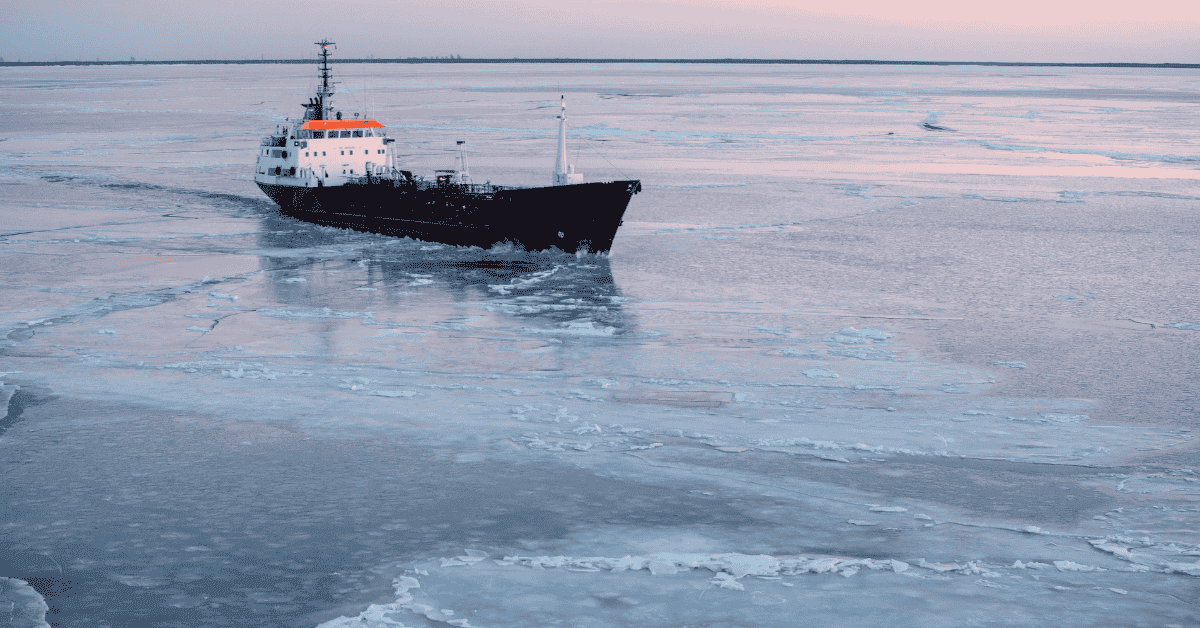
For the first time in years, Denmark’s civil ice-breaking emergency response was activated in Smålandsfarvandet as severe winter conditions froze harbors across the region. The tugboat Valdemar broke through ice to keep vital shipping lanes open to Næstved Harbor, ensuring freight deliveries could continue to ports on Zealand and surrounding islands.
Ice-Breaking Operations Return to Danish Waters
Since the Danish government decommissioned its state-owned icebreakers in 2012, the country has relied on a civilian ice-breaking emergency response managed by the State Ice Service. This system uses commercial shipping companies like Tambour Towage and Svitzer under government contracts. For the first time since this system was established, the ice-breaking emergency response was activated in Smålandsfarvandet during the recent cold snap.
The response covers several critical areas including Limfjorden, waters south of Funen, and Smålandsfarvandet between December 15 and March 31 each year. When activated, shipping companies have just 36 hours to deploy their vessels and begin operations.

Tugboat Valdemar Breaks Through Ice
On Saturday, the tugboat Valdemar from Tambour Towage led ice-breaking operations between Karrebæk and Næstved. The vessel worked methodically to open shipping channels wide enough for freight ships to reach Næstved Harbor. After completing this task, Valdemar headed to Horsens, where the crew was scheduled to break ice early Sunday morning.
The 26-meter-long and 7-meter-wide tugboat normally handles towing operations but is now deployed as an icebreaker. Captain Jens Erik Nielsen navigated the vessel from the wheelhouse, carefully controlling speed and rudder to crack the ice into large floes along the hull.
As a result, the narrow channel in front of Næstved gradually opened. The ship moved back and forth through the passage, widening it enough for larger freight vessels to follow safely.
Working Conditions in Extreme Cold
From his position in the wheelhouse, Captain Nielsen had a clear view of both the ice and the ships docked at the quay. He maneuvered Valdemar using small adjustments to the rudder and throttle. Fortunately, the ice wasn’t particularly thick on this day, measuring around 20 centimeters in most areas.
Captain Nielsen explained that broken-up ice in the shipping channel is much easier to handle than packed ice. He recalled a previous attempt to break through half-meter-thick ice in Limfjorden, which proved so difficult the crew eventually had to abandon the effort.

Life on Board During Ice Operations
When not actively breaking ice, the crew gathered in the mess below deck. This small space served as their dining room, recreation area, and planning center. They ate meals together, watched television, played cards, and discussed the day’s tasks before returning to their shifts.
Machinist Tonny Petersen described the watch schedule as typically six hours on, six hours off. During ice-breaking periods, the crew spent most of the day confined to just a few square meters aboard the vessel.
Below the mess sits the engine room, dominated by the main motor. This Danish-built engine produces approximately 1,000 horsepower. Valdemar is ice-classified with a bow specifically designed for breaking through frozen water. During its initial operations near Nykøbing Falster, the vessel handled ice layers of around 20 centimeters without problems.
Monitoring Winter Conditions
The severe Denmark weather in early February 2026 created widespread disruptions. Snowstorms hit multiple locations, and police advised against unnecessary travel as conditions worsened. These winter patterns are typical in the Baltic Sea region, where ice formation can significantly impede port operations.

Protecting Regional Commerce
According to Tambour Towage, ice-breaking operations ensure that freight can continue moving to and from harbors like Næstved, Nykøbing Falster, and Køge. The company has tugboats stationed at these locations to respond quickly when ice conditions threaten shipping lanes.
Without these operations, large ships would need to find alternative harbors. This would increase transportation costs and extend delivery times for goods destined for businesses and residents across Zealand and the surrounding islands. Meanwhile, the ice-breaking system represents a practical compromise between maintaining year-round port access and managing costs after the retirement of state-owned icebreakers.
Interestingly, this approach mirrors broader changes in Danish maritime safety. Some installations are shifting from manned vessels to advanced land-based monitoring systems with upgraded radar and infrared cameras. Despite that, icebreaking still requires physical intervention that technology alone cannot provide.
Emergency Response Capabilities
The civilian emergency response system demonstrates how Denmark adapted after decommissioning its dedicated icebreaker fleet. By contracting with commercial shipping companies that already operate powerful tugboats, the State Ice Service maintains ice-breaking capability without the expense of purpose-built vessels sitting idle most of the year.
Obviously, this system depends on tugboats that can handle regular commercial work while also meeting ice-classification standards. Valdemar and similar vessels bridge this gap effectively, providing both routine towing services and emergency ice-breaking when needed.
The 36-hour deployment requirement ensures rapid response during sudden cold snaps. Given that ice can form quickly under the right conditions, this timeframe balances operational readiness with the practical challenges of repositioning vessels from their normal duties.
From what observers can tell, the system worked smoothly during this activation. Ships continued reaching Næstved Harbor despite the frozen conditions, and no significant delays in freight delivery were reported. The crew’s experience handling various ice conditions proved valuable, even when facing ice thicknesses that tested the vessel’s capabilities.
Sources and References
The Danish Dream: Denmark Weather – A Guide to the Climate
The Danish Dream: Best Energy Providers in Denmark for Foreigners
TV2: Slæbebåd bryder is for at sikre adgang til havn