A Danish man with a rare nerve disorder requires plasma donations from approximately 500 people each year to stay alive. His story highlights Denmark’s critical shortage of plasma donors, with the country needing 26,000 more donors to achieve self-sufficiency in plasma production.
Sudden Illness Changes Everything
Niels Kvolsbæk, a 57-year-old mason, woke up one September morning in 2024 to frightening symptoms. He couldn’t lift his right leg, experienced tingling in his fingers, and had numbness in his mouth. As someone accustomed to physical aches from his work, he knew this was different.
After extensive testing at Odense University Hospital, doctors diagnosed him with CIDP, a rare disease where his immune system attacks the nerve pathways in his cells. The only treatment that could help was immunoglobulin therapy derived from healthy plasma donors.

A Lifesaving Treatment Requiring Hundreds of Donors
While some patients need only one or a few treatments, Niels requires infusions every four weeks. Each treatment uses plasma from about 48 donors, totaling approximately 500 donors annually to keep his condition manageable.
Without this treatment, he would begin losing muscle mass, develop muscle atrophy, and experience symptoms similar to multiple sclerosis. Eventually, he would lose all physical function. Despite receiving regular treatments through Danish healthcare, he currently operates at only 20 percent of his former capacity, with pain and numbness returning between treatments.

Denmark’s Plasma Shortage
Denmark currently imports half of the plasma used in the country. To become self-sufficient, the nation needs 26,000 additional plasma donors. This shortage affects not just patients like Niels, but also cancer patients whose immune systems have been weakened by chemotherapy and others with immune system disorders.
Plasma contains immunoglobulins, antibodies that the immune system uses to fight infections. These proteins cannot be manufactured artificially and are found only in donated plasma. For patients with compromised immune systems, immunoglobulin treatment can mean the difference between life and death.
What Is Plasma and How Is It Used?
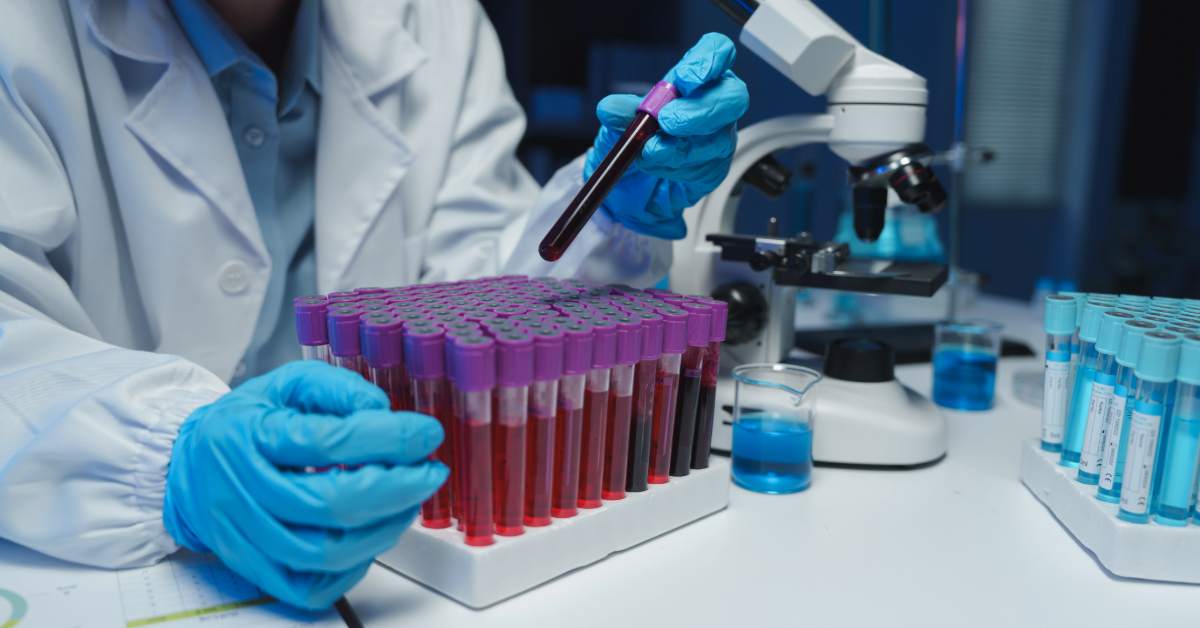
Blood consists of cells, including red blood cells, and a liquid component called plasma. During plasma donation, which takes slightly longer than a regular blood donation, the plasma and blood cells are separated. The blood cells are then returned to the donor’s body.
Plasma is used to produce lifesaving medication for patients with immune system diseases. Immunoglobulin is the protein that makes plasma so valuable, and recipients include cancer patients and those with various immune disorders.

New Plasma Donation Center Opens in Horsens
On January 12, Horsens Hospital inaugurated a new plasma donation center as part of the effort to increase Denmark’s plasma supply. The facility represents an important milestone in achieving national supply security for this critical medical resource.
Helle Qvortrup from Horsens became the center’s first donor. She had been a blood donor for many years and a plasma donor for the past eight years, previously driving to Skejby every two weeks for donations. The new facility makes donation much more convenient for local residents.
Helene Bundgaard Jensen, chief bioanalyst at Horsens Hospital, emphasized the significance of the opening. The facility plays a crucial role in ensuring Denmark can produce lifesaving medication domestically, representing an important step toward self-sufficiency.
Spreading Awareness Through Personal Experience
Despite his limited energy, Niels now dedicates time to sharing his story and raising awareness about the need for plasma donors. His life changed overnight, and he hopes his experience will inspire others to become donors.
He actively shares his journey on social media, hoping to open doors for other patients who desperately need plasma. In fact, many people depend on these donations for survival, and increasing the donor pool remains critical for Denmark’s healthcare system.