Former Danish defense chief criticizes the royal household for downgrading the military’s role at the annual New Year’s receptions, calling the move a worrying sign for national unity.
Military officials no longer central to royal tradition
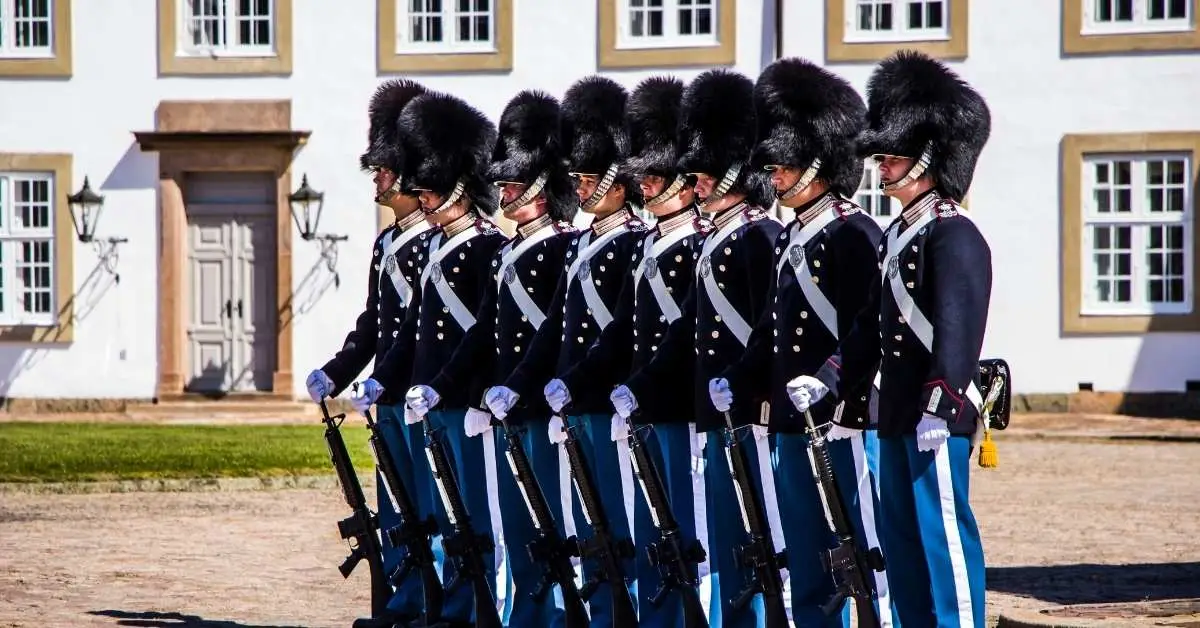
For the first time in decades, Denmark’s royal couple significantly changed the guest list for their traditional New Year’s events. The adjustment has left many in the nation’s defense community feeling sidelined. Hundreds of retired officers were removed from the list, along with the Chief of Defense Staff and the Deputy Chief of Defense.
According to former defense chief Christian Hvidt and defense analyst Peter Ernstved Rasmussen, these changes reflect that the military no longer holds the same importance for the royal family as in previous generations.
As a key symbol of state unity, the monarchy plays a major role in how societal groups are represented. Being invited to the royal couple’s receptions has long been a signal of national recognition and honor.
The royal shift toward “public Denmark”
The royal household stated that this year’s events focused on “public Denmark,” inviting municipal leaders and civil organizations instead of strictly following the traditional hierarchy. Historically, invitations were distributed based on the centuries-old “order of precedence” from 1671, a structure updated over time through royal decrees but now deemed outdated by King Frederik X and Queen Mary.
At the same time, new guests such as youth representatives, charity organizations, and unions were introduced, broadening the spectrum from about 30 to nearly 100 participating groups.
Still, critics argue that the large reduction in military representation sends a poor message—especially at a time when Denmark is increasing its defense investment to meet rising security challenges. The defense community contends that their visibility at the royal events underscores their importance for the kingdom’s survival and morale.
Warnings of reduced pride and recruitment
Hvidt warned that removing the armed forces from a central ceremonial role could weaken motivation among soldiers and harm recruitment efforts. For many, shaking hands with the monarch at Amalienborg Palace has been more than a formality—it has symbolized the personal connection between sovereignty and national defense.
Meanwhile, experts recall that Denmark is actively strengthening its military posture in response to growing global threats and regional instability, as described in initiatives covered by defense investment reports.
Royal modernizers face backlash
Royal commentators note that King Frederik X’s modernization push was expected to face criticism. The aim was to open up the institution to a more diverse range of groups and prevent it from appearing elitist or outdated.
To achieve this, the royal household reduced the number of senior officials and emphasized inclusivity across Danish society. For example, mayors and regional chairpersons were given a dedicated New Year’s reception for the first time, symbolizing a more democratic approach to ceremony.
However, not everyone applauded the reform. Labor unions have also expressed discontent, arguing that business organizations were overrepresented compared to trade unions.
On the other hand, some analysts argue that it is natural for the monarchy to evolve with the times. Maintaining nationwide relevance can require difficult choices, even when they upset traditional hierarchies.
Balancing heritage and modernization
The debate highlights a central tension in Denmark’s constitutional monarchy: how to honor centuries of tradition while staying meaningful in a modern democracy. Critics from the defense sector view this as a break from symbolic ties that reach back generations, while supporters see it as a necessary step for renewal.
Despite the uproar, the royal household has so far declined to comment, letting public interpretation unfold on its own.
As the kingdom continues to navigate global security challenges and domestic expectations, the discussion over representation at royal ceremonies mirrors a broader question about what values modern Denmark wants its institutions to reflect.
Sources and References
The Danish Dream: Does Denmark Have a Monarchy?
The Danish Dream: Denmark Invests in Defence in the Face of Rising Threats
TV2: Tidligere forsvarschef skælder ud på kongehuset