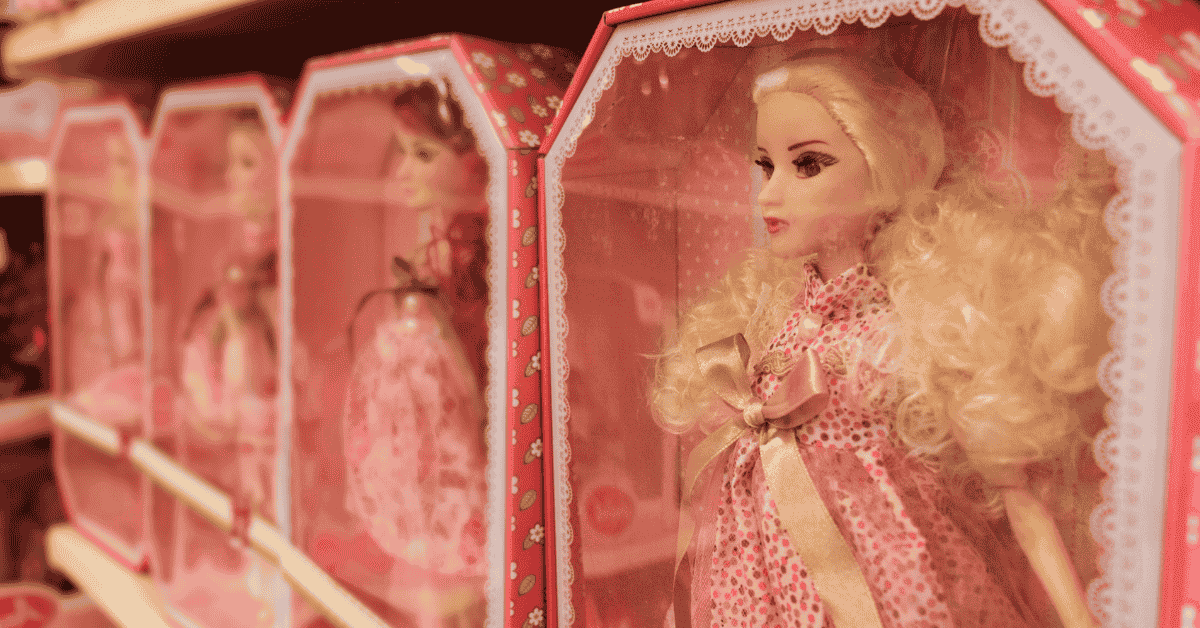
Mattel’s new autistic Barbie is meant to celebrate diversity, but experts warn it risks oversimplifying autism and reinforcing stereotypes.
Mattel Expands Its Inclusive Barbie Line
Mattel has launched another Barbie designed to represent a broader range of human experiences. This time, the American toy company introduced an **autistic Barbie** equipped with a fidget spinner, noise-canceling headphones, and a tablet used for visual communication. Her eyes look slightly sideways, mirroring what some associate with challenges in maintaining direct eye contact.
The doll joins other inclusive Barbies, including versions representing blindness, Down syndrome, and wheelchair users. Mattel stated that this new release is part of a mission to ensure that every child can see themselves reflected in their toys.

A Collaboration With Autism Organizations
To create the doll, Mattel worked with the American organization Autistic Self Advocacy Network. In Denmark, the Autism Association welcomed the initiative as a positive step toward visibility and understanding. The group emphasized how representation can make a difference for children who rarely see themselves mirrored in toys.
Autismeforeningen, as the Danish organization is called, did not help design the doll but supported spreading the message of inclusion. The group hopes this kind of representation can help promote better understanding of neurodiversity, similar to other initiatives improving student well-being at Danish schools.
Features Reflecting Autism
The new doll’s design includes flexible hands and elbows to allow gentle repetitive movements, known as “stimming,” which some autistic people use for sensory regulation. Her clothing is loose to minimize fabric discomfort, and the accessories reflect tools that help navigation through noise or sensory stimulation.
While Mattel’s intention is inclusion, opinions differ about whether a single doll can accurately represent such a wide spectrum of human experiences.

Experts Warn of Unintended Stereotypes
Danish psychologist Ditte Rose Andersen, who specializes in autism and is autistic herself, argues that the challenge lies in portraying what is invisible. Autism is not a visible trait but a deeply individual experience that affects people differently. According to Andersen, representing that reality with a single static figure might reduce complexity into a stereotype.
She points out that while the doll’s averted gaze may symbolize difficulties with eye contact, many autistic individuals do not have that trait. The risk, she warns, is simplifying autism to a few physical cues or assistive devices. This could send the wrong message to children who do not share those features.
It may be easier to represent autism through books, films, or series where characters’ thoughts and emotions provide richer context than a doll’s static expression.
Representation Still Matters
The Danish Autism Association recognizes the doll is far from perfect, yet insists that visible representation remains crucial. Without such efforts, they argue, conversations about invisible disabilities risk fading away. They suggest that it’s better to start somewhere, even with a simplified image, than to let silence reinforce stigma.
Many Danish families have already reached out to the association, expressing excitement that a global brand like Barbie acknowledges neurodiversity. Some say they want the doll not just for their children, but for themselves, as a symbol of pride and acceptance.

A Toy That Sparks Conversation
Beyond representation, the autistic Barbie may open new family conversations about how people perceive and experience the world differently. The Autism Association hopes that it encourages empathy among children and highlights that it is okay to be different.
For some, the doll could be an educational starting point, not a perfect depiction. In Denmark, where understanding of mental health and neurodiversity continues to evolve, such global initiatives connect with ongoing efforts to improve inclusion and mental health awareness, as also discussed in mental health in Denmark for foreigners.
In the end, even a small doll can represent a big step in how society talks about autism and diversity, provided that it comes with open dialogue and curiosity rather than fixed assumptions.
Sources and References
The Danish Dream: Danish Schools See Rise in Student Well‑Being
The Danish Dream: Mental Health in Denmark for Foreigners
DR: Psykolog: Mattel har sat sig selv på en lidt umulig opgave ved at lave ny autistisk Barbie