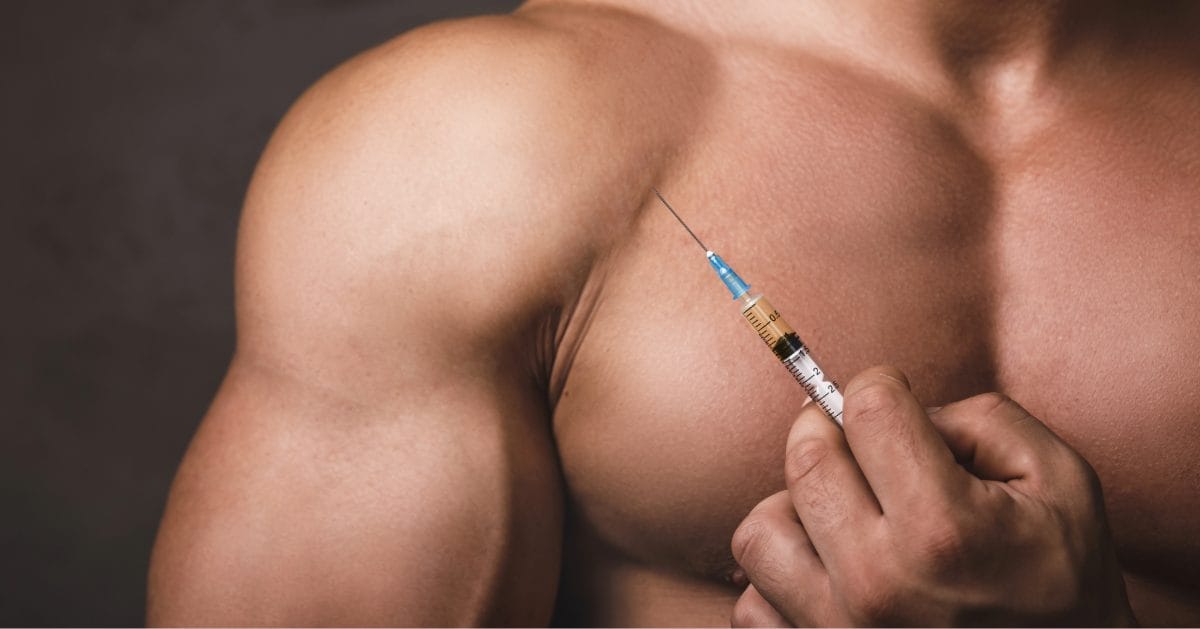
Meta has removed a Danish bodybuilder’s Instagram profile after he used paid ads to share steroid advice, sparking outrage from anti-doping advocates who say the tech giant acted too late. 


Controversial Influencer Promoted Steroid Tips as Sponsored Ads
Fitness influencer and personal trainer Jonathan Bidstrup, known online as Bidstrupfitness, recently found himself at the center of a major public backlash. The Danish bodybuilder, followed by about 20,000 users on Instagram before the account was shut down, openly discussed his own use of steroids and guided followers on how to use them. According to his website, personalized training programs included advice on performance-enhancing drugs, or PEDs. Earlier this year, he even posted a video outlining what to take during a first steroid cycle. The video wasn’t just another post; it was a paid advertisement, boosted through Instagram’s system to reach more users, particularly men over 18. For groups like Anti Doping Denmark, this is deeply problematic. They argue that such sponsored content normalizes doping, especially among young men trying to enter the fitness world. Many already see steroid use as a natural extension of serious training, which raises serious health and social concerns in a country where overall healthcare standards are known for being strong and preventive.Meta Finally Responds After Public Pressure
When Danish media reached out to Meta, the parent company of Instagram, the company confirmed that promoting illegal or harmful substances violates its rules. However, Meta only acted after receiving questions from journalists, and it never explained why the advertisement was approved in the first place. By the time Meta shut down Bidstrup’s profile—five days after being contacted—the damage was already done. Critics argue this exposes significant safety flaws in Meta’s ad approval system. Digital Responsibility Denmark’s director, Ask Hesby Holm, called it a moral failure and possible violation of Danish law. He noted that a platform as large as Meta should not rely on reporters to identify illegal promotions.Doping Risks Downplayed
Experts remind that while some users experience only cosmetic side effects like acne or enlarged breast tissue (known medically as gynecomastia), the health consequences of long-term steroid use can range from mild to life-threatening. Common PEDs include testosterone and anabolic steroids, which carry risks of hormonal imbalance, organ strain, and mental health changes. Bidstrup, for his part, defended his actions. He stated that his goal was transparency—showing what can and cannot be achieved naturally in bodybuilding. He argued that people would continue to use steroids regardless, and that he simply aims to guide them toward safer practices. Despite acknowledging that steroids are harmful, he maintained that discussing the topic openly helps users make informed decisions.Anti Doping Denmark Pushes Back
Anti Doping Denmark strongly disagrees, saying Bidstrup minimizes the dangers and encourages behavior that is both unhealthy and illegal. The organization believes his online presence contributes to misinformation around substances with well-documented side effects. A representative from the organization explained that medical professionals consistently show how steroid abuse can severely impact long-term health. While Bidstrup claims to reach an audience unwilling to listen to public institutions, Anti Doping Denmark insists that offering guidance on illegal substances cannot be justified under any circumstances. Because performance-enhancing drug use affects more than physical appearance—it impacts mental well-being, hormone balance, and long-term organ health—the organization warns that influencers spreading such information are putting followers at risk. This stands in sharp contrast to Denmark’s culture of promoting balanced living and safe training environments for newcomers, including those highlighted in resources like fitness in Denmark for foreigners.A Wider Debate About Fitness Culture and Responsibility
This case sheds light on a growing issue within Denmark’s online fitness community. Social media’s rapid spread of fitness-related advice, often unregulated, makes it difficult to distinguish between expert guidance and risky shortcuts. With more young people idolizing bodybuilders, experts warn that platforms like Instagram must act faster to control misleading or harmful content. In the end, this incident sparked an urgent question: who is responsible when unsafe practices reach the public through paid ads? Meta has since removed Bidstrup’s content, but advocates say the company still owes an explanation—and a stronger commitment to preventing similar cases in the future.Sources and References
The Danish Dream: Is Danish Healthcare Really Worth the Hype? The Danish Dream: Fitness in Denmark for Foreigners DR: Kontroversiel bodybuilder kunne købe reklamer for sin steroideguide hos Instagram