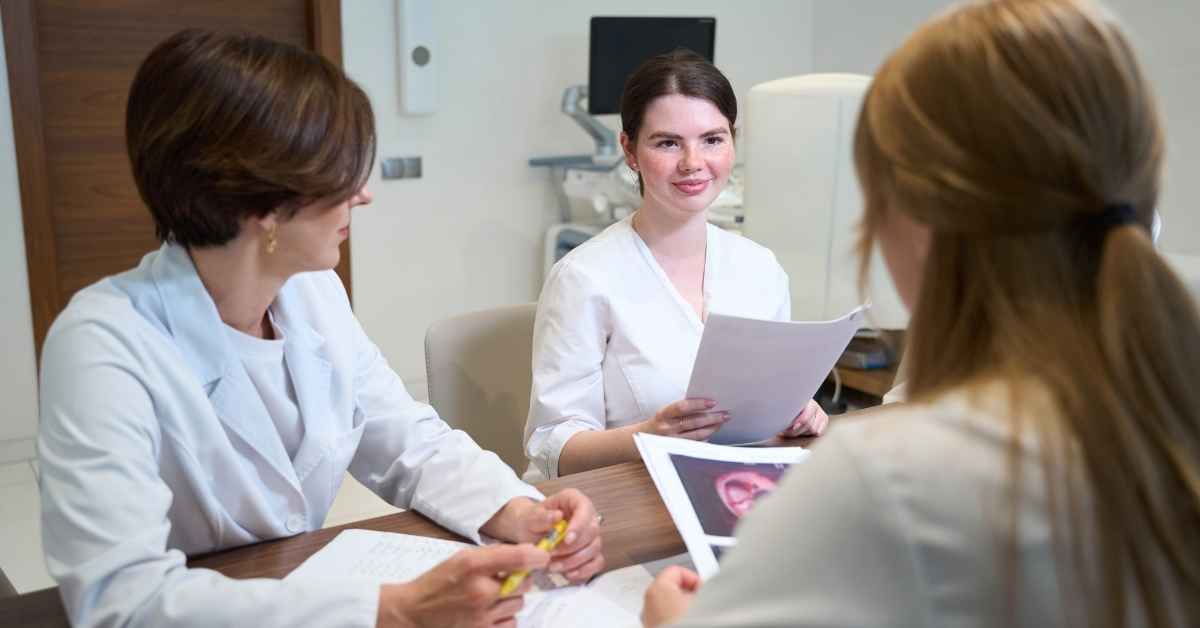
After a shocking mix-up at a Danish fertility clinic, lawmakers demand action from the government as the hospital admits there could be more mistakes dating back to the early 2000s.
Family Discovers Error Two Decades Later
A new documentary has sparked outrage across Denmark after revealing that a fertility error at the Brædstrup clinic may have affected more than one family. The documentary follows Rikke and Søren Nissen, who had twin boys, Frederik and Mathias, through fertility treatment in 2002.
In 2024, one of the twins took a DNA test for fun and discovered that Søren was not his biological father. The discovery led the family to seek answers from the hospital now responsible for the former clinic, Regionshospitalet Horsens.
Hospital Admits Procedures Were Insecure
The hospital confirmed that an error occurred in the family’s treatment and acknowledged that procedures before 2007 were unreliable. However, hospital officials also said they cannot rule out that similar mistakes may have happened to other families treated at the same clinic.
Despite acknowledging the mistake, the hospital has refused to assist the Nissen family further. Officials cite the Danish Health Act, which restricts disclosure of medical information due to confidentiality rules.
As a result, the family is left uncertain about exactly what went wrong and whether other embryos or samples may have been mixed up during the procedure.
Patient Groups Slam the Lack of Transparency
The patient organization Fertilitet & Tab called the situation “terrible” and accused authorities of hiding behind legal technicalities. The group argues that the law prevents families from finding closure and may also stop hospitals from uncovering broader issues within the fertility sector.
Interestingly, similar errors have been investigated in other European countries such as Sweden and the Netherlands. There, authorities conducted DNA testing to determine the full extent of mistakes in past fertility treatments.
Lawmakers Call for Ministerial Action
Several Danish lawmakers now demand the health minister step in. Opposition members in Parliament say that when errors occur in such sensitive procedures, families deserve clarity rather than bureaucracy.
Health spokespersons from both the Danish People’s Party and the Social Democrats have pressured the Ministry of Health to review the case and the law that currently prevents hospitals from investigating on behalf of affected parents.
Health Minister Sophie Løhde agrees that the situation is deeply unfortunate and said she is open to reviewing the legislation to ensure clearer procedures in the future. Løhde also noted that fertility clinics have strengthened their safety standards since 2007, though that brings little comfort to families from earlier cases.
Ethical Dilemmas and Legal Barriers
Regionshospitalet Horsens stands by its decision to follow confidentiality rules. Its medical director explains that only two exceptions allow breaching patient privacy: treatment of a serious illness or criminal investigation. Neither applies to this case, making any further genetic testing on past patients legally complex.
The hospital fears reopening old fertility files could raise profound ethical questions for many families who might discover biological discrepancies they never suspected.
Calls for Clarity in Fertility Procedures
Without a doubt, this incident has renewed attention on reproductive medicine and accountability within the Danish healthcare system. Fertility treatments, once seen purely as a hopeful technological breakthrough, are now facing public pressure for greater transparency and oversight.
Patients’ groups and lawmakers agree on one thing: families affected by medical mistakes must not be left in lifelong uncertainty. The outcome of this case may determine whether Denmark amends its legal framework to better balance privacy protection and the right to truth.
Sources and References
The Danish Dream: Danish Healthcare Explained for Tourists & Expats
The Danish Dream: Health Insurance in Denmark for Foreigners
TV2: Hospital kan ikke udelukke flere fejl på fertilitetsklinik – politikere kræver handling fra minister