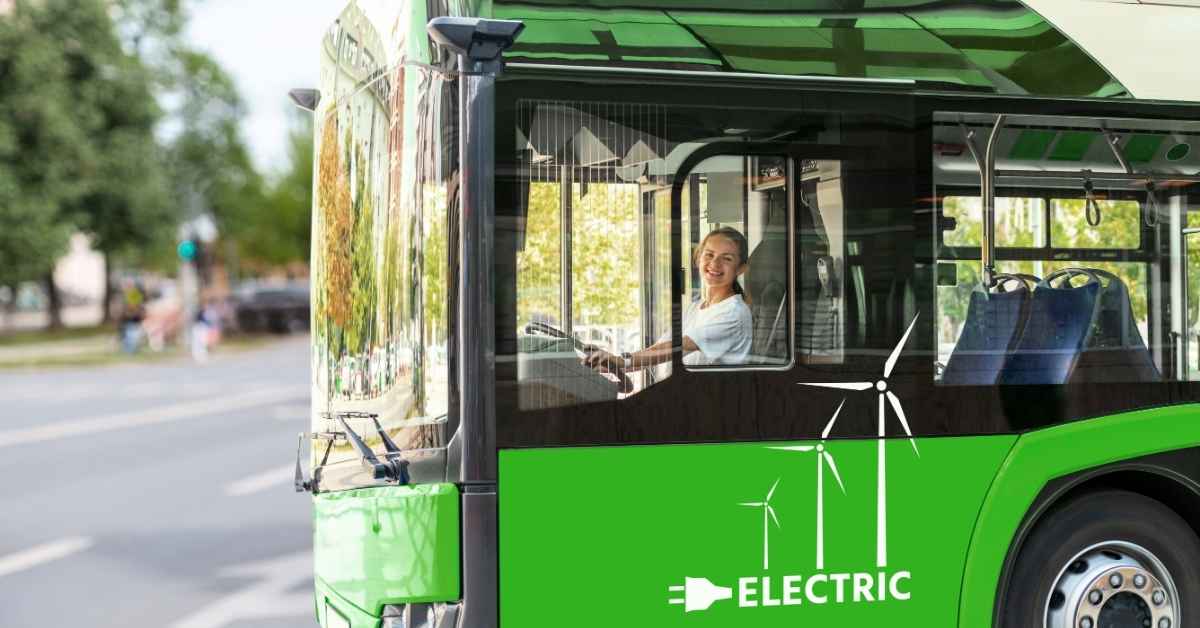
Concerns over security vulnerabilities have surfaced in Denmark as hundreds of Chinese-made electric buses operating in the country could potentially be remotely controlled or shut down from China. Neighboring Sweden and Norway have already taken steps to address this risk.
Danish Public Transport at Risk of Remote Access from China
Investigations in Norway have revealed that electric buses manufactured by the Chinese company Yutong can be remotely powered off by the manufacturer. These findings have caused alarm among security experts and politicians in Denmark, where local transport companies operate a large number of the same electric buses.
Within Denmark’s largest public transport company, Movia, there are currently 262 Yutong buses in operation, with more on the way. These buses are capable of being monitored, updated, and potentially deactivated remotely due to their internet connectivity, raising serious concerns about national security and foreign control over critical infrastructure.
Calls for Stronger National Oversight
Several political voices in Denmark are urging the government to take immediate action to reduce the country’s dependency on Chinese-made technology in the public transport sector. Regional politicians argue that the risk posed by foreign-controlled buses highlights a vulnerability that could be exploited in future geopolitical conflicts or cyberattacks.
Currently, Denmark’s transport procurement system allows regional and municipal governments to fund bus operations, while traffic companies such as Movia issue contracts and private bus operators select vehicle brands based on technical and environmental requirements. This decentralized system has made it difficult to enforce national security standards uniformly.
Experts Want a Ban on Chinese Tech in Public Transit
Experts and policymakers believe that public transportation should be considered critical infrastructure and treated with corresponding cybersecurity caution. Recommendations include banning critical Chinese technology from future procurement processes and developing new tender criteria that exclude high-risk suppliers.
Slow Danish Response Compared to Nordic Neighbors
Unlike Denmark, both Sweden and Norway have already implemented measures to counteract the threats tied to Chinese-made buses. In Stockholm, authorities removed Chinese models from the capital’s public transport fleet in spring 2023. This decision was driven not only by national security concerns but also by ethical issues, including allegations of forced labor in Chinese supply chains linked to bus and battery production.
In Norway, the transportation company Ruter dealt with the remote control issue by removing the SIM cards in the electric buses, thereby severing internet connectivity. While this prevented remote shutdowns, the decision also limited passenger services like real-time bus arrival information. Movia, however, has resisted this solution due to its service implications.
Need for National Cybersecurity Assessment
Politicians in Denmark are demanding an investigation by the Center for Cybersecurity to assess the actual risk posed by Chinese buses operating within the country. They want clarity on whether Denmark faces the same threat as Norway and what technological backdoors might already exist in the operational systems of the buses.
These investigations aim to form the basis for potential policy changes that could include national cybersecurity benchmarks and stricter public procurement rules related to critical infrastructure.
Future of Public Transit Procurement in Denmark
There is mounting political pressure to ensure that future bus tenders in Denmark prevent bids from Chinese manufacturers tied to foreign state control or questionable labor practices. Some regional politicians are already proposing changes to bidding criteria that would exclude certain countries from participating.
This approach, however, must navigate EU trade regulations and Danish procurement laws, requiring a balance between national security and fair competition. Any shift in policy would have to be coordinated at the national level to ensure legal and operational consistency.
With Denmark currently relying heavily on electrification to reduce transport-related emissions, phasing out Chinese electric buses would also have environmental implications. Policymakers now face the challenge of transitioning to a more secure yet still sustainable and cost-effective bus fleet.
As Denmark works to catch up with its Nordic neighbors in strengthening transportation security, discussions on balancing open procurement with national interest are likely to intensify. The steps taken in the coming months could ultimately shape the future of public mobility across the country.