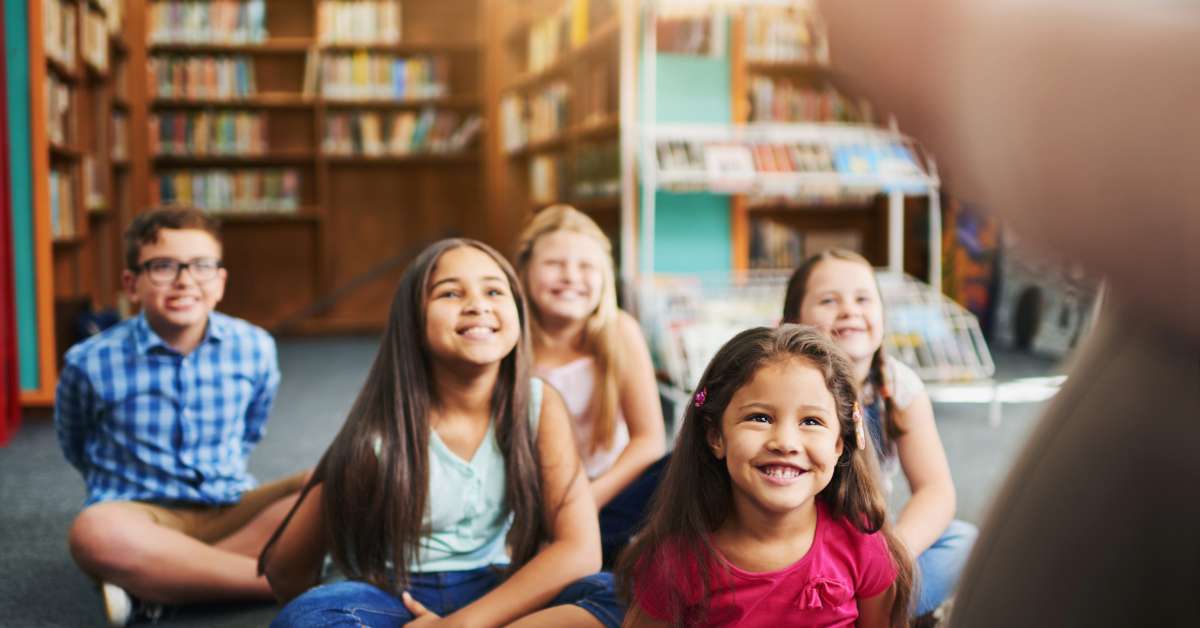
Libraries across Denmark are turning into polling stations as the 2025 Children’s Election opens, inviting kids to vote for their favorite storybook characters. The initiative aims to teach children the value of democracy in Denmark in a fun and engaging way.
A Democratic Experience for Young Readers
All over Denmark, libraries are welcoming young voters this week as the fourth edition of the national “Børnevalget” (Children’s Election) kicks off. Organized by the Danish Library Association, the event is designed to engage children aged 3 to 12 in the principles of democratic participation. Instead of casting votes for politicians, children vote for their favorite characters from popular Danish children’s books. It’s a fun way for kids to learn about democracy in Denmark.

The election includes a ballot of ten fictional characters, each featured on campaign posters complete with slogans, mimicking the aesthetics and strategies of real-world political campaigns. The idea is to familiarize children with both the process and power of voting, giving them a fun exercise in civic engagement. The posters help kids understand how democracy in Denmark works.
Voting Based on Stories and Imagination
At a local library in Viborg, children from the Viborg Private Realskole were given the chance to experience voting firsthand. Among them was 8-year-old Kirsten Ginnerup, who enthusiastically cast her vote for Anton and his adventurous grandmother, a well-loved duo from a series written by Thomas Brunstrøm. The books follow the wild adventures of Anton and his eccentric grandmother, including one where they dive into a deep-sea quest for a lost ring.
Her classmate, Nynne My Søndergaard Jacobsen, also voted for the same characters, reinforcing that storytelling is a powerful influence in shaping young imaginations. Meanwhile, another student, Oliver Hansen, showed his support for “Møgmis,” the troublemaking cat from a series of books about a teenage boy named Sivert.
In total, over 80 libraries across Denmark are participating in the initiative, and thousands of children are expected to take part. This year’s list of candidates includes characters from both new and classic Danish literature. Each character campaign includes visual posters and voting materials styled to resemble actual political advertisements.
Teaching Democracy Through Play
According to Sofie Berggreen, a children’s culture facilitator at Viborg Library, the primary goal of the event is to show young citizens that their voice matters, even if only symbolically for now. By simulating a real-life voting experience, the Children’s Election lays a conceptual foundation for civic responsibility.
For many families and schools, Børnevalget also opens up opportunities to have broader conversations about democracy, citizenship, and why adults vote in municipal, national, and European elections. It serves as an educational entry point to talk about complex issues like representation and decision-making in terms that resonate with children.
This type of event aligns with the nationwide strategy in Denmark to emphasize early civic education. Danish schools frequently incorporate lessons on democracy in Denmark, even in the early elementary grades, and programs like the Children’s Election reinforce those lessons in a lively and interactive setting.
Previous Winners and Growing Popularity
Since its inception in 2017, the Children’s Election has become increasingly popular with both schools and libraries. In 2021, more than 30,000 children participated. As the initiative enters its fourth cycle in 2025, organizers hope to surpass previous participation numbers.
Past winners include fan-favorite characters such as Ternet Ninja and Eddie, underscoring the deep connection many Danish children have with homegrown literature. Ternet Ninja, for instance, is a ninja doll brought to life in a book series by author and comedian Anders Matthesen, which has also been adapted into animated films.

The voting period typically runs for several weeks, giving schools and families plenty of time to organize visits to libraries and take part in activities related to the election. While the votes may not directly influence political decisions, they serve as powerful tools for engagement and storytelling.
By allowing children to cast their own votes in a setting that mimics real elections, the Children’s Election provides a safe and meaningful way to introduce them to the importance of participating in a democratic society. As the event continues to grow, it not only fosters a lifelong appreciation for literature but also plants the seeds of civic responsibility in Denmark’s youngest citizens.