A stream in southern Denmark has suffered catastrophic environmental damage due to agricultural pollution, wiping out nearly all aquatic life. A local volunteer blames the municipality for inaction, while officials say they did what they could.
Massive Fish Kill in Danish Stream
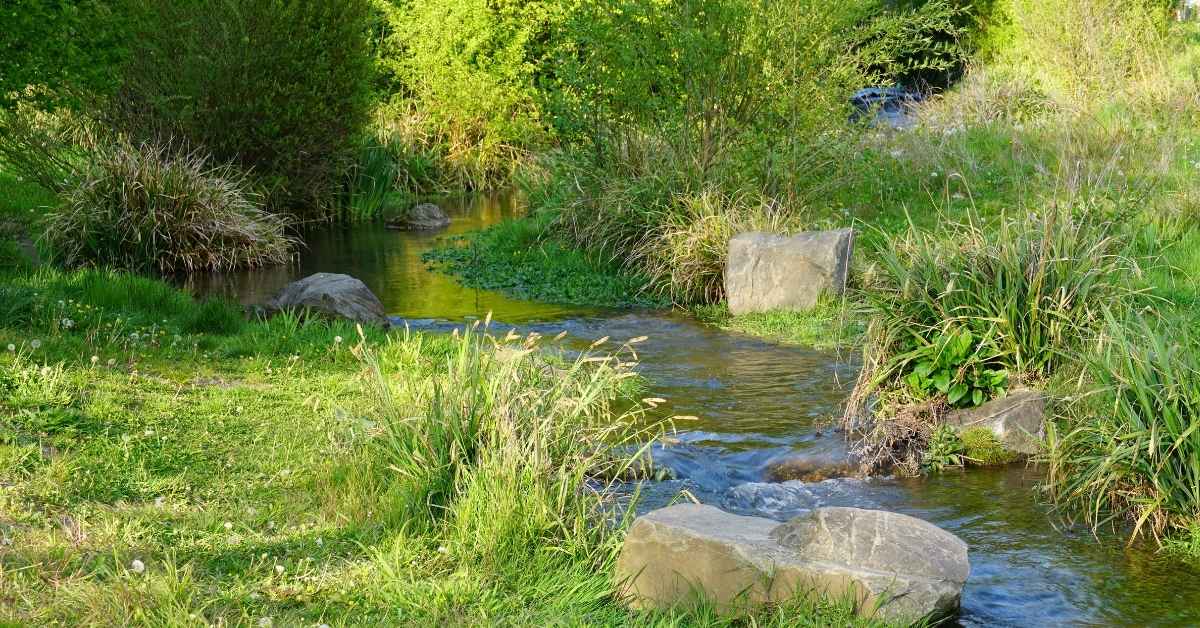
A serious environmental incident has left the Rojbøl Bæk stream in southern Jutland virtually lifeless after a leak of ensilage liquid-highly toxic waste from fermented livestock feed – entered the water. The pollution, discovered earlier this week, has resulted in the death of fish and invertebrates along a significant stretch of the stream.
Thomas Bojsen, a local volunteer engaged in the preservation of the Ribe River system, discovered the damage Tuesday morning. The sight was grim: dead fish scattered throughout the stream and no signs of insect life. According to field observations, the contamination affected approximately three miles of the watercourse between the Danish towns of Rødding and Jels.
Volunteer Sounds the Alarm
Bojsen received a tip-off from a concerned local and rushed to the site. One of the first to assess the damage, he found the water discolored and the ecosystem devastated. Among the casualties were species of trout and salmon, a significant loss given the area is known for its thriving populations of both. Rojbøl Bæk is regarded as one of the Ribe River system’s most productive breeding grounds for sea trout and Atlantic salmon.

The destruction horrified Bojsen, who has spent countless hours restoring and maintaining the stream as a healthy habitat for fish and aquatic invertebrates. He described the incident as a “total wipe-out” of the stream’s ecosystem.
Municipality Acknowledges Incident but Denies Negligence
Responsibility for environmental oversight of the stream lies with Vejen Municipality, which has defended its actions. Sally Huntingford, head of the municipality’s Technical and Environmental Department, said the contamination originated from a local farm after a clogged drain failed. She emphasized that previous inspections of the farm gave no indication of problems.
Municipal officials detected the discharge Monday and quickly traced it to the source. Once identified, steps were taken to stop the leak. However, by the time authorities intervened, the damage had already progressed downstream.

Huntingford admitted that the situation presented challenges, as the pollution had already reached an advanced stage. She said while the ideal solution would be to contain and extract the liquid waste, the team judged that such actions would not meaningfully reduce the damage already inflicted.
Criticism of Municipal Response
Despite the municipality’s account, Bojsen was highly critical of how the situation was handled. He believes local authorities failed to act with the urgency required and were too slow in deploying barriers or attempting to pump out contaminated water. According to him, no visible efforts were made on-site to contain the damage after the leak had been discovered.
Bojsen fears that the long-term effect on fish populations could be severe. With the spawning season underway, fish larvae hatched this spring may lack sufficient food due to the collapse of the insect population.

According to field data from similar incidents in Denmark, the recovery of aquatic habitats impacted by ensilage leaks can take up to five years. In some previous cases, fish stocks dropped by over 80 percent during the first year following contamination.
A Fragile Ecosystem Under Threat
The Ribe River system is one of Denmark’s ecologically and economically significant water systems. Anglers travel from across Europe to fish in its streams, contributing to local tourism and conservation funding. Rojbøl Bæk, in particular, has been subject to restoration projects designed to reintroduce spawning gravel and remove barriers to fish migration.
Experts now worry that this incident could undo years of environmental progress in the region. With the aquatic insect population devastated and fish breeding areas polluted, natural regeneration will be slow and heavily dependent on future conservation efforts.
Local volunteers like Bojsen are pushing for better preventative measures and quicker institutional response times. The hope is that this environmental disaster will act as a wake-up call for tighter controls around agricultural run-off and improved emergency handling by local municipalities in Denmark.