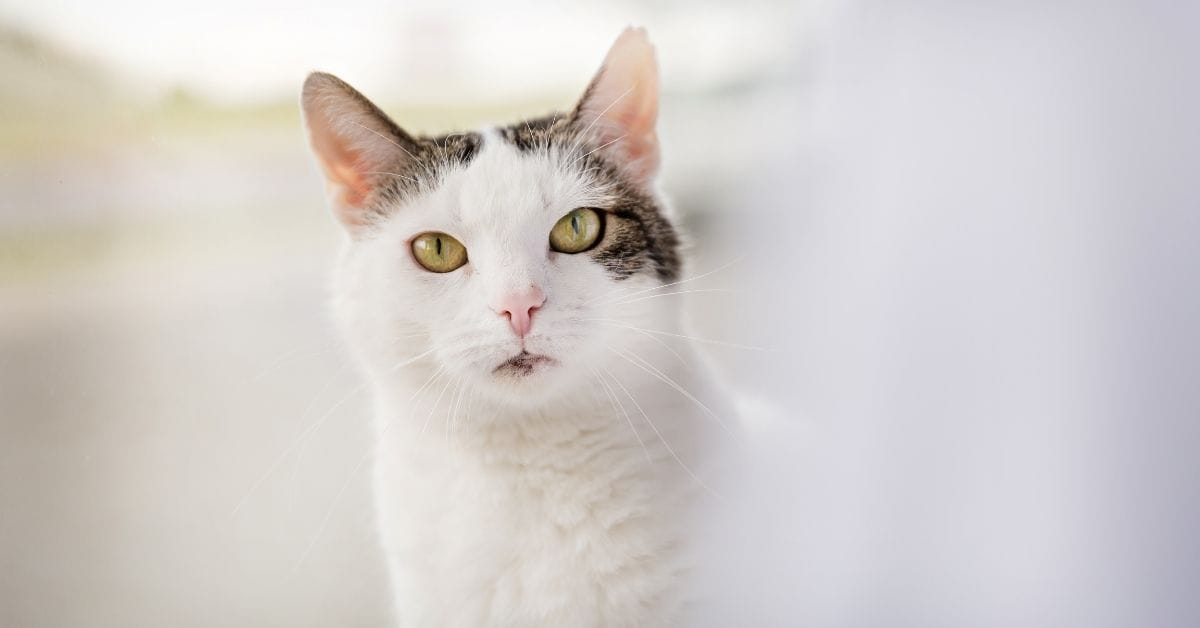
Cats occasionally bite or scratch during affection, a behavior that can surprise owners but stems from natural feline instincts. Recognizing early warning signs can help prevent injury and improve relationships with pets.
Why Cats Sometimes Bite During Petting
Many cat owners have experienced moments where a pet seemingly out of nowhere turns into a bite or a scratching spree. This behavior is common and not necessarily a sign of aggression – it’s a natural instinct for cats.
Experts from Agria Dyreforsikring, a leading Danish pet insurance company, explain that a cat may react aggressively even during peaceful moments out of overstimulation or discomfort. Some cats may lie on your lap and present their belly, which appears as an invitation to pet. However, if they suddenly remember a past negative experience or simply reach their personal threshold, they might bite or scratch as a defense mechanism.
Understanding Feline Signals
To prevent these misunderstandings, it is critical to recognize the subtle warning signs cats give before attacking. Key indicators include:
- Tail flicking or lashing
- Ears pinned back
- Eyes wide open with dilated pupils
Once a cat starts swishing its tail while being petted, it’s often just a matter of moments before a bite may occur. Recognizing this and giving the cat space can prevent further escalation.
Kitten Socialization is Key
Early experiences play a significant role in shaping a cat’s comfort with humans. If kittens are not exposed to human handling during the first critical weeks of life, they could carry a lifelong mistrust toward people. Similarly, if kittens are handled roughly or unpredictably – especially by young children – they may become defensive or anxious in similar situations later in life.

It is essential for prospective cat owners to ensure that any kitten they adopt has been socialized well and comes from an environment where it had regular, gentle contact with humans.
How to Respond to a Bite
If a cat does bite, the best response is to remain calm and still. Pulling away quickly can cause deep scratches or further provoke the cat. Usually, if the bitten hand or finger remains still, the cat will release it after a moment.
Parents are encouraged to supervise all interactions between children and cats and to teach children how to identify when a cat wants to be left alone. A simple rule is: if the cat starts wagging or beating its tail, it’s time to stop petting.
Training Cats and Educating Children
Cats can be taught not to bite, particularly when training starts early. If a kitten bites during play, the owner should make a brief, high-pitched noise and completely withdraw attention – standing up and walking away can be an effective form of discipline.

Reinforcing good behavior by providing treats or attention when the kitten remains calm and gentle encourages better habits. Additionally, it’s important to avoid holding cats against their will. Most cats dislike being restrained, and frequent forced cuddles can make them more avoidant over time.
Children, in particular, should be taught not to lift or carry cats unless the animal is comfortable with it. Practicing respectful handling from the day a kitten enters the home helps ensure a peaceful long-term relationship.
The Medical Risks of Cat Bites
Although bites from cats are not especially common, they can pose a serious health risk if they occur. Cat teeth are sharp and can puncture the skin deeply, creating narrow wounds where bacteria thrive. Approximately 50% of all cat bites become infected, especially bites on hands and fingers due to high concentrations of joints and tendons.

One specific concern is tetanus, a rare but serious infection caused by Clostridium tetani bacteria. While cat bites are not more likely than other wounds to cause tetanus, the depth and shape of the bites can provide an ideal environment for bacteria to develop. Tetanus vaccination is recommended if the skin is broken and the recipient is not up to date on their immunization status.
About Agria Dyreforsikring
Agria Dyreforsikring has over 130 years of experience in pet insurance and provides tailored coverage for cats, dogs, horses, and small animals in Denmark and across Europe. Most of its employees are pet owners, which helps maintain a strong focus on animal health and welfare. The company works closely with veterinarians and breeders and also supports research into veterinary medicine.
By offering insurance and behavioral education resources, Agria aims to strengthen the bond between people and their pets while minimizing risk and promoting well-being.