Despite clear guidelines from authorities, only 4 in 10 citizens have prepared a basic emergency supply kit in case of Danish emergencies. This is raising concerns about the nation’s readiness amid growing global and domestic risks.
Lack of Emergency Supplies in Most Danish Households
More than a year after Danish authorities urged all citizens to create a home emergency supply that could sustain their household for 72 hours without electricity, internet, or running water, a new survey reveals concerning figures. According to data collected by research firm Norstat on behalf of the Danish Grocers’ Association (DSK), only 40% of Danish households have acted on this important recommendation. Many people say they plan to prepare, but just haven’t done it yet.
This finding highlights a large gap between public awareness and actual preparedness, leaving six out of ten households vulnerable in the event of a national emergency. Experts warn that in future Danish Emergencies, even short outages could turn into something serious if households aren’t prepared with basic supplies.
High Awareness of Danish Emergencies, Yet Low Action
The public campaign launched by Danish authorities has successfully reached a broad audience. The survey indicates that 95% of Danes are at least somewhat aware of the official emergency preparedness recommendations. However, awareness has not translated into sufficient action. Although the number of households with an emergency supply has slightly increased since last year, the majority are still not prepared to deal with emergencies, such as power outages, cyber disruptions, natural disasters, or geo-political conflicts.
The urgency of the issue is growing, with Europe facing increased threats ranging from extreme weather events to digital infrastructure attacks. Emergency planning is no longer a distant consideration but a vital part of national resilience.
Public Skepticism Toward Emergency Preparedness
The survey also reveals a key cultural challenge: skepticism. Around 30% of Danes believe that prepping and building an emergency stockpile is unnecessary. This disbelief risks weakening the overall readiness of the Danish population. A lack of individual preparation directly affects the country’s collective resilience and its ability to recover quickly following a major disruption.
Such views are in stark contrast to trends in other Scandinavian countries like Sweden and Norway, where similar campaigns have been met with higher adoption rates.
What’s in the Emergency Kits—And What’s Missing
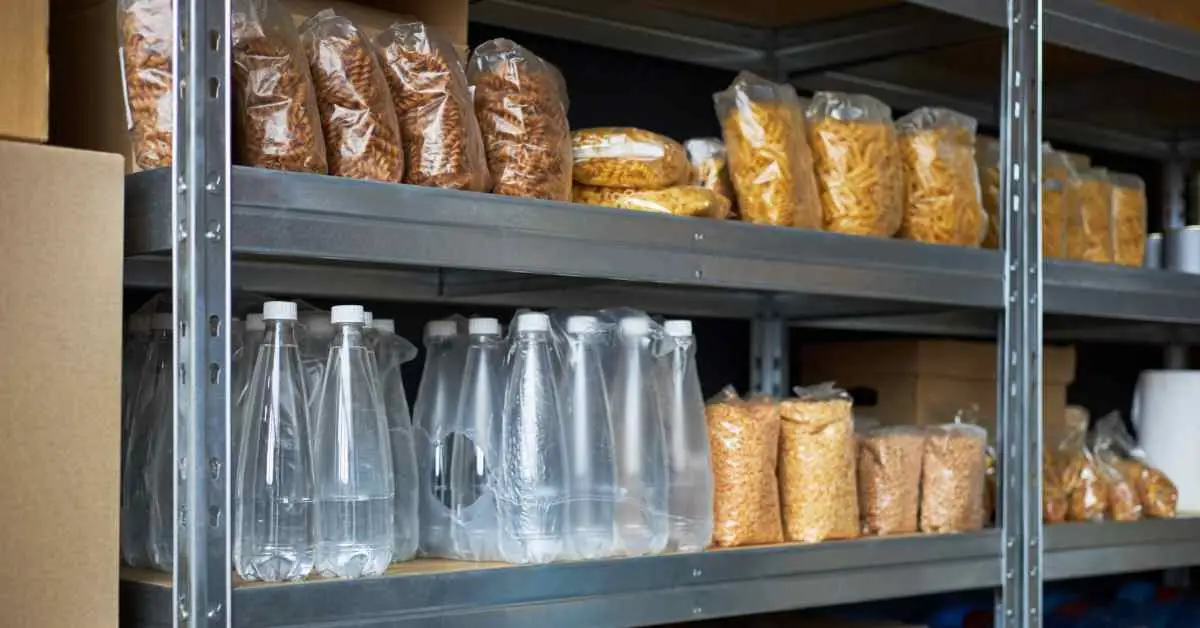
Among Danish households that are prepared for Danish emergencies, food staples dominate. Roughly 74% include dry goods like rice and pasta, while 65% have bottled water, and 55% keep batteries. Other increasingly common items include power banks and candles.
However, there’s still a concerning lack of some essentials. Few households stock first aid kits, cash, or printed copies of important documents—items considered essential in emergencies that disrupt digital access or impair healthcare systems.
This incomplete preparedness suggests that even among those who have taken action, further guidance is needed to ensure emergency kits are truly comprehensive and functional under crisis conditions.
Grocers Positioned as Key Players
According to DSK, the vast majority of recommended emergency items are available at regular grocery and convenience stores. This positions the retail sector as a crucial player in Denmark’s national readiness strategy.
The organization is urging both retailers and authorities to step up collaboration, ensuring that emergency items are consistently stocked and that store employees are equipped to guide customers looking to prepare. Clear labeling, public displays, and information campaigns within stores could help drive behavioral change.
Call for a Renewed National Campaign
To address the shortfall in preparedness, DSK is calling on the government to launch a renewed, nationwide information campaign on emergency readiness. The association emphasizes that this campaign must be aligned with retailers to ensure that the message not only reaches Danish households, but also leads to action.
Key themes should include reflecting real-life conditions in stores, offering practical step-by-step guidance, and ensuring item availability. The campaign needs to build credibility and reduce skepticism by focusing on educational messaging, rather than fear-based approach.
Official Recommendations
As a reminder, the Danish Emergency Management Agency recommends that each household has supplies to last three days, including:
– Three liters of water per person per day
– Non-perishable food items
– Alternative heat and electricity sources
– Basic hygiene and first aid equipment
These steps are designed not only to help individual families but also to ease pressure on public systems during widespread crises.
Conclusion
Though most Danes are aware of the importance of emergency preparedness, significant gaps remain in actual behavior. With only 40% of households having even a basic emergency supply, Denmark faces a shortfall in resilience. Given the rising threat landscape, experts and industry leaders agree: action must be taken now—to inform, encourage, and equip citizens to protect themselves and their communities in times of crisis.