


Moving to Denmark is often a dream come true — the clean streets, the efficient public services, the high standard of living, and of course, the famous Danish hygge. But once the excitement of relocation starts to wane, the practicalities of everyday life kick in. One of the first and most frequent challenges that expats in Denmark face? Buying groceries. What seems like a simple task quickly becomes complicated when you’re suddenly navigating unfamiliar products, foreign labels, price discrepancies, and vastly different shopping habits. So you need the best grocery stores in Denmark for foreigners.
Here are the key points for the best grocery stores in Denmark for foreigners:
- Foreigners in Denmark often find grocery shopping challenging due to language barriers, unfamiliar product labeling, cultural dietary needs, and pricing differences.
- Grocery stores in Denmark vary widely in their product offerings, international selection, and availability of services such as online shopping or English-language interfaces.
- Online grocery services like nemlig.com and BilkaToGo are very popular among expats for convenience and accessibility.
- Discount chains like Rema 1000, Netto, and Lidl offer affordable basics, while chains like Føtex and SuperBrugsen provide a balance of quality and price.
- Specialty international stores are essential for sourcing cultural ingredients, halal/kosher products, and ethnic cuisines.
Find the Best Grocery Stores in Denmark for Foreigners
You don’t have to read to the end to know what the right grocery store for you is. We have gathered a collection of essential links to online services that can help you find the best grocery stores in Denmark for foreigners.
Why Grocery Shopping in Denmark Can Be a Real Challenge for Foreigners
The Language Barrier is a Real Concern
In Denmark, while many people do speak English, the majority of grocery packaging, signage, and promotional material is in Danish. This can make even simple purchases — like distinguishing between sour cream and yogurt — surprisingly difficult. Allergens, nutritional specifics, and expiry dates may not always be intelligible to someone unfamiliar with the language.
Some stores have started to introduce multilingual labels, particularly in urban areas such as Copenhagen and Aarhus, but these are not yet widespread. Foreign students, professionals, and families who rely on clear product information for dietary, ethical, or religious reasons may find themselves overwhelmed.
Lack of Familiar Brands and Products
Coming from abroad, you may instantly begin to crave the flavors of home — whether it’s a specific spice, a type of rice, or even your favorite brand of instant noodles or cereal. Unfortunately, many of Denmark’s traditional grocery stores don’t carry a wide variety of international goods. While some major chains do offer “international aisles,” the selection is often small and inconsistent, especially outside of major cities.
It’s not just about taste either. For many, it’s about cultural and dietary necessities. Halal meat, kosher options, vegan-certified products, gluten-free alternatives — these can be hard to find unless you know exactly where to look.
Prices Vary Dramatically Depending on Where You Shop
It’s no secret: groceries in Denmark can be expensive. But they really don’t have to be. Choosing the right store can make a significant difference. For example, shopping at budget-friendly stores like Rema 1000 can be up to 30% cheaper than shopping in upscale stores like Irma or Meny. But lower prices can also mean fewer international products or hard-to-navigate store layouts.
This price variation makes it essential for expats to know not just where to shop, but for what items — for instance, buy fresh produce from chains like Netto, but go to specialty foreign grocery stores for spices or pantry essentials from your home country.
Online Grocery Shopping Isn’t Always Foreigner-Friendly
While online grocery retail is growing in Denmark with a 15% year-on-year increase in digital sales (according to Retail Institute Scandinavia), many websites are still exclusively in Danish. This presents a barrier for non-Danish speakers who may want to use online ordering and home delivery — especially busy professionals, parents, or those living in more remote regions.
Furthermore, delivery options aren’t always nationwide — some platforms only deliver to urban areas. Add to this the occasional need for a NemID/MitID to make purchases or verify identities, and the whole process can be a tough nut to crack for someone less integrated into local digital infrastructure.
How the Right Grocery Store Can Change Your Everyday Life
Imagine walking into a supermarket and easily finding products labeled in English, aisles sorted by international categories, fair pricing, and friendly staff who can help explain what “mælk uden laktose” means. Now imagine being able to shop online with English interface options and either receive home delivery or pick up your groceries in-store — all without stress.
Best Grocery Stores in Denmark for Foreigners
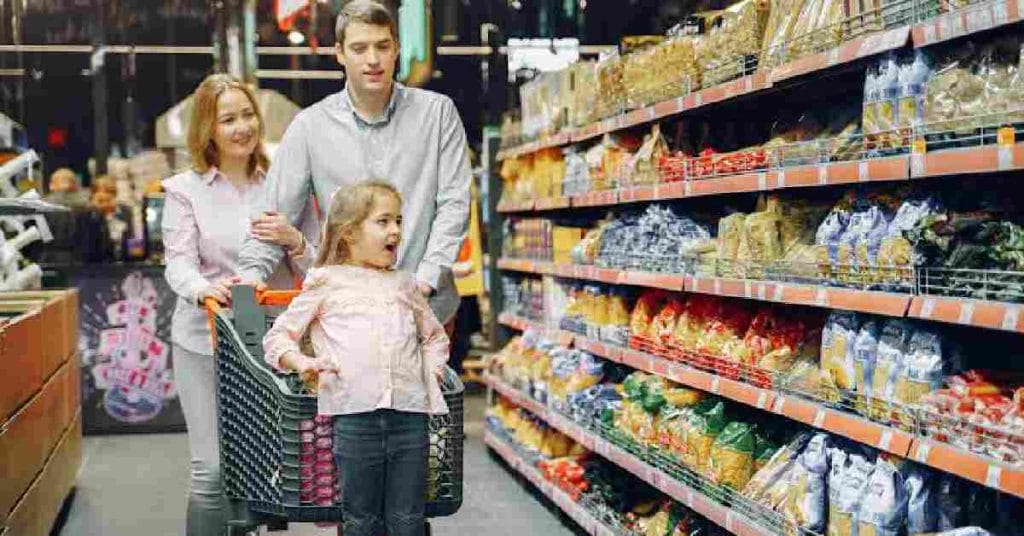
Shopping for groceries as a foreigner in Denmark doesn’t have to be overwhelming. Once you know which services cater to international tastes, offer English-language support, and maintain transparent pricing, your weekly shopping routine becomes much smoother. However, there are several practical considerations to keep in mind when choosing where and how to shop.
What to Know Before Buying from the Best Grocery Stores in Denmark for Foreigners
1. Opening Hours and Sunday Shopping
Unlike some countries where supermarkets are open 24/7, most Danish grocery stores operate with limited hours. Typically, shops are open from 8 AM to 8 PM on weekdays, and shorter hours on weekends. While larger cities offer a bit more flexibility, it’s common for smaller town stores to be closed entirely on Sundays or have restricted opening hours under “søndagsåbent” laws.
This becomes especially important if you rely on weekend shopping. Some expat-friendly services like BilkaToGo and nemlig.com operate deliveries on Sundays, which can be a game-changer for busy families or professionals.
2. BRING YOUR OWN BAGS — Sustainability is Serious Business
Denmark is a leader in sustainability, and that’s reflected in its approach to grocery shopping. You’ll be expected to bring your own reusable bags, basket, or trolley. Plastic bags are not free; they usually cost around DKK 3 to 4 each, and some stores no longer offer them at all. These small but cumulative costs can add up over time and are important to plan for.
3. Payment Methods and Membership Apps
Nearly all grocery stores in Denmark accept international credit cards and mobile payment apps (like MobilePay), but some budget chains such as Lidl occasionally offer self-service kiosks or express checkouts that may only accept Danish cards. Becoming a member via a store’s mobile app can also give you rewards, cash-back deals, and access to member-only discounts. Chains like Coop and Føtex have robust apps that even include personalized offers.
Using store apps doesn’t just reduce your grocery bill — it also helps you understand weekly sales, flyers, and seasonal deals, which are usually in Danish but sometimes have English versions in urban locations.
4. Grocery Categories Vary Across Stores
It’s important to understand what each grocery store chain specializes in. Some focus on value and basics, while others lean into specialty products or international selections. Most foreigners combine a few favorites: one “everyday” grocery store, one online service, and one specialty store for imported ingredients.
Top 7 Grocery Services and Companies in Denmark for Foreigners
Here is a rundown of the best and most foreigner-friendly grocery options in Denmark that successfully cater to different needs — whether you’re after convenience, international products, low prices, or high-quality produce.
1. nemlig.com
If you’re looking for a fully online experience available in English, nemlig.com is arguably the best grocery service in Denmark. Their platform offers everything from fresh produce to cleaning supplies, all available through a sleek, translated online interface. You can filter products by dietary needs such as gluten-free, organic, or vegetarian, making it ideal for people with allergies or specific cultural dietary restrictions.
Why it’s great for foreigners:
– Available in English
– Nationwide delivery in major cities
– Offers international brands and ethnic products
– Recurring orders and easy reordering
– Delivery tracking and specific time windows
2. Bilka / BilkaToGo
Bilka is part of the Salling Group and is known for its large-scale hypermarkets with a range of over 50,000 products. For those who live outside of Copenhagen but still want the convenience of online grocery shopping, BilkaToGo is ideal. You order online and pick up your groceries in-store or have them delivered in select locations.
Why it’s great for foreigners:
– Well-stocked international products
– Offers both discount and premium ranges
– English support through shopping guides and apps
– Great non-food section (electronics, clothing, etc.)
3. Føtex
Another member of the Salling Group, Føtex strikes an excellent balance between quality and price. Stores are typically well-organized with clear labeling, and their app often has English support. Urban Føtex locations — particularly in cities like Aalborg and Aarhus — carry a decent range of international products.
Why it’s great for foreigners:
– Clean, organized shopping experience
– Quality fresh produce and meat counters
– Great own-brand product line Føtex ØKO (organic)
– Offers MobilePay and app-based discounts
4. SuperBrugsen
SuperBrugsen is part of the Coop Group and is a household name in Denmark. While slightly more expensive than budget chains, it offers extensive organic options and a community-driven approach. Coop members receive special discounts, and their app helps navigate deals and recipes.
Why it’s great for foreigners:
– Extensive fresh and organic product lines
– Accessible Coop loyalty program
– Some stores carry niche international products
– Sustainable practices and responsible sourcing
5. Rema 1000
Rema 1000 is a Norwegian chain with strong roots in Denmark. It offers some of the most competitive prices, especially for essential staples, snacks, beverages, and dairy. However, product choices are somewhat limited, focusing on essentials rather than international diversity.
Why it’s great for foreigners:
– Fantastic for everyday and budget shopping
– High-quality private label items
– Quick in-and-out shopping
– Useful app with digital coupons
6. Netto
As one of Denmark’s most widespread discount supermarkets, Netto is ideal for students or anyone sticking to a budget. While primarily Danish in its branding, several larger stores have begun offering an “international foods” section. They’re also open longer than many other chains, which is practical for shift workers.
Why it’s great for foreigners:
– Often the lowest prices
– Many stores located near schools, universities, or transit
– No-frills but highly efficient shopping
– Regular weekly specials
7. International Specialty Stores (Kiosk Bazaar, Bazaren, Eastern Europe Foods, etc.)
If you’re looking for halal meat, Jamaican pepper sauce, Thai green curry paste, Indian lentils, or Polish dumplings, Denmark has a strong niche market of international food stores. These are not typically chains, but small to mid-sized stores located in multicultural neighborhoods such as Nørrebro (Copenhagen), Vollsmose (Odense), and Gellerup (Aarhus).
Why it’s great for foreigners:
– Brands and ingredients from over 40 countries
– Personal service and staff who often speak English
– Focused on cultural staples like spices, sauces, and grains
– Good prices on bulk products
Related Services Foreigners in Denmark Might Also Find Useful
Once you’ve found your go-to grocery store, it’s time to explore other services that will help improve your day-to-day life in Denmark. Many of these services complement your grocery routine and make living in Denmark more enjoyable — particularly if you’re a newcomer still adjusting to everyday norms.
Here are some relevant service categories that complement grocery shopping for foreigners in Denmark:
1. Food delivery platforms (like Wolt and Just Eat)
2. Home cooking kits (like RetNemt or Aarstiderne)
3. Kitchen appliance rentals (such as Lejdet.dk or BOSSCopenhagen)
4. Moving and relocation services for setting up your kitchen essentials
5. Online pharmacies and wellness stores for dietary supplements and health products
6. Translation and language learning services to better understand food labels and recipes
Conclusion: Best Grocery Stores in Denmark for Foreigners
Finding the best grocery stores in Denmark as a foreigner requires some trial and error, but the payoff is well worth the effort. From budget-friendly essentials to rare international ingredients, the Danish grocery market is more diverse and accessible than it may seem at first.
Whether you’re whipping up a dish from home, looking for affordable organic produce, or just trying to make your daily life simpler and more structured, grocery services in Denmark have evolved to meet the needs of an increasingly international population. The key is knowing where to look — and now you do.
FAQs: Best Grocery Stores in Denmark for Foreigners
1. Are there English-language grocery stores or websites in Denmark?
Yes. Online platforms like nemlig.com and BilkaToGo offer English-language interfaces. Some apps from chains like Føtex and Coop also include limited English options, especially in bigger cities.
2. Which of the best grocery stores in Denmark for foreigners sell the top selection of foreigners?
International specialty stores and supermarkets in multicultural districts have the best selection. For chains, Bilka and SuperBrugsen tend to carry more global brands and specialty items compared to budget chains.
3. Can I get groceries delivered to my home from the best grocery stores in Denmark for foreigners?
Yes, through services like nemlig.com, BilkaToGo, and even Føtex in some areas. These services allow you to select specific delivery time slots, and recurring deliveries are also possible.
4. Are grocery prices higher in Denmark compared to other countries?
Denmark has relatively high grocery prices due to taxes, labor costs, and a focus on quality and sustainability. However, using budget chains like Rema 1000 or Netto can significantly reduce costs.
5. Are grocery apps worth downloading for foreigners?
Absolutely. Grocery apps offer discounts, loyalty deals, and personalized offers. Some apps also let you build shopping lists and track your spending, which is helpful when adapting to local pricing.
6. What should I know about etiquette in the best grocery stores in Denmark for foreigners?
Bring your own shopping bags, weigh certain fruits and vegetables yourself, and expect minimal small talk at the checkout. Denmark’s grocery culture is efficient and quiet.
7. Are discounts or loyalty programs available in the best grocery stores in Denmark for foreigners?
Yes. Apps from major chains like Coop, Føtex, or Rema 1000 offer loyalty programs that are accessible to anyone, regardless of nationality.
