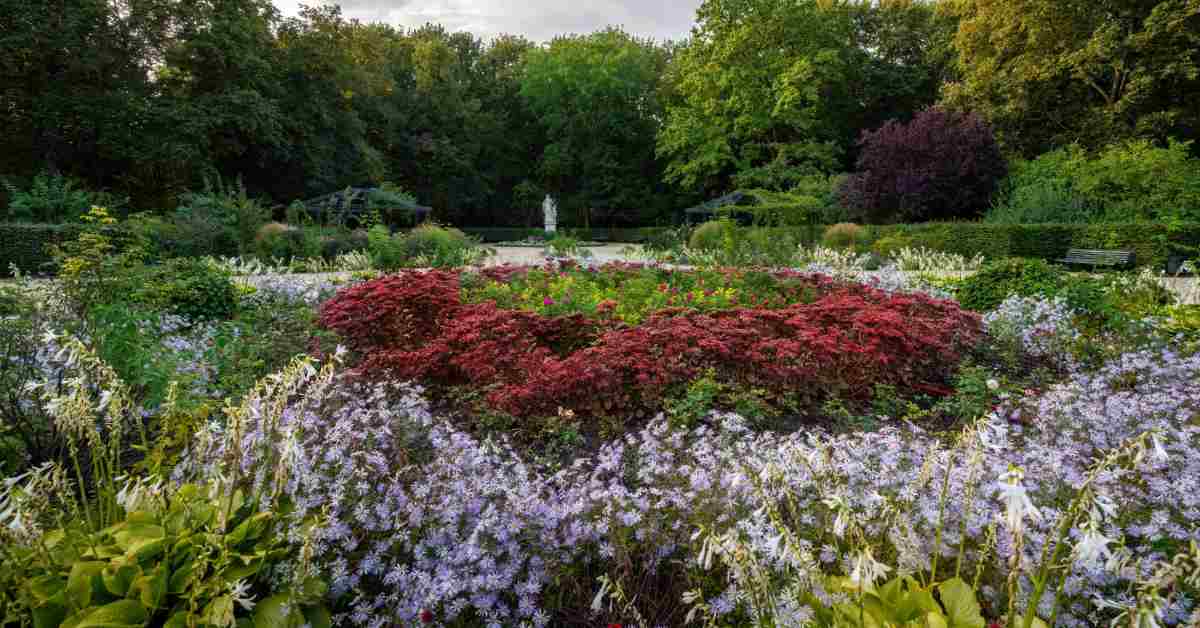
Jesperhus is Scandinavia’s largest flower park and a full-blown family resort tucked away on the island of Mors in northwest Jutland. For expats chasing summer adventure beyond Copenhagen, it is one of Denmark’s most underrated day trips.
Why Jesperhus Is Worth the Drive Across Jutland
I have lived in Denmark long enough to know one truth. Most expats never make it past Aarhus when they head west. That is a mistake, and Jesperhus is exhibit A.
The park sits on the southern tip of Mors, an island in the Limfjord. It opened in 1966, founded by Aage Jensen on the family’s former vegetable farm. Today it draws roughly 300,000 visitors a season, according to VisitNordjylland.
What makes it special is the mix. You get a serious flower park, a small zoo, an amusement park, and an indoor tropical hall. All on one ticket. For a country that often feels minimalist, Jesperhus is gloriously, almost ridiculously, abundant.
A Quick Snapshot of the Park
Here is what you actually get inside the gates of Jesperhus, in plain numbers.
- Size: 8 hectares of landscaped gardens, plus the activity park
- Flowers: Over 500,000 plants in the formal gardens each season
- Animals: More than 700 in the tropical zoo and petting areas
- Founded: 1966, by gardener Aage Jensen
- Owner since 2018: Lalandia A/S, part of Parken Sport & Entertainment
- Season: Late April to mid October, typically
The Flower Park: Scandinavia’s Floral Heavyweight
The Jesperhus flower park is the headline act. It is the largest of its kind in Scandinavia, and you feel that the moment you walk in.
Topiary, Themes and Half a Million Plants
The gardens are organized into themed sections. There is the Italian Garden, the rose collection, the herb garden, and the famous topiary lawn. Every spring, the team plants over half a million bedding plants by hand.
The topiary figures are the real Instagram bait. Think dinosaurs, cartoon characters, and elephants, all sculpted from privet and flowering plants. As reported by VisitDenmark, the planting design is reworked every winter to keep the displays fresh.
The Tropical Hall
Tucked behind the main gardens is a heated tropical hall. Inside, you find butterflies, parrots, koi carp, and reptiles among banana plants and orchids. This is where I usually retreat when a classic Danish summer shower rolls in over the Limfjord.
The hall doubles as a small education center. Staff give short talks on biodiversity, and kids can sometimes hold the smaller reptiles under supervision.
Jesperhus Family Park: The Activity Side
The flowers might be the brand, but the family park is what keeps Danish parents coming back. It is not Tivoli, and it is not pretending to be.
Rides, Pirate Land and Water Slides
The amusement section has more than 60 attractions. You will find a wooden coaster style ride, a Viking ship swing, bumper boats, a Ferris wheel, and pony rides. Kids under 12 are the obvious target audience.
Pirate Land is a separate themed area with rope bridges, a pirate ship, and a small splash zone. The Aqua Park, included with entry, has indoor and outdoor pools, slides, and a heated lazy river. Pack swimsuits, because no one stays dry here.
The Mini Zoo and Petting Farm
The zoo is not large by Copenhagen Zoo standards. But for small children, that is a feature, not a bug. You can actually see the animals, and the meerkats, monkeys, lemurs, and farm animals are within touching distance.
There is also a daily feeding schedule posted at the entrance. I would strongly suggest planning your morning around the goat feeding. It is chaos, and kids love it.
Where Exactly Is Jesperhus?
This is where many international visitors get lost. Jesperhus is not near Copenhagen, and it is not near Aarhus. It sits on Mors, in the heart of Danish Jutland.
The exact address is Legindvej 30, 7900 Nykøbing Mors. The island is connected to the mainland by the Sallingsund and Vilsund bridges. There are no ferries needed for the standard drive.
Driving Times from Major Cities
Here is what you are actually signing up for, in hours behind the wheel.
- From Aalborg: About 1 hour, roughly 80 km
- From Aarhus: Around 2 hours, 175 km
- From Copenhagen: 4 to 4.5 hours, 340 km, via the Storebælt bridge
- From Hamburg, Germany: Around 5 hours via the E45 motorway
If you fly in, Aalborg Airport is the closest international hub. From there it is a 75-minute drive across the Limfjord. Rent a car, because public transport to Mors is doable but slow.
When to Visit Jesperhus for the Best Experience
The park is seasonal. It closes for winter, full stop. So timing matters more than for indoor attractions.
Peak Bloom, Peak Crowds
Late June through early August is when the gardens hit their stride. The bedding displays peak in July, and the topiary is at its most lush. According to the park’s official communication on jesperhus.dk, this is also when most international visitors arrive.
If you hate queues, aim for early June or the first week of September. The flowers are still good, the weather is usually still decent for Denmark, and you can actually walk the paths without bumping strollers.
Spring and Autumn Events
Jesperhus runs a tulip festival in spring and a Halloween season in October. The Halloween dressing of the park is genuinely well done, with pumpkin trails and themed nights. For families with school-age kids, it is one of the better autumn options in Jutland.
I went in mid-October last year. The light through the topiary at dusk was unexpectedly cinematic, and the indoor tropical hall felt like cheating winter. Worth the trip.
Where to Stay: Jesperhus Feriepark
Most visitors do not realize Jesperhus is also a holiday resort. The Feriepark sits next to the gardens and is run by Lalandia.
Cottages, Camping and Hotel Rooms
You can book a basic camping pitch, a self-catering cottage, or a hotel-style apartment. Cottages typically sleep four to eight people and come with a small kitchen. Park entry is included with most stays.
Prices vary wildly by season. A summer week in July can cost 8,000 to 15,000 DKK for a family cottage. The same cottage in May might run 3,500 DKK. Book early through Lalandia’s official site.
Is It Worth Staying Overnight?
For families with kids under 10, yes. The park is genuinely too large for a single day if you want to do the gardens, the zoo, the rides, and the water park properly. Two nights gives you enough time without rushing.
For couples or solo travelers, one day is plenty. You can pair it with a visit to Nykøbing Mors and the surrounding Limfjord countryside.
What Else to See Near Jesperhus on Mors
The island of Mors is one of those places international tourists skip. The locals like it that way. But if you have made the drive, it is worth lingering.
Hidden Gems on Mors and Around
A few stops that pair well with a Jesperhus visit, based on years of cross-Jutland weekends.
- Museum Mors in Nykøbing for local history and Limfjord culture
- Oxholm Castle, a quiet manor with medieval roots
- The Moler Museum at Hanklit, famous for 55-million-year-old fossils
- Salgerhøj, the highest point on Mors, with panoramic Limfjord views
- The Morsland Historical Museum for deeper regional context
If you have an extra day, push north to Thisted and Thy National Park. It is Denmark’s first national park, and the dunes feel almost Scottish.
Ticket Prices and Practical Booking Tips
Pricing at Jesperhus changes by season, but here is the rough 2026 landscape based on the park’s published rates.
What You Pay at the Gate
- Adult day ticket: Around 269 DKK in peak season
- Child (3 to 11): Around 239 DKK
- Under 3: Free entry
- Season pass: From around 449 DKK per person
- Online discount: Typically 10 to 20 percent off gate price
Book online at least 24 hours ahead. The gate queues in July can swallow 30 minutes of your morning. Tickets include the gardens, the zoo, the amusement park, and the water park, which is generous by Danish standards.
A Few Lessons I Learned the Hard Way
Bring towels. The water park rentals are pricey, and the lockers eat 20-krone coins. Pack a picnic, because the on-site restaurants get slammed at lunch.
Stroller rental is available, but limited. If you have a toddler, bring your own. And do not skip the topiary photo opportunities, because that is the shot your relatives back home will actually want to see.
How Jesperhus Compares to Other Danish Theme Parks
For expats new to Denmark, the theme park landscape is bigger than just Tivoli. Jesperhus occupies a specific niche.
Jesperhus vs. the Competition
If you want roller coasters and adrenaline, go to Farup Sommerland or Djurs Sommerland. They have bigger rides and faster thrills.
If you want urban charm and history, Tivoli or Bakken in Copenhagen win. If you want flowers plus family activities under one ticket, nothing else in Denmark matches Jesperhus. Per the Danish tourism board, it remains the only resort in Scandinavia that combines a major formal garden with a full amusement park.
The Expat Take: Why Jesperhus Punches Above Its Weight
I will be honest. The first time I visited, I was skeptical. A flower park with pirate rides sounded like a tourism focus group gone wrong.
But the place works. It is unapologetically family-oriented, the gardens are world-class for their size, and Mors itself is one of the most underrated corners of Denmark. As noted by Wikipedia, the park has been continuously expanded since 1966, and the investment shows.
For expats with kids, Jesperhus is one of the easiest ways to convince visiting family from abroad that Denmark has more than Copenhagen and Lego. For expats without kids, it is a strange, lovable slice of Danish leisure culture that you should see at least once.
Frequently Asked Questions About Jesperhus
How much time do I need at Jesperhus?
Plan a full day if you want to see the gardens, the zoo, the rides, and the water park. A short visit of three to four hours covers the gardens and tropical hall. Families with young kids will easily fill two days, especially if staying at the Feriepark.
Is Jesperhus open in winter?
No, not as a full park. The flower gardens, amusement rides, and outdoor areas close from mid-October until late April. The Feriepark cottages and some indoor facilities operate year-round, including special Halloween and Christmas events on selected weekends.
Can I bring my own food into Jesperhus?
Yes, picnics are allowed. There are designated picnic areas with tables throughout the park. You can also buy meals at on-site restaurants, but lines can be long in peak summer, so a packed lunch usually saves time and money.
Is Jesperhus suitable for teenagers?
Honestly, it is best for children aged 2 to 12. Teenagers may find the rides a bit tame compared to Farup Sommerland or Djurs Sommerland. However, the water park and the surrounding Limfjord activities, like kayaking and cycling, can fill the gap.
Are pets allowed at Jesperhus?
Pets are not permitted inside the main park for animal welfare reasons. Registered service animals are an exception with proper documentation. Some cottages at the Feriepark are pet-friendly, so check when booking if you are traveling with a dog.
How do I get to Jesperhus without a car?
It is doable but slow. Take a train to Thisted via DSB, then a regional bus toward Nykøbing Mors. From Nykøbing, local bus 40 runs to Jesperhus in season. Renting a car from Aalborg Airport is much faster for international visitors.
Is Jesperhus wheelchair accessible?
Yes, most of the park is accessible. Paths in the gardens are paved or hard-packed, and the major attractions have ramps. The water park has accessible changing rooms. Contact the park ahead for specific needs, and they can usually accommodate.
What is the best month to see the flowers at Jesperhus?
July is peak bloom for the bedding plants and topiary. June and August are also strong months. May offers tulips and spring color but less density, while September still has roses and dahlias. Avoid April and October if flowers are your main reason for going.