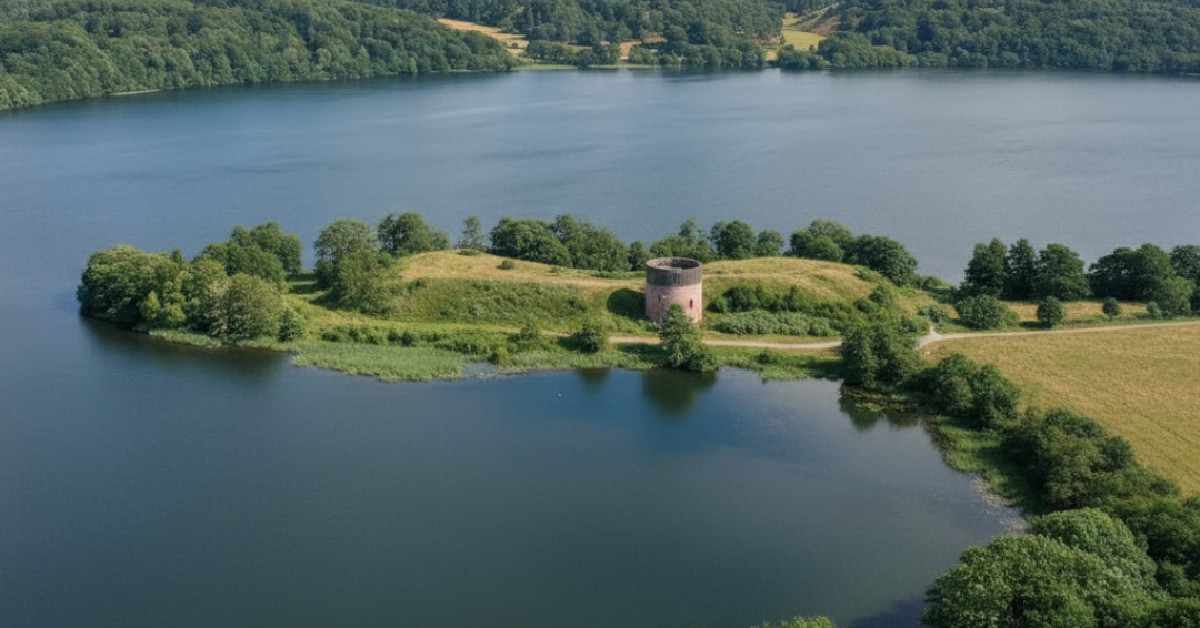
Nestled in the vibrant landscape of Central Jutland, Denmark, lies Hald So—a shimmering lake steeped in natural beauty and historical significance. This serene body of water, surrounded by lush forests and rolling hills, is not just a geographical feature. It is a vital part of Denmark’s cultural heritage. With its scenic vistas and rich history, Hald So captivates the hearts of both locals and visitors, offering a perfect blend of tranquility and adventure. Personally, I think Hald So is one of the most underrated lakes in Denmark. Although it isn’t as famous as the Silkeborg Lakes.
There are several reasons why Hald Sø holds a special place in the Danish landscape. It is one of Denmark’s deepest lakes, reaching depths of up to 31 meters (approximately 102 feet). This natural haven covers an area of about 3.5 square kilometers (1.35 square miles). And it provides a habitat for a diverse array of wildlife, including rare bird species and vibrant flora. The lake’s unspoiled environment serves as a crucial ecological zone, reflecting Denmark’s commitment to preserving its natural heritage.
A Journey Through History
The highlight is undoubtedly the ruins of Hald Castle, a medieval fortification that stands as a reminder of the region’s storied past. Built around the late 13th century, the castle once served as a vital defensive stronghold and a seat of power. Its remnants are a silent testament to the medieval era’s architectural prowess and strategic advancements. Near the lake, you will also find the Hald Hovedgård manor house, a splendid example of 18th-century Danish architecture. This historical building has been transformed into a cultural center.
The Legends and Lore of Hald So
Among the most famous is the tale of the “Black Lake Monster,” a mythical creature said to dwell in the depths of the lake. Another tale speaks of the White Lady of Hald Castle, a ghostly figure who is said to haunt the ruins under the light of the moon. These stories, passed down through generations, enrich the lake’s charm. And they invite visitors to explore the mystical aspects that make the place so unique.
A Hub for Outdoor Enthusiasts
For those who cherish outdoor adventures, Hald So offers a wealth of activities in every season. The expansive terrain around the lake is perfect for hiking, with trails that pass through enchanting forests and offer breathtaking views at every turn. The Silkeborg-Hald pathway, part of Denmark’s extensive network of walking routes, provides an invigorating trek through the landscapes of Central Jutland.
During the warmer months, the lake becomes a hub for water sports and leisurely pursuits. Kayaking and canoeing enthusiasts can navigate the calm waters, while swimmers often take a refreshing dip in designated areas. Fishing is another popular activity, as the lake is home to a variety of species, including pike, perch, and eel. Each activity offers a unique way to connect with nature and experience the exceptional beauty of Hald Sø.
By winter, the surrounding hills provide opportunities for cross-country skiing, drawing outdoor lovers to use the snow-covered trails under crisp, clear skies. This seasonal transformation showcases the area’s versatility and allure, ensuring that each visit offers something new to discover.
A Cultural and Natural Heritage Site
Hald Sø’s significance extends beyond its natural appeal and historical landmarks. It is an embodiment of Denmark’s cultural and natural heritage, celebrated for its integration of history, ecology, and outdoor recreation. Conservation efforts ensure the lake and its surroundings remain clean, enable wildlife to thrive, and provide future generations with a natural wonder.
The importance of Hald Sø is recognized by Land of Lakes, a project committed to conserving Denmark’s lake districts. This initiative highlights the need for responsible tourism and sustainable practices to preserve the delicate ecosystem. Thus, making Hald Sø a model for environmental stewardship in Denmark.
Visiting Hald So: Planning Your Perfect Getaway
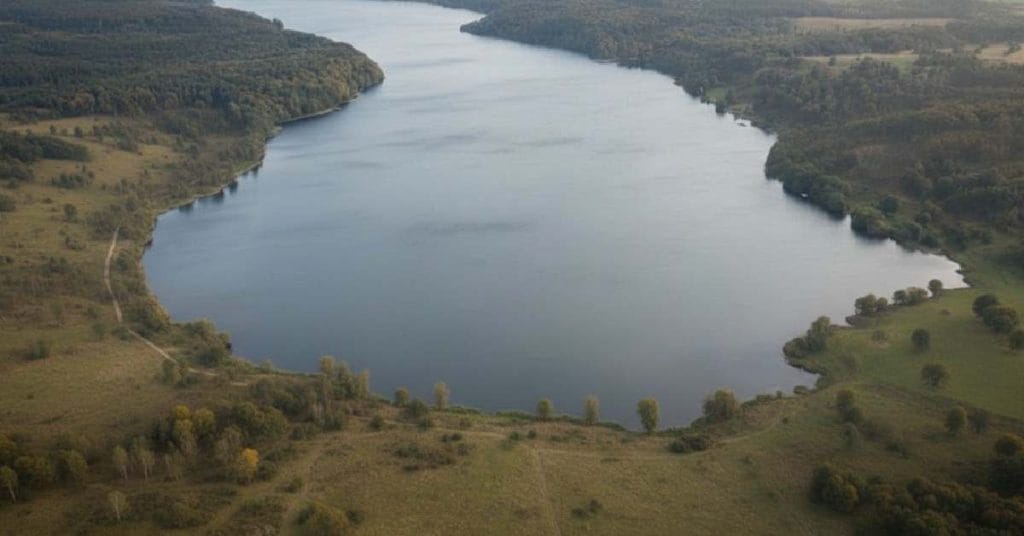
Hald Sø’s enchanting landscape and rich history make it an ideal destination for visitors seeking an escape into nature and the past. Whether you are an adventurer, a history buff, or someone in search of tranquility, Hald Sø offers something for everyone. To help you make the most of your visit, here’s a comprehensive guide.
Best Time to Visit
Spring and Summer: The months from April to September are considered the best times to visit Hald Sø. During this period, Central Jutland is bathed in warmth and sunlight, with temperatures ranging between 15°C and 25°C (59°F to 77°F). This is the perfect time to explore the lake and its surroundings, as nature awakens with vibrant colors and wildlife is more active.
Autumn: If you are a fan of fall foliage, October offers stunning views, as the forests around Hald Sø transform into a kaleidoscope of reds, oranges, and yellows. The crisp temperatures, ranging from 5°C to 15°C (41°F to 59°F), provide a refreshing environment for hiking and exploring historical sites.
Winter: For those who enjoy the charm of a winter wonderland, visiting between December and February can be equally rewarding. Though temperatures drop to an average of -3°C to 4°C (26°F to 39°F), the snowy landscapes offer a peaceful and charming setting. It is essential, however, to be equipped for cold weather if you plan to engage in outdoor activities such as cross-country skiing.
Getting to Hald So
Located approximately 15 kilometers (about 9 miles) south of Viborg, Hald So is easily accessible by various modes of transportation:
By Car: Driving is one of the most convenient ways to reach Hald Sø. The area is well-connected with Danish roadways, and ample parking is available at designated access points.
By Public Transport: For those reliant on public transportation, regular train services connect Denmark’s major cities to Viborg. From there, local buses or car rentals can take you directly to Hald Sø. It is advisable to check the bus schedule in advance to ensure a smooth journey.
By Bicycle: For eco-conscious travelers, cycling is a sustainable option. The Danish countryside offers scenic cycling routes leading to Hald Sø. Central Jutland, in particular, is known for its bike-friendly pathways.
Tips for Visiting Hald So
Plan Your Activities: With so much to see and do around Hald Sø, it is wise to plan your activities according to your interests and the season of your visit. Consider including a mix of hiking, exploring historical ruins, and engaging in water sports to get the full experience.
Bring Essentials: Regardless of the time of year, appropriate clothing and footwear are crucial. In the warmer months, lightweight and breathable layers are recommended, while winter visits call for thermal wear and waterproof clothing. Don’t forget your camera to capture the stunning vistas!
Explore Local Cuisine: After a day of exploration, treat yourself to some Danish culinary delights. Nearby towns offer a range of dining options, from cozy cafés to traditional Danish restaurants. Be sure to try “smørrebrød” (open-faced sandwiches) and fresh local seafood.
Respect the Environment: Visitors are encouraged to follow responsible tourism practices. This includes staying on designated trails, disposing of waste properly, and respecting wildlife habitats.
Stay Overnight: To truly immerse yourself in the serene beauty of Hald Sø, consider spending the night at a local bed and breakfast or campground. This allows you to experience the tranquil evenings by the lake and the peaceful morning mists.
By thoughtfully planning your visit, you can ensure a memorable and enriching experience, taking in all that Hald Sø has to offer. Whether you are delighting in the natural surroundings or going into thehistory and legend, Hald Sø promises an unforgettable journey into the heart of Denmark.
Conclusion
Hald Sø stands as a testament to Denmark’s quintessential blend of nature, history, and culture. This remarkable lake, with its sparkling waters and surrounding lush landscapes, offers a unique retreat that connects visitors with both the environment and the past. From the depths of the lake to the ruins of Hald Castle, each aspect of this destination invites exploration, wonder, and respect. Whether you are kayaking through serene waters, trekking through pleasant forests, or simply enjoying the peaceful ambiance, Hald Sø is a treasure worth discovering.
FAQ about Hald So
1. What is the best time to visit Hald Sø?
The best time to visit Hald Sø is from April to September, when the weather is warm and conducive to outdoor activities. Autumn is also stunning for capturing fall foliage, while winter offers a unique snowy landscape for seasoned explorers.
2. How deep is Hald Sø?
Hald Sø is one of Denmark’s deepest lakes, with a depth reaching up to 31 meters (approximately 102 feet).
3. Is there an entrance fee to access Hald Sø?
No, access to Hald Sø and its surrounding hiking trails is free. However, some specific activities or guided tours might have a fee, so it is advisable to check in advance.
6. What wildlife can I expect to see at Hald Sø?
Visitors may encounter a variety of wildlife, including birds like grebes and kingfishers, along with amphibians, deer, and fish species such as pike and perch.
7. Is Hald Sø accessible by public transportation?
Yes, Hald Sø is accessible by public transportation. Visitors can take a train to Viborg and then use local buses or rent a car to reach the lake.
9. Can I participate in water sports at Hald Sø?
Absolutely, Hald Sø is popular for kayaking, canoeing, and fishing. Rentals and equipment are available for visitors wanting to partake in these activities.
10. What should I pack for a visit to Hald Sø?
Pack appropriate clothing for outdoor activities based on the season—sturdy footwear for hiking, a camera for capturing the stunning landscapes, snacks, water, and so on.