Per Kirkeby didn’t follow a straight path to becoming one of Denmark’s most internationally recognized artists. He started in geology, earned a master’s degree, and spent time on expeditions to Greenland before turning toward art full-time.
Over six decades, he developed a singular visual language rooted in physical structure, material layering, and a deep engagement with the natural world. His paintings, brick sculptures, writings, and films carry traces of both the scientist and the artist. He was a Danish artist, yes—but also a sculptor, writer, professor, and collaborator whose reach extended far beyond the borders of Denmark.
- Per Kirkeby’s Unconventional Path to Art: Initially a geologist and Greenland expeditioner, Kirkeby shifted fully to art, integrating his scientific experience into his visual language.
- Distinct Artistic Style Influenced by Science and Nature: His work features geological textures and layered materials, reflecting his background in geology and engagement with natural forms.
- Interdisciplinary Approach and Teaching: He blended science, performance, and art, teaching at prominent schools and writing essays that reveal his cross-disciplinary philosophy.
- International Recognition and Diverse Mediums: Kirkeby’s exhibitions at major global institutions and his work across painting, sculpture, film, and writing established his international reputation.
- Legacy and Later Years: His career was halted by a brain injury in 2013; he left a legacy through his influential artworks, teachings, and contributions to art theory.
The Early Life of the Danish Artist
Per Kirkeby was born in 1938 in Copenhagen to Alfred Kirkeby Christensen and Lucy Helga. His early interest in nature led him to study geology at the University of Copenhagen, where he graduated in 1964.
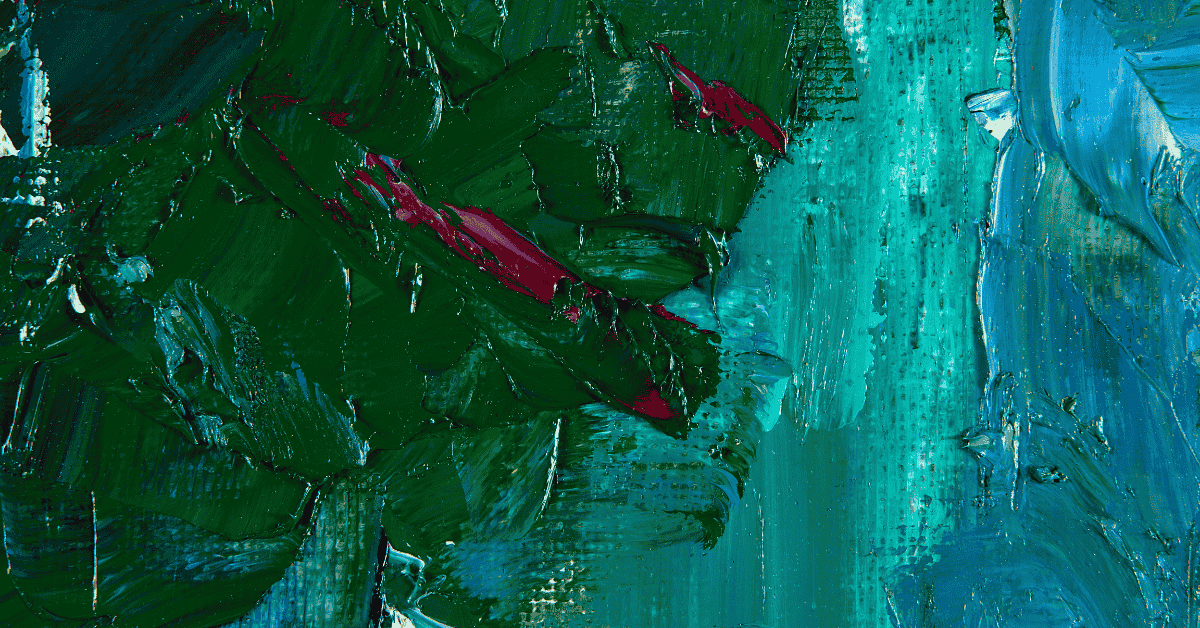
During that time, he took part in expeditions to Greenland—an experience that left a lasting impression on his sense of scale, surface, and time. The influence shows up again and again in his paintings: thick impasto evoking mineral layers, jagged brushstrokes echoing the drama of ancient landscapes.
He never made a clean break from science. Instead, he rerouted it. Around 1962, he joined the Experimental Art School in Copenhagen, a hub for artists working against the grain of academic tradition. It was here that he began merging disciplines, using what he knew about sedimentation, erosion, and structure to inform a new kind of visual art.

Besides paintings, Kirkeby’s early works included performances, films, and writings. He aligned briefly with Fluxus, the anti-commercial, anti-art-art movement that included artists like Nam June Paik and Joseph Beuys. While he eventually distanced himself from Fluxus, its irreverence and cross-medium experiments left a mark.
Gaining International Recognition for His Body of Work
Kirkeby’s first solo exhibition came in 1973 at Galleri Billedstofte in Copenhagen. By then, he had already cultivated a distinct approach: layered oil on canvas pieces that felt dense, stratified, almost geological. They didn’t fit neatly into movements like Pop Art, though he was loosely influenced by it, especially in his early works on paper.
Through the 1980s and 1990s, he expanded into sculpture, particularly brick sculptures that blurred the line between architecture and fine art. These structures, some monumental, others tucked away in public parks, echoed geological forms but were also deeply human. His 1993 commission for the Stuttgart Museum, a brick sculpture with no clear entrance, refused to make itself easy. That was part of the point.
Kirkeby’s exhibitions began to cross borders. Major institutions—Museum Ludwig in Cologne, the Van Abbemuseum in Eindhoven, Museum Folkwang, Centre Pompidou, and the Tate Modern—hosted shows that brought his works to an international audience. In Denmark, retrospectives at the Louisiana Museum of Modern Art and the Museum Jorn helped secure his legacy at home.
He was also a regular presence at the Venice Biennale and showed with the Michael Werner Gallery and Galerie Michael Werner across Germany, France, and the United States. His artworks for sale, whether bronze, canvas, or brick, attracted collectors and critics alike. He became, by every measure, a figure of global standing.
Teaching, Writing, and Film
Kirkeby made art and thought deeply about it. He wrote essays, diaries, poetry, and reflections that offered insight into his process and philosophy. His publications remain valuable not only to art historians but to fellow artists who see in his writing a rare mix of rigor and vulnerability.
He taught at institutions like the Städelschule in Frankfurt am Main and the Karlsruhe Institute of Arts, helping to train the next generation of European artists. His pedagogy reflected his practice: interdisciplinary, conceptual, grounded in both theory and observation.
Film also came into the picture. He collaborated with Danish filmmaker Lars von Trier, serving as production designer for Europa (1991) and working closely with producer Vibeke Windeløv. Kirkeby’s contribution was visual, but also atmospheric. His involvement with cinema was part of his larger project: to work across media without hierarchy.
Later Years and Legacy of Per Kirkeby
In 2013, Kirkeby suffered a brain injury that forced him to stop painting. He continued to write and reflect, but the physical part of his practice (the layering, scraping, building) was over. He died in 2018 in Copenhagen.
Conclusion and FAQs About Per Kirkeby
Conclusion
Today, Kirkeby is remembered as a member of the Danish Academy, an artist whose geological background never left him, and a mind that refused to separate disciplines. His work is housed in museum collections worldwide including the Tate, and his influence shows up in classrooms, art studios, and public squares across Europe.
For those who want to understand how structure, science, and spontaneity can live in a single painting (or a single artist), Per Kirkeby is essential. He carved art out of earth, out of thought, out of time.
Summary
- Early life: Born in Copenhagen in 1938, Kirkeby studied geology and joined expeditions to Greenland before turning to art.
- Art school: In the 1960s, he attended the Experimental Art School in Copenhagen, where science met performance, painting, and Fluxus-inspired experimentation.
- First exhibitions: His solo debut came in 1973, featuring thick, layered canvases that reflected his geological mindset.
- Sculpture work: In the 1980s and ’90s, Kirkeby built brick sculptures installed across Europe.
- Global presence: Per Kirkeby exhibited at Tate Modern, Centre Pompidou, Museum Ludwig, and the Venice Biennale, among others.
- Teaching roles: He taught his cross-disciplinary approach to young artists at Städelschule and Karlsruhe.
- Writing and film: A prolific writer, Kirkeby also worked with Lars von Trier and contributed to film design and art theory.
- Later years: A brain injury in 2013 ended his painting career. He died in 2018, leaving behind a legacy in both art and academia.

Frequently Asked Questions
What influenced Per Kirkeby’s artistic style and how did his background in geology contribute to his work?
Per Kirkeby’s background in geology deeply influenced his artistic style, with his experiences in Greenland expeditions reflected in the thick impasto and jagged brushstrokes that evoke mineral layers and ancient landscapes.
How did Kirkeby’s education and early career shape his interdisciplinary approach to art?
Kirkeby’s studies at the Experimental Art School in Copenhagen and his merging of scientific knowledge with art practices fostered an interdisciplinary approach, blending performance, painting, and experimental media.
In what ways did Per Kirkeby gain international recognition for his work?
Kirkeby gained international recognition through exhibitions at major institutions worldwide, participation in the Venice Biennale, and showing with galleries across Europe and the United States, which solidified his reputation globally.
What roles did Per Kirkeby have in addition to being a painter and sculptor?
Aside from being a painter and sculptor, Kirkeby was also a writer, professor, film collaborator, and philosopher, contributing essays, teaching, and working with filmmaker Lars von Trier.
How did Kirkeby’s later years affect his artistic career, and what is his legacy today?
A brain injury in 2013 ended Kirkeby’s painting career, but he continued writing and reflecting. His legacy endures through his internationally recognized artworks, teachings, and contributions to art theory and interdisciplinary practice.