
Born into an era when the northern extremities of the globe remained largely a mystery, Ejnar Mikkelsen embarked on a journey. It was one that would not only push the boundaries of human endurance but also significantly deepen our understanding of the cold, enigmatic world above the Arctic Circle. Immersed in a spirit of adventure and steely resilience, Mikkelsen’s life is a testament to the indomitable human will to uncover the unknown.
His expeditions, characterized by perseverance against harsh climates and seemingly insurmountable odds, helped demystify the Arctic landscape. Thus making him a key figure among polar explorers. To understand why Ejnar Mikkelsen remains an inspirational figure, one must go into the early life of this extraordinary man.
Early Life and Formative Years of Ejnar Mikkelsen
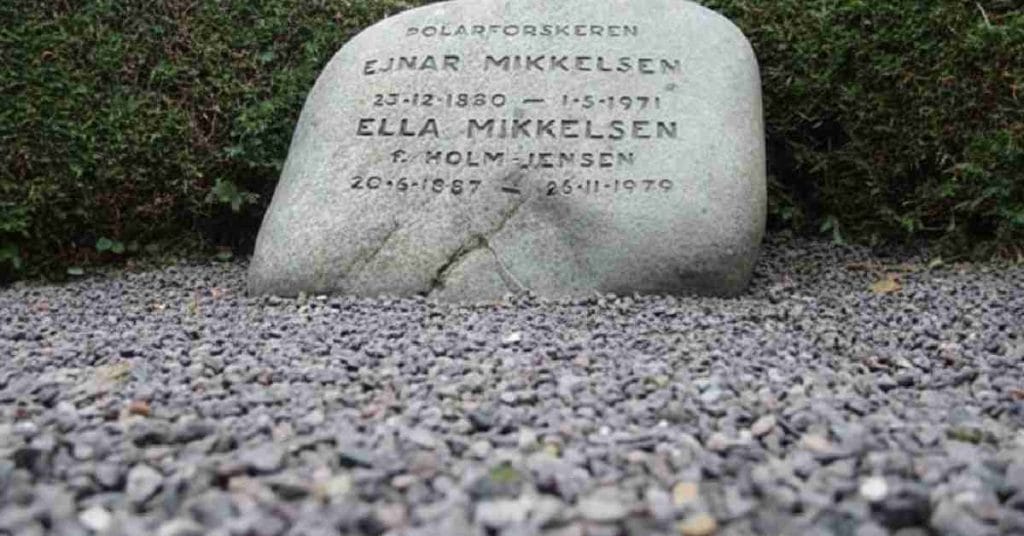
Ejnar Mikkelsen was born on December 23, 1880, in Vester Brønderslev, a rural town located in the northern part of Denmark. This setting, far removed from the bustling urban centers, fostered in him a profound appreciation for nature and the outdoors from a young age. At the time of his birth, Denmark was a nation with a rich maritime heritage. And this cultural backdrop likely kindled Mikkelsen’s fascination with the seas and distant lands.
When Mikkelsen turned 14, he made a crucial decision that would steer his life towards exploration. He enrolled in maritime training as a cabin boy on Danish and Norwegian ships. This early exposure to the maritime world played a vital role in preparing him for the life of an explorer. By the age of 21, in the year 1901, he had already become an Arctic veteran with firsthand experience in the icy terrains.
The real turning point in his life came during his involvement in the Anglo-American Arctic expedition of 1906-1908. During this expedition, Mikkelsen served as first mate under the leadership of Sir Ernest de Koven Leffingwell, an American geologist and Arctic explorer. The expedition aimed to map and research the geography of northern Alaska’s Beaufort Sea coast. Moreover, this experience not only honed Mikkelsen’s skills but also instilled in him the courage needed to lead his expeditions.
Aged just 28, Mikkelsen embarked on his first notable independent expedition—the 1909-1912 Alabama Expedition. Thus marking the beginning of his significant contributions to the sphere of Arctic exploration.
Career Highlights of Ejnar Mikkelsen
The Alabama Expedition (1909-1912)
The Alabama Expedition is perhaps the most defining chapter of Ejnar Mikkelsen’s career. Organized by Mikkelsen and supported by the Danish government, the expedition aimed to retrieve records left by the ill-fated Denmark Expedition of 1906-1908. The team embarked on the schooner Alabama, setting off in July 1909 to Cape York in northwestern Greenland. Despite the expedition’s noble goal, they faced severe adversity from the onset.
In the fall of 1910, their ship, Alabama, became trapped in pack ice and was eventually crushed, leaving the crew stranded. Nevertheless, Mikkelsen embodied resilience as he pressed on. Accompanied by his trusted companion, Iver P. Iversen, he embarked on a 200-mile sled journey across the harsh landscapes of Greenland. In April 1912, after overcoming the desolate Arctic barrens, they succeeded in their mission, retrieving essential records left by the Denmark Expedition.
Remarkably, it was not until July 1912 that Mikkelsen and Iversen were rescued, having survived almost two years in isolation in the polar wilderness. Their story is a testament to human endurance and adaptability in the face of dire conditions.
Literary Contributions and “Two Against the Ice”
Beyond his physical adventures, Mikkelsen made substantial contributions through his writings. He was an articulate communicator and depicted his experiences in vivid detail. In 1913, Mikkelsen published his memoir of the Alabama Expedition, titled “Two against the Ice.”
Later Expeditions and Leadership
During the 1920s, Mikkelsen led various journeys into the Arctic regions, further solidifying Denmark’s contributions to polar research. In the later years of his career, Mikkelsen also took on leadership roles. Thereby, representing Denmark at international conferences and actively engaging in geopolitical discussions surrounding the Arctic. His involvement extended beyond exploration, as he worked tirelessly to advocate for the environmental and cultural preservation of these regions.
Conclusion
Throughout his life, Mikkelsen’s contributions did not go unrecognized. In 1924, he was awarded the prestigious Hans Egede Medal by the Royal Danish Geographical Society. Hence, acknowledging his contributions to Arctic exploration and research. The accounts he provided the world through his writings and lectures have nourished countless imaginations and highlighted the importance of exploration in fostering global understanding.
Ejnar Mikkelsen’s legacy is an extraordinary journey of grit and curiosity. His explorations brought new knowledge about the Arctic and strengthened the bond between Denmark and its Arctic territories. Also, his life’s work stands as a beacon of the human spirit’s quest for discovery against the backdrop of the world’s last great wildernesses.
FAQs about Ejnar Mikkelsen
1. What were some of Ejnar Mikkelsen’s literary contributions?
Mikkelsen authored “Two Against the Ice,” an account of his harrowing experiences during the Alabama Expedition. This is along with other writings that document the challenges of Arctic exploration.
2. How did Ejnar Mikkelsen start his career in exploration?
Mikkelsen began his journey as an explorer by joining maritime training as a cabin boy and later took part in significant early 20th-century Arctic expeditions.
3. Did Ejnar Mikkelsen undertake any other expeditions?
Yes, after the Alabama Expedition, he continued exploring various Arctic regions in the 1920s, contributing further to Denmark’s Arctic research and exploration.