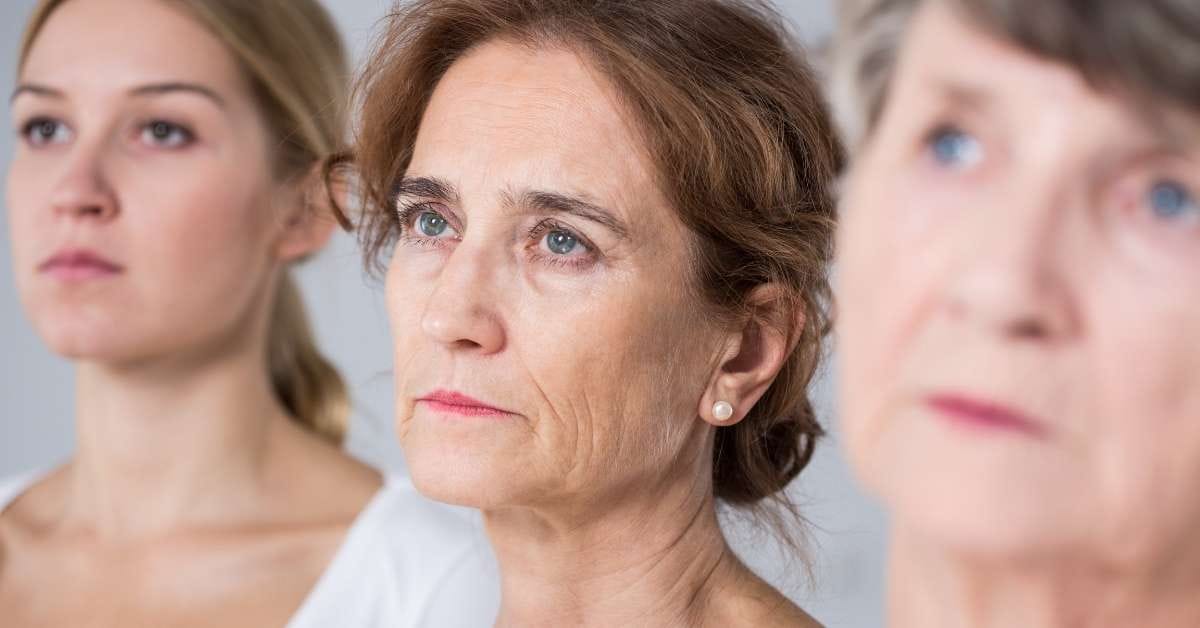
A groundbreaking study from the University of Copenhagen reveals that nearly all women in Denmark experience symptoms during menopause, contradicting earlier beliefs. The findings highlight significant health and economic challenges, prompting increased national focus on women’s health research.
New Study Shows 97% of Danish Women Face Menopause Symptoms
A comprehensive survey conducted by the University of Copenhagen has dramatically altered the understanding of how menopause affects women. According to the survey, which included over 150,000 women between the ages of 45 and 59, a staggering 97 percent reported experiencing at least one symptom related to menopause. This is a stark contrast to earlier estimates suggesting that one-third of women would not be significantly affected.
The study is the most extensive of its kind ever conducted in Denmark, a country where approximately 600,000 women fall into this age group. Prior research, limited by smaller sample sizes, had underestimated the prevalence and intensity of menopausal symptoms.
The Most Common Struggles: Sleep, Mood, and Physical Changes
The findings indicate that sleep disturbances are the most widespread symptom among Danish women during menopause, with more than half experiencing moderate to severe difficulties sleeping. Mood swings, increased irritability, and joint pain were also frequently cited. Some women described the experience as entering a “second puberty” due to the emotional instability and physical changes they encountered.
One of those women is Danish actress Mette Horn, who publicly shared her experience, stating that the lack of accessible information made the transition even more isolating. She described undergoing significant mood changes, body alterations, and persistent fatigue.
Economic Impact: Billions Lost Annually
Menopause doesn’t only impact women personally; the effects ripple into the broader economy. A recent government estimate presented to the Danish Parliament’s Health Committee puts the annual economic loss at approximately 4 billion Danish kroner (about $570 million). This stems primarily from lost productivity and increased worker absence, amounting to approximately 10,200 full-time equivalent work years lost each year.
Health-related absenteeism and reduced performance at work due to menopausal symptoms are behind the majority of these costs. Despite the scale of the issue, many women report struggling to find appropriate medical support or workplace accommodations.
Lack of Research and Awareness Until Now
For decades, menopause has not received significant attention in public health policy or scientific research, either in Denmark or internationally. Most medical literature offered minimal guidance, and many women struggled to gain basic knowledge from official sources.
This silence is now being challenged. The Danish government announced on October 21 the launch of a new National Center for Research in Women’s Health. Backed by 160 million Danish kroner (about $23 million) over the next four years, the center aims to close knowledge gaps not only around menopause but also around numerous other female-specific health concerns.
Personal Toll Brings Shift in Policy
Camilla Fabricius, a member of the Danish Parliament and part of the cross-party Alliance for Women’s Health, shared how her own health crisis-which initially led to mistaken diagnoses-ultimately revealed her symptoms were menopause-related. The confusion and lack of awareness led her to advocate for systemic changes now being implemented.
She emphasized the importance of further research and called on labor unions and employers to take active roles in addressing the challenges faced by women experiencing menopause. Ideas on the table include introducing paid care days and enhanced support for managing medical leave linked to menopausal symptoms.
Hormonal Treatment Offers Relief, but Access Varies
Some women, like Mette Horn, found relief through hormonal therapy, which allowed her to return to her ordinary life within weeks. But access to such treatments remains inconsistent, and many women still go undiagnosed or unsupported.
As Denmark invests in research and policy overhauls, there’s growing hope that women’s health concerns, particularly those surrounding menopause, will receive the attention they’ve long lacked. The conversation is shifting from silence to action, with lived experiences fueling new understanding and public initiatives.