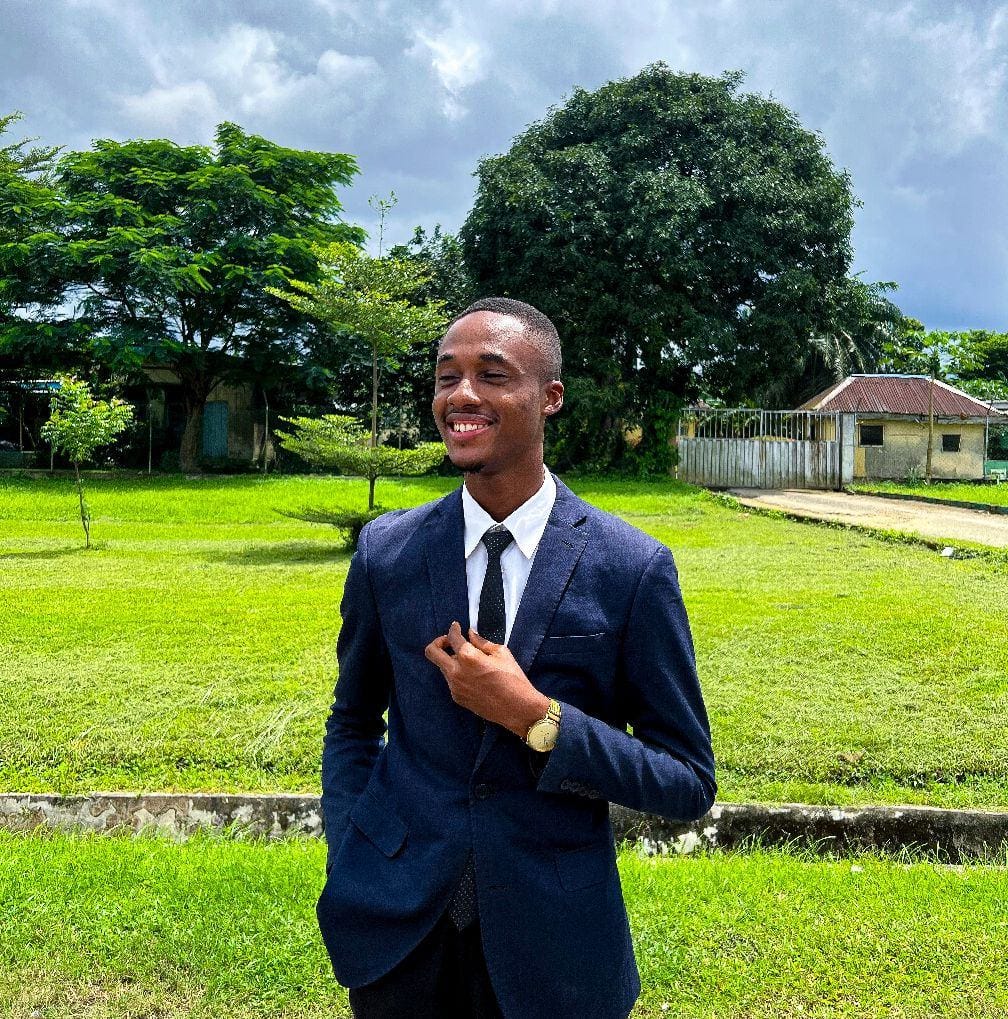
A 20-year-old Danish man is trading his career as a trained bricklayer to join his family’s funeral business as an undertaker. Søren Fohlmann, who has been helping in the family business since age 15, says death is a natural part of life in Denmark and looks forward to working closely with his family.
From Construction to Compassion
Søren Fohlmann recently completed his training as a bricklayer in September 2025 and has been working in construction ever since. But on February 1st, he will officially step into a completely different role. He is joining his family’s funeral home business as an undertaker.
The career change isn’t motivated by dissatisfaction with construction work. In fact, Fohlmann enjoyed being a bricklayer. Instead, he’s drawn to the opportunity to help people during their most vulnerable moments.

For many young people, the idea of working with death might seem unusual or even uncomfortable. However, Fohlmann has been familiar with the funeral industry since he was just 15 years old. At that age, he began assisting in the family business, including helping his mother prepare deceased individuals.
Family Business, Family Bonds
Working as an undertaker at 20 years old might raise eyebrows among peers. Fohlmann acknowledges that his friends find his career choice somewhat unconventional. Despite that, they’ve expressed admiration for his decision to follow in his family’s footsteps.
The funeral business runs deep in Fohlmann’s family. His older brother, mother, father, and maternal grandfather are all undertakers or have worked in the profession. This creates a unique family dynamic that Fohlmann values highly.
One of the main motivations for joining the family business is the prospect of spending more time with his relatives. Fohlmann explains that working together means constant interaction, rather than just seeing family members for a few hours in the evening or on weekends. The shared work creates opportunities for deeper conversations and stronger connections.
Breaking the Taboo Around Death
Research conducted by Epinion for DR shows that approximately half of Danes view death as a taboo subject in Danish society. Fohlmann’s upbringing stands in stark contrast to this perspective. He grew up viewing death as a completely natural part of life.
According to Fohlmann, death can actually strengthen family bonds. When loved ones gather to say goodbye to a family member, it creates space for sharing old stories and cherished memories. Naturally, death remains difficult. It’s not something anyone becomes accustomed to overnight.
A Young Perspective in an Old Profession
Fohlmann recognizes that his age might initially be a challenge in the profession. Some clients will likely prefer an undertaker with more life experience. He expects it will take several years before he becomes a well-known face in the community.

At the same time, his youth could bring fresh perspectives to the funeral industry. Fohlmann believes he can offer new ideas about how to conduct funerals and serve grieving families. His generation’s different outlook might resonate with some clients who appreciate a modern approach.
Navigating Difficult Situations
The transition from bricklaying to funeral services represents a significant shift in responsibility. As Fohlmann points out, the work involves being present for people during incredibly vulnerable situations. The role requires taking responsibility for helping families move forward after loss.
While Fohlmann feels prepared for most situations, he hopes he won’t encounter one particular scenario. Having to arrange a funeral for someone his own age would be particularly difficult and heartbreaking.
The Reality of Working With Loss
Despite his familiarity with the funeral industry, Fohlmann maintains a realistic perspective about the emotional weight of the work. He understands that dealing with death professionally doesn’t mean becoming immune to its impact. Each situation brings its own challenges and requires sensitivity.
His early exposure to the business has given him practical skills and emotional preparation. However, he acknowledges that transitioning from occasional helper to full-time professional will bring new responsibilities and challenges.
The decision to become an undertaker at such a young age reflects both family tradition and personal values. For Fohlmann, helping others during their darkest moments and maintaining close family ties makes the unconventional career path worthwhile.
Sources and References
The Danish Dream: What Is It Like to Live in Denmark as Told by a Dane
The Danish Dream: Best Funeral Services in Denmark for Foreigners
DR: Ikke for tidligt at tænke på døden: 20 år og bedemand