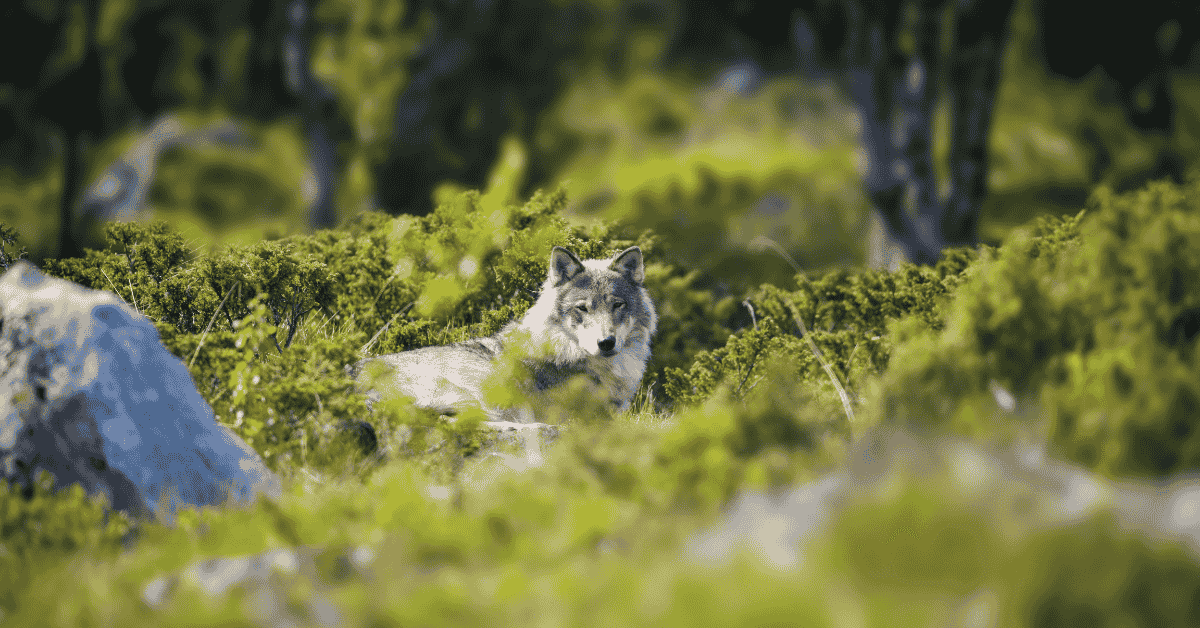
Danish public broadcaster DR published a Q&A on August 14, 2026, in which three of the country’s leading wolf experts answered questions from viewers and readers about wolves in Denmark.
The answers were collected after DR devoted coverage the previous evening to the ongoing wolf debate in Denmark. According to DR, the ten selected answers came from researcher Hans Peter Hansen, Kent Olsen and Peter Sunde. The questions covered attacks, movement, EU rules and whether wolves can reach Zealand.
On the question of attacks, Hansen said there were probably attacks on people in Denmark several hundred years ago, but not in modern times. Outside Denmark, he said, attacks have occurred in recent years, including in the Netherlands and Italy. He put the European population at probably more than 25,000 wolves, and said authorities in several cases acted too slowly on warnings.
Olsen said wolves cover close to 25 kilometers per day on average, whether they are lone roaming animals or settled in a territory. After a large meal they may barely move for a day, he said, while extreme cases have exceeded 90 kilometers in 24 hours.

Sunde said the question of whether Denmark should have wolves is political, and that the legal framework lies with the EU because the wolf is a protected species. Denmark therefore cannot decide on its own to eradicate it, he said, unless protection is returned to member states. Olsen added that Denmark is obliged to protect species listed under the EU Habitats Directive, including wolves and butterflies.
On population limits, Hansen described the issue as contested in Sweden as well. He said the Swedish government decided around 2009 that roughly 200 wolves were sufficient, but that the European Commission disagreed and Sweden was required to raise the figure to about 400. Later attempts to lower it again depend on whether the population has what is termed favorable conservation status.
Olsen said wolves lose their natural shyness only when they are conditioned by people, typically through feeding, or after being held in captivity and released. Wolf pups are naturally shy and remain so if people do not feed them, he said. Rising wolf numbers have fed public concern in recent years.
Asked why wolves kill more sheep than they eat, Sunde said predators lack a stop mechanism after the first kill. In an enclosure, sheep cannot flee far and bunch together, producing what he called natural behavior in a biologically unnatural situation.
Olsen addressed a question from a reader whose partner had become afraid of walking in nature with children. He said the wolves seen in Bunken Klitplantage and west of Nørre Nebel had been close to people, but that the situations were not dangerous.
On whether wolves can reach Zealand, Olsen said they swim well, but that European wolves generally avoid water. Some have crossed the Limfjord by swimming or via the Aggersund Bridge, he said. Sunde noted that other countries fit problem wolves with GPS collars and then shoot at them with paintball guns.