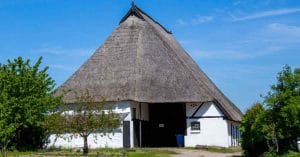
Nestled on the eastern coast of Jutland, Denmark’s mainland peninsula, Fredericia is a city steeped in history and cultural significance. For me, it was a special kind of experience taking in its robust fortifications, strategic location, and vibrant modern attractions. I would recommend this site along with Kolding. Also, the city is a testament to Denmark’s rich history and resilient spirit!
A Fortress City Founded in the 17th Century
Founded in 1650 by King Frederick III, the city was strategically designed as a fortified town. The king envisioned a stronghold that could guard against foreign invasion and serve as a safe haven for religious minorities. It was explicitly planned with military needs in mind, featuring a star-shaped fortress with extensive fortifications that included ramparts, bastions, and a network of moats. These fortifications not only defined its early urban landscape but also have become iconic symbols of the city today. Thus, drawing thousands of history enthusiasts every year.
A site of notable military history, Fredericia is most famous for the Battle of Fredericia during the First Schleswig War in 1849. On July 6, Danish forces successfully repelled Prussian invaders in a surprise nighttime attack that became a cornerstone of Danish military pride. Celebrated to this day as “Fredericia Day” or “6th of July,” the victory is commemorated annually.
A Melting Pot of Culture and Tolerance
The city uniquely welcomed people of different beliefs at a time when such inclusivity was rare. This policy attracted diverse communities, including Catholics, Jews, and Huguenots, contributing to the city’s cultural richness. Fredericia is home to Denmark’s first synagogue, built in 1810, which serves as a symbol of the city’s longstanding tradition of inclusion and diversity.
The influence of this cultural mix is still evident in the city’s architecture, festivals, and daily life. The presence of various cultural and religious landmarks in Fredericia embodies its historical and ongoing commitment to acceptance and coexistence. This legacy of diversity continues to echo in the city’s spirit, making it an inclusive place for people of all walks of life.
Economic and Industrial Vitality
Fredericia is not just a relic of the past but a living and thriving city that contributes significantly to the Danish economy. Thanks to its strategic position along the Little Belt (Lillebælt) waterway, it has become a critical area for Denmark’s shipping and logistics industries. The Port of Fredericia is one of the country’s largest, facilitating significant volumes of goods and services.
Fredericia is also home to a robust energy sector, with Denmark’s major energy company, Ørsted, basing some of its operations there. In recent years, the city has become a focal point for renewable energy initiatives, aligning with Denmark’s ambitious sustainable development goals and commitment to reducing carbon emissions.
Visiting Fredericia: Practical Tips and Seasonal Highlights

Best Time to Visit Fredericia
Fredericia is a year-round destination, but the optimal time for visiting largely depends on your interests. Summer, from June to August, offers the sunniest and warmest weather, with temperatures averaging between 18°C to 22°C (64°F to 72°F). This period is ideal for exploring the outdoor attractions and partaking in the vibrant local festivals, such as Fredericia’s annual 6th of July celebrations. Summer also enhances the allure of outdoor activities, with the nearby beaches and parks bustling with locals and tourists alike.
For those interested in cultural festivities, visiting during the 6th of July celebrations offers a unique snapshot of Danish history. This is through colorful parades, military reenactments, and community events. Spring and autumn, although cooler—with temperatures ranging from 10°C to 16°C (50°F to 61°F)—also provide pleasant conditions. This is for sightseeing and enjoying the natural beauty of the area, with fewer crowds than in summer.
Getting to Fredericia
Fredericia is situated about 210 kilometers from Copenhagen and around 115 kilometers from Aarhus, two of Denmark’s largest cities. Traveling by train is convenient, as Fredericia is a key junction in the Danish rail network. Direct trains from Copenhagen take approximately two hours, providing a scenic journey across the Danish countryside.
For those driving, major highways connect Fredericia with the rest of Denmark, making it easily reachable by car. The city center offers ample parking facilities for tourists, ensuring a hassle-free visit. Also, the city is well-served by public transport, with buses regularly connecting the central station to key attractions and nearby points of interest.
Must-See Attractions and Tips for Visiting
The Fredericia Ramparts (Fredericia Vold), the iconic fortification system, is the city’s defining feature. Stretching over four kilometers, these ramparts offer a historic tour through lush greenery, complete with cannons and bastions that date back centuries. Walking or cycling around the ramparts is a great way to immerse yourself in Fredericia’s military history.
Tip: Consider taking a guided tour to deepen your appreciation of the historical context and stories embedded in the ramparts. Local guides offer insights not readily conveyed by mere plaques or guidebooks.
Another key site is the Trinitatis Church, a fine example of Scandinavian religious architecture. It stands as a beacon of Fredericia’s long-standing tradition of religious tolerance and architectural heritage. The church is open to visitors, with entry generally free.
Tip: Visit the church during its daily opening hours to witness its serene beauty when natural light streams through the stained glass windows. Consequently, enhancing your visit with a breathtaking ambiance.
Lastly, for nature lovers, Madsby Park is a fantastic family-friendly spot that blends recreational activities with relaxation. It features a petting zoo, playgrounds, and walking trails. Visiting this park provides a refreshing contrast to the city’s historical attractions and is perfect for families traveling with children.
Local Cuisine and Dining Experiences
A trip to Fredericia would not be complete without indulging in some of the local culinary delights. The city’s culinary scene showcases traditional Danish dishes alongside modern gastronomic creations. Be sure to try traditional Danish smørrebrød—open-faced sandwiches featuring local ingredients, or savor freshly caught seafood at one of the many harbor-front restaurants.
Tip: Visit the local food market during weekends for an authentic taste of Danish produce and delicacies. Frequenting local eateries is a rewarding experience, as it connects visitors with flavors cherished by Fredericia’s residents.
Conclusion
Fredericia is truly a unique destination that harmoniously blends its storied past with present dynamism. From its origins as a fortified military town to its current status as a vibrant cultural and economic hub, the city embodies a rich history, inclusivity, and modern vitality. Whether drawn by its historical intrigue, welcoming atmosphere, or lively cultural scene, this attraction offers something for every type of traveler.
FAQs about Fredericia
1. What is the best time to visit Fredericia?
The best time to visit is during the summer months from June to August when the weather is warm and perfect for outdoor activities. This period also aligns with the city’s vibrant festival season.
2. Is Fredericia kid-friendly?
Yes, it is very family-friendly. Madsby Park offers playgrounds and a petting zoo, while the city’s many green spaces provide ample opportunities for family excursions.
3. Are there any local dishes I should try while in Fredericia?
Certainly, try the traditional Danish smørrebrød and enjoy the fresh seafood offerings available at local restaurants, particularly along the harbor.