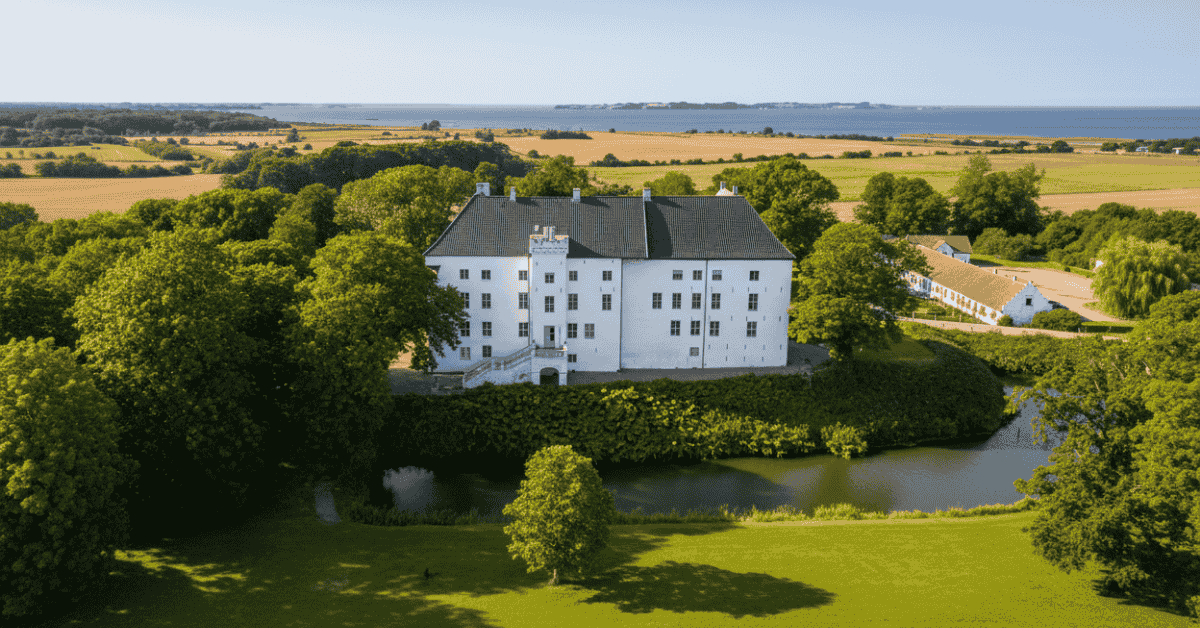
Unveiling the Mystique of Dragsholm Castle: A Danish Icon
Perched majestically on the windswept coastlines of Denmark, Dragsholm Castle (in Danish: Dragsholm Slot) is a testament to the rich tapestry of history, architecture, and legend that defines this Scandinavian country. From its origins as a medieval fortress to its modern-day incarnation as both a hotel and a historical site, the castle’s walls echo tales of bygone eras, complete with kings, nobility, and rumors of phantoms. Each stone of this nearly millennia-old structure tells a story that draws visitors into a world where the past dovetails harmoniously with the present.
- Historical Significance of Dragsholm Castle: It is one of Denmark’s oldest secular buildings, and dates back to around 1215. It has served various roles including fortress, noble estate, and prison.
- Architectural Evolution and Scenic Setting: The castle showcases a harmonious blend of Romanesque, Gothic, and Renaissance styles. It is located amidst the scenic Odsherred UNESCO Geopark with stunning views.
- Myths, Legends, and Haunted Reputation: Renowned as one of Europe’s most haunted castles, it is believed to host spirits like the White Lady and Gray Lady, which adds to its mystical allure.
- Visitor Tips and Experiences: Best visited in warmer months, with guided tours, on-site dining, and optional overnight stays. It offers a rich cultural and historical experience.
Dragsholm Castle: A Fortress Through the Ages
Dragsholm Castle was built in the late 12th century around 1215, making it one of the oldest secular buildings in Denmark. Over the centuries, it has undergone several transformations, evolving from a bishop’s stronghold to a noble residence, a political prison, and eventually, a modern hotel and conference center. This multifaceted history contributes a unique charm to the castle, allowing visitors to walk through the corridors anew, experiencing distinct epochs with each step. As a result, this multifaceted history adds a unique charm to the castle, inviting visitors to explore its corridors afresh and experience distinct epochs with every step.
Among its fascinating transformations, one of the most significant occurred in the 16th century during the Reformation. As Denmark adopted Protestantism, King Christian III expropriated Dragsholm Castle and subsequently converted it into a royal prison. Consequently, the authorities confined many notable prisoners, such as deposed aristocrats and rebellious noblemen, in the dank and cold cells. Most famously, the castle held James Hepburn, the 4th Earl of Bothwell and husband to Mary, Queen of Scots. His purported ghostly presence is just one of several said to inhabit the castle’s shadowy corners.
An Architectural Marvel
Dragsholm Castle’s architecture is a harmonious fusion of medieval and Renaissance styles. The builders originally constructed it in the Romanesque style, characterized by thick stone walls and semi-circular arches. Throughout the centuries, elements of Gothic and Renaissance design were integrated, marrying utility with aesthetics in a seamless blend. The architectural evolution of Dragsholm Castle is emblematic of the broader historical currents that have swept through Denmark over the last 800 years—a tangible narrative told through bricks and mortar.
The castle’s grandeur is further accentuated by its stunning environs. Set amidst the scenic beauty of the Odsherred peninsula, a UNESCO Global Geopark, it commands striking vistas over Lammefjord and Sejerø Bay. The idyllic landscape not only enhances the castle’s serene atmosphere but also offers visitors a profound sense of connection with nature.

Rich Tapestry of Myths and Legends
Beyond its formidable stone walls and picturesque setting, Dragsholm Castle is renowned for the enigma of its ghostly inhabitants. It is widely considered to be one of the most haunted castles in Europe, with as many as 100 ghostly sightings. Among the spirits believed to wander its halls is the infamous “White Lady,” rumored to be the ghost of Celina Bovles, a young noblewoman who allegedly met a tragic fate at the hands of her father. Another spirit, the “Gray Lady,” is thought to be a former maid whose death remains shrouded in mystery, yet whose presence is said to bring good fortune to the castle’s modern-day staff and guests.
These haunting tales enrich the allure of Dragsholm Castle. Tourists and thrill-seekers visit hoping to encounter its supernatural residents firsthand, while others come to explore the historical layers that encapsulate Danish cultural heritage.
A Symbol of Enduring Significance
Dragsholm Castle isn’t merely a relic of Denmark’s past; it is a living symbol of the nation’s storied history and its ability to adapt through time. The castle, with its interwoven narratives of power, betrayal, love, and supernatural intrigue, offers a panoramic mirror to the epochs it has witnessed. Moreover, the castle holds value not only for its history and architecture but also as a cultural beacon attracting global visitors.

By preserving and celebrating this iconic structure, Denmark not only safeguards its historical legacy but also continues to foster a deeper appreciation of its cultural narrative among future generations. Dragsholm Castle thus stands as a testament to the enduring appeal of history in its myriad forms—a splendid avenue for exploring the mysteries of Denmark’s past.
Planning Your Visit to Dragsholm Castle: A Journey Through Danish History
Set amidst the stunning landscapes of Zealand, Dragsholm Castle invites visitors to step back in time and experience the intricate blend of history, architecture, and legend. Whether you are a history aficionado, a seeker of supernatural experiences, or simply in search of a unique getaway, Dragsholm Castle provides an unforgettable experience. Here is your guide on when and how to visit this famous Danish landmark.
When to Visit: Best Times to Explore
Dragsholm Castle is open to visitors year-round, each season offering a distinct perspective on the castle’s beauty and charm. The peak visiting period, however, is during the warm summer months from May to September, when the weather is most conducive to exploring the castle’s expansive grounds and surrounding landscapes. During this time, daily sunlight extends well into the evening, allowing visitors ample time to soak in the picturesque environment and the meticulously maintained gardens.
Spring, too, offers a delightful time to visit, as the castle’s gardens burst into color with blooming flowers and fresh greenery. Meanwhile, visiting in autumn or winter lets you enjoy the peaceful castle and its rich history without the crowds.
How to Get There: Navigating Your Way
Located approximately 85 kilometers (around 52 miles) west of Copenhagen, Dragsholm Castle is easily accessible, making it a convenient day trip from the Danish capital. Visitors can opt to drive, taking about an hour and a half from Copenhagen’s city center. Alternatively, take a train from Copenhagen to Holbæk, then a short bus or taxi ride to the castle gates.
Navigating the Danish countryside is a delightful part of the journey, as it allows travelers to experience the serene beauty of the Odsherred region. Additionally, you can rent a car in Copenhagen to easily explore beyond the usual tourist spots and see more.
What to Do: Enjoying the Castle and Its Grounds
Dragsholm Castle is more than just a historical site; it is a multifaceted experience. Visitors can partake in guided tours that offer a deep dive into the castle’s expansive history. Furthermore, expert guides share the castle’s history, blending real events with fascinating myths and legendary tales. Guides typically lead one-hour tours in both Danish and English.

Beyond these tours, guests can wander the exquisite gardens, designed in classic English landscape style, perfect for leisurely walks or picnicking. Moreover, the castle’s wide grounds offer stunning fjord views, creating the perfect backdrop for anyone who loves photography.
For those intrigued by the supernatural, the castle hosts special “ghost tours” that delve into its reputation as a haunted location. These tours are particularly popular and provide a thrilling experience as guides recount tales of the castle’s famous apparitions.
Tips for a Memorable Visit
To fully enjoy Dragsholm Castle, stay overnight at its hotel and experience the historic charm up close. Accommodations range from elegant rooms steeped in history to more contemporary suites offering modern comforts. For ghost hunters or peace seekers, staying overnight adds thrill and calm to your visit in the Danish countryside.
Dining at the castle is also a highlight not to be missed. Plus, the on-site restaurant uses fresh local food from Odsherred to serve meals as rich as Denmark’s landscape. For a truly memorable experience, indulge in one of their specially curated tasting menus paired with fine wines.
Book your activities and meals early when planning your visit, as they’re popular and fill up fast. Moreover, wear comfortable walking shoes to explore the castle’s rough paths and enjoy the natural beauty around it.
Plan your visit well to enjoy Denmark’s history, rural charm, and every moment at this unforgettable, story-filled castle.
Conclusion: The Timeless Allure of Dragsholm Castle
Dragsholm Castle stands as a captivating emblem of Denmark’s rich historical tapestry, seamlessly intertwining the realms of fact and folklore. Built in the 12th century, the castle is one of Denmark’s oldest buildings and a treasured symbol of its history. The castle’s striking design, deep history, and ghost stories attract global visitors, making it a top spot in Scandinavia. Visit Dragsholm Castle for its beauty, haunted tales, or fine food; each visit offers a rich and unforgettable experience.
Summary
– Historical Significance: Dragsholm Castle dates back to around 1215, originally constructed as a fortified residence and later evolving into a state prison and noble estate.
– Architectural Wonder: A masterpiece of Romanesque, Gothic, and Renaissance architectural styles, reflecting Denmark’s historical transformations.
– Haunting Legends: Known as one of Europe’s most haunted castles, boasting around 100 ghostly sightings, including famous specters like the “White Lady.”
– Visiting Tips: Best explored during the warmer months, accessible from Copenhagen, offers guided tours, dining experiences, and overnight stays for a comprehensive visit.
– Cultural Landscape: Situated in a UNESCO Global Geopark, surrounded by breathtaking scenery that enhances its historical majesty.

FAQ: Answers to Common Questions about Dragsholm Castle
1. What makes Dragsholm Castle historically significant?
Dragsholm Castle is significant because it is one of Denmark’s oldest secular buildings, originally built in the 12th century. The castle served as a fortress, noble home, and prison, making it a key part of Danish history.
2. Can you stay overnight at Dragsholm Castle?
Yes, visitors can stay overnight at Dragsholm Castle, which operates as a luxury hotel. Guests can stay in rooms or suites that mix old-world charm with modern comfort. Each one feels unique.
3. Is Dragsholm Castle haunted?
Many believe so. Many say the castle is among Europe’s most haunted, home to spirits like the White Lady and Gray Lady.
4. How can you reach Dragsholm Castle from Copenhagen?
Visitors can drive to Dragsholm Castle, which is approximately 85 kilometers from Copenhagen, taking about 1.5 hours by car. Public transport options include a train to Holbæk followed by a short bus or taxi ride to the castle.
5. Are guided tours available at Dragsholm Castle?
Yes, guided tours are available, typically lasting around one hour. These tours provide insight into the castle’s rich history and its legendary ghost stories.
6. What type of dining experience does the castle offer?
Dragsholm Castle features an acclaimed on-site restaurant offering dishes prepared from local, seasonal produce. Guests can enjoy specially curated tasting menus that showcase the culinary traditions of the region.
7. Are there any special events or activities associated with Dragsholm Castle?
The castle holds events year-round, like ghost tours and reenactments, especially popular around Halloween.
8. Is photography allowed inside the castle?
You can usually take photos in the castle, but ask staff about rules in certain areas or tours.
9. What should visitors wear when visiting the castle?
Wear comfortable clothes and walking shoes to explore the large grounds, narrow stairs, and uneven historic paths.