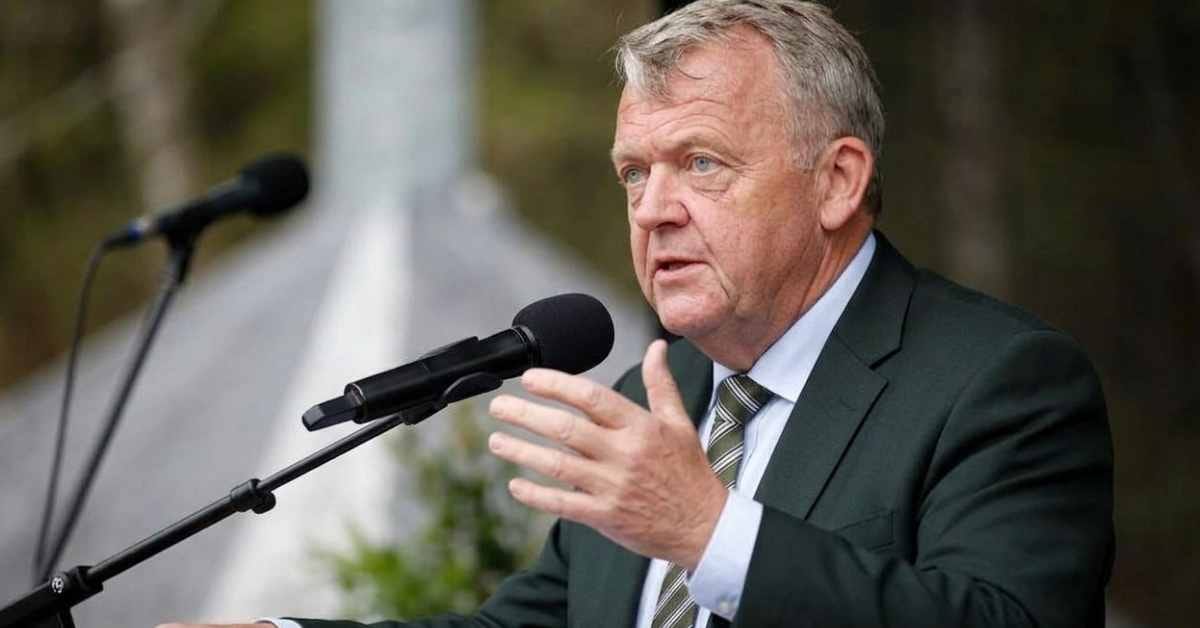
Foreign Minister Lars Løkke Rasmussen says Denmark’s effort to bring the UN refugee agency in as a monitor of future third-country return centers is progressing, following a meeting in New York.
Løkke met UN High Commissioner for Refugees Barham Salih at UN headquarters in New York on Wednesday, September 23. DR reports that the minister described the talks as extremely constructive. He said he had met a high commissioner who, like himself, is focused on protecting the international asylum system.
The Danish government wants an operational model in place before the end of 2027. Under that model, rejected asylum seekers and people without legal residence could be sent to a return center in a third country outside Europe. The file sits with Minister for Immigration and Integration Morten Bødskov, while Løkke describes his own role as that of a small diplomatic helper during this week’s UN General Assembly.

UNHCR open-minded, but with reservations
UNHCR chief spokesperson Matthew Saltmarsh wrote to Ritzau after the meeting that the organization has an open mind about taking part in a monitoring capacity. According to Saltmarsh, that position depends on safeguards being upheld. He stressed that UNHCR has not yet seen the details of how such centers would work in practice.
Saltmarsh said the agency has long supported the return of rejected asylum seekers when returns meet international standards. Per his statement, return centers should apply only to people whose protection claims have been finally rejected on the merits. That requires a fair and effective asylum process, including a right to appeal a first decision, and no other legal basis to remain in the EU.

Løkke said UNHCR involvement is tied to work underway among a smaller group of EU countries. Those countries are developing an EU legal framework for return centers. Concrete agreements with individual host countries would follow later.
According to the foreign minister, the aim is a concept that is not dependent on any single country. He said it is important to secure assurances that the model complies with Denmark’s international obligations and human rights. That is where UNHCR would be needed, for example to carry out monitoring.

Løkke also pointed to legal risk. He said there is a process risk and that lawyers will likely test the model in the courts. Having UNHCR involved as a guarantor on human rights aspects would make a major difference, he said.
The minister said he is not overselling the outcome. He drew a comparison with his own remarks in Washington on the Greenland case in January, noting that the Greenland agreement was concluded on Tuesday. Asked whether an agreement with UNHCR on monitoring could be ready in eight months, Løkke said he does not consider that entirely unrealistic.

Denmark’s plans for deportations outside the EU by 2027 remain at the framework stage, with no host country named at this point.