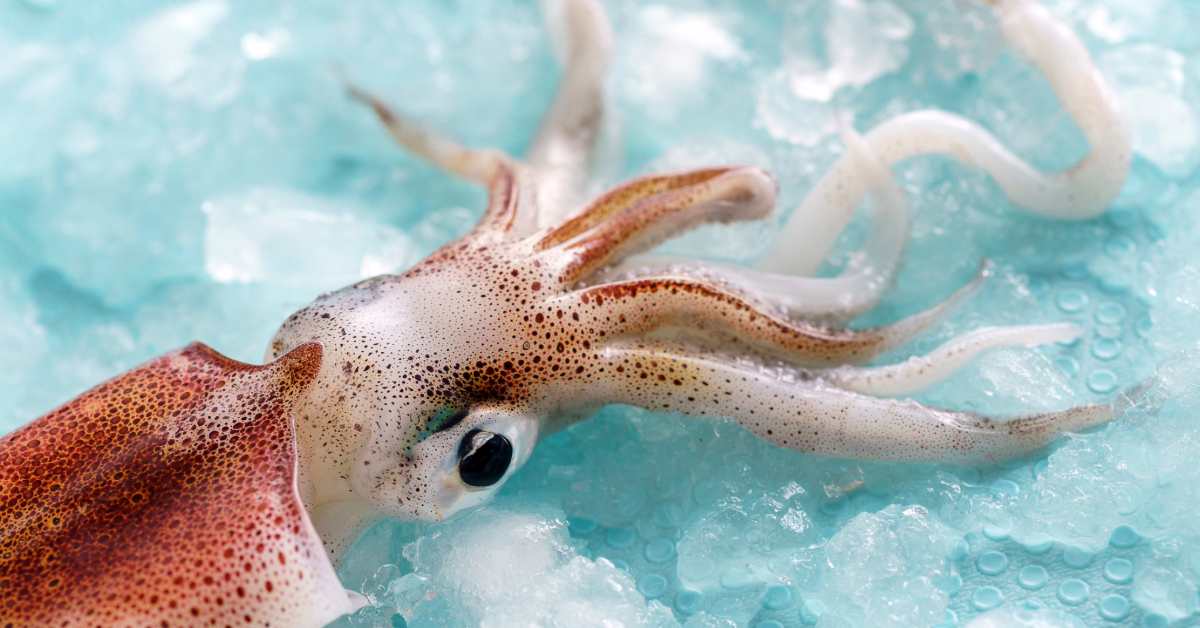
Rising sea temperatures in the North Sea appear to have sparked a surprising surge in squid catches. Danish fishermen have tripled their squid hauls within just one year, reshaping trade at coastal auctions and stirring curiosity about this new seafood trend.
Squid Catches Triple in Northern Waters
The amount of squid landed at the Hanstholm and Hirtshals fish auctions has tripled compared to last year. Several types and sizes of squid are being caught, with the largest and most valuable ones fetching up to 60 kroner per kilogram. Smaller specimens sell for about half that price, though retail costs are significantly higher.
According to experts from Jyllandsakvariet, higher water temperatures have made the North Sea and nearby waters like the Kattegat more comfortable habitats for squid. For Danish auctions, this influx is a profitable bonus to the regular fish trade, though ordinary consumers rarely see these creatures in local shops since most are exported to Southern Europe.

Squid Cannot Replace the Traditional Cod
At Hanstholm Fish Auction, this year’s squid sales have reached about 155,000 kilograms, a steep climb from roughly 50,000 the previous year. Even though the increased catch brings welcome income, it is not nearly enough to offset upcoming reductions in cod quotas for the North Sea and Skagerrak.
Cod remains a cornerstone for the Danish fishing industry and a favorite at dinner tables. While squid might serve as an interesting alternative, the sheer volume of cod consumption cannot be matched. Industry insiders believe other whitefish species—such as pollock, haddock, ling, and tusk—will more likely fill that gap in the market.
Different Species, Different Stories
Interestingly, Denmark lacks extensive research on squid species. However, German marine scientists at the Thünen Institute are following the trend closely. Many squid species have distinct biological traits; some have eight arms, others ten. Knowing exactly which types are appearing in the Skagerrak and North Sea is key to understanding why numbers are rising so quickly.
The current system does not separate squid species in Danish and Norwegian catches. Auctions simply classify them by size. The smallest are often used as bait for line fishing, while the largest are sold to gourmet restaurants in Southern Europe.
A Warmer Sea Means New Tastes Ahead
The growing presence of squid along Danish beaches can be observed firsthand. As the seas warm and more squid become available, experts believe local demand could increase. They see it as a sustainable alternative when more traditional species decline in number due to stricter quotas or changing ecosystems.
Squid is already familiar to many Danes in its fried form, known locally as calamari. Yet fresh squid might become a more common sight in restaurants and fish markets. For fishing businesses, this development brings fresh opportunities to diversify catches, especially when other species face regulatory or environmental challenges.

From Curiosity to Culinary Discovery
One Norwegian crew landing in Hanstholm recently decided to taste their own catch. Out of curiosity, they cleaned and cooked a few squid onboard. To their surprise, the flavor was far better than expected. That small experiment mirrored a broader discovery: squid can be both profitable at auction and delightful on the plate.
As temperatures in northern waters continue to rise, Denmark’s fishing industry is adjusting. The shift offers both opportunity and uncertainty. Whether squid will ever become as beloved as cod remains to be seen, but for now, there is no question that these soft-bodied newcomers have earned their place in fishermen’s nets.
Sources and References
The Danish Dream: Danish Salmonella Struggle – The Fight Continues
The Danish Dream: Best Fish Restaurants in Denmark for Foreigners
DR: Fishermen’s Catch of Squid from the Northern North Sea Has Tripled in a Year