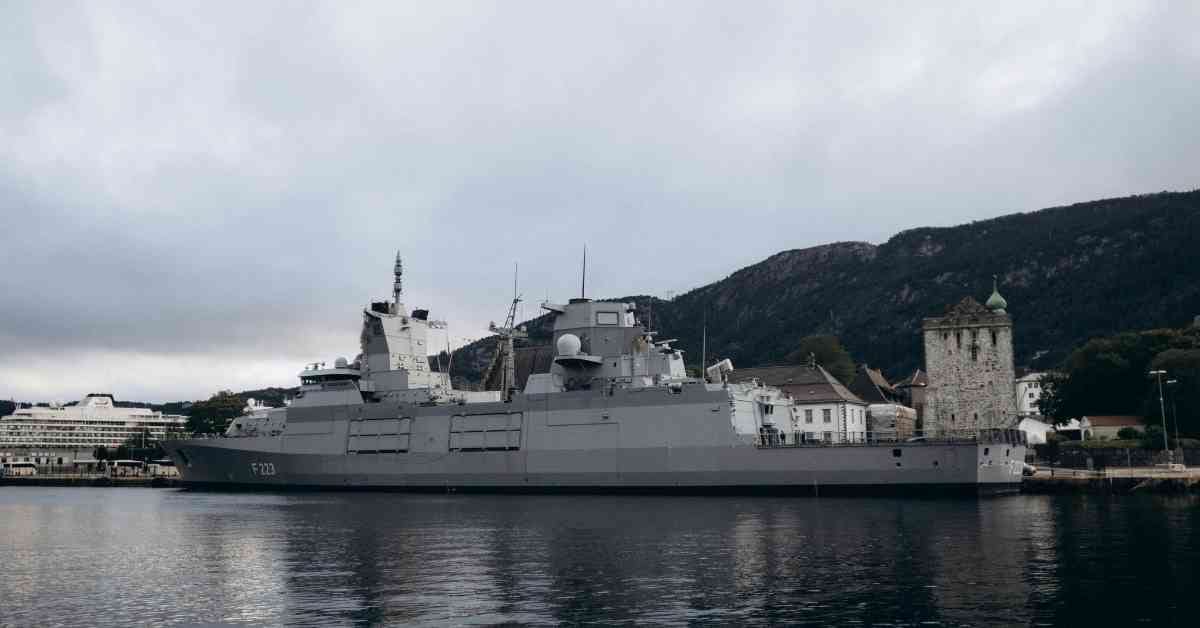
Russia has launched a large naval operation that divides the Baltic Sea, the Danish straits and the English Channel into patrol zones to protect its oil shadow fleet, according to DR’s investigative journalist Niels Fastrup. The account follows an incident in which a Russian frigate fired flares at a Danish military helicopter.
The operation was described on September 15 by DR, whose investigative journalist Niels Fastrup follows the Russian shadow fleet closely. Based on Nordic defense and intelligence sources, he says a Russian warship now sits more or less permanently in each zone.
The zones cover the Baltic Sea, the Kattegat, the Danish straits, the North Sea and the English Channel, per Fastrup. Their task is to deter NATO countries from boarding shadow fleet tankers.
The Danish incident involved a Royal Danish Air Force Fennec helicopter that was fired at with signal flares. As reported by the open-source monitoring group OSINT Baltic, the AS550 Fennec was on a routine mission to photograph a Russian frigate in international waters off Gedser, at the southern tip of Falster. Two flares were fired, one passing close to the aircraft, with no injuries or damage.

Shadow fleet at the center
The shadow fleet consists of older tankers that often sail under third-country flags. They are important for Russia’s sanctioned oil exports, which help finance the war in Ukraine. Several European countries try to stop the ships to check cargo, destination, ownership and insurance.
Fastrup says the escalation has grown steadily since NATO countries including Finland, Sweden and France began boarding shadow fleet tankers. Sweden has stopped several ships in the Baltic Sea, DR has reported. During boardings south of Trelleborg, the Swedish military has kept armed Gripen fighter jets airborne.

An earlier flashpoint came in May 2025, when Estonia tried to stop a tanker sailing under the flag of Gabon that was suspected of belonging to the shadow fleet. An Estonian naval vessel and a helicopter were met by Russian fighter jets. In April, the Estonian navy chief told Reuters that detaining suspected shadow fleet tankers carries too high a risk of military escalation.

Denmark has so far not stopped a suspected shadow fleet vessel. Under international conventions, Denmark is obliged to allow free passage through the shipping routes from the Baltic Sea through the Kattegat. Boarding a Russian tanker in the Great Belt or the Øresund would be extremely offensive, Fastrup says, because Moscow could present it as an attempt to close the Danish straits.

Russia also appears to be deliberately avoiding actions that could be read as a direct attack on a NATO country, Fastrup says. Such an act could trigger NATO’s Article 5, which obliges members to defend one another. In the helicopter case, he notes, real weapons could have been used instead of flares. The episode adds to Danish concerns about Russian hybrid activity and wider questions about Russia’s intentions toward NATO.