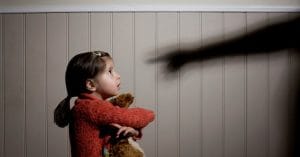
When fiction resembles reality too closely, writers risk crossing legal and ethical lines. Several well-known authors have faced backlash or lawsuits when readers saw themselves reflected in fictional characters.
Fiction Meets the Real World
In Denmark, a court case has reignited an old debate: how far may a writer go when inspired by real people? Author Thomas Boberg is facing a defamation lawsuit over his novel *Insula*. A local entrepreneur claims one of the book’s characters mirrors his life too closely. Both live on the same small island, and details like a luxury car and restaurant ownership overlap noticeably. Boberg insists that the story is fiction. A verdict is expected soon.
This is far from the first time such disputes have surfaced. From Hans Kirk and Hans Scherfig to Karl Ove Knausgård and even Hans Christian Andersen, the thin boundary between truth and imagination has long shaped literary history.

Hans Kirk and the Gjøl Controversy
Back in 1928, Danish writer Hans Kirk published *Fiskerne* (*The Fishermen*), inspired by the religious tensions in a small island community in the Limfjord. The novel’s location was unnamed, but locals immediately recognized it as Gjøl. Many believed Kirk had caricatured their lives, portraying conflicts between newcomers and the native residents. The uproar was intense, and copies of the book were even censored in private homes.
Despite the outcry, *Fiskerne* became one of Denmark’s most-read novels and was later adapted into a TV drama. Kirk’s experience became a classic example of how realism can offend those who see too much of themselves in fiction.
When Art Itself Becomes the Lawsuit
In another well-known Danish case, performance artist and author Claus Beck-Nielsen, also known under several pseudonyms, was sued by his former collaborator, Thomas Skade-Rasmussen (now Thomas Altheimer). The dispute centered on the novel *Suverænen* (*The Sovereign*), which used elements from their real travels together in the U.S. The book included private details about Rasmussen’s past, prompting him to sue both the author and publisher Gyldendal. The court ruled in favor of the writer, declaring the work fictional.
Interestingly, the line between fiction and art blurred further when Nielsen later officiated Altheimer’s wedding while dressed as a priest. Many still wonder whether the trial itself was part of a conceptual performance about reality versus illusion.

Knausgård and the Pain of Exposure
Norwegian author Karl Ove Knausgård’s six-volume series *My Struggle* turned his life into literature. With stark honesty, he described family, fatherhood, and his marriage, giving readers intimate access to private moments. That exposure, however, fractured his personal relationships. His former wife, author Linda Boström Knausgård, later published *October Child* to tell her side. The case reshaped the debate around “reality literature,” a term now common in Norway. For Knausgård, art and autobiography remain inseparable, though not without personal cost.
Teachers, Tyrants, and Memory
Few Danes forget Hans Scherfig’s *Det forsømte forår* (*The Lost Spring*). The 1940 novel portrayed brutal classroom discipline at a prestigious Copenhagen school. Readers quickly linked the setting to Scherfig’s own past at Metropolitan School. Teachers publicly denied being his inspiration, but others confirmed elements of truth. The story, later adapted to film, continues to represent institutional authority and the trauma of education gone too far.
Goethe’s Heartbreak and a Literary Scandal
The debate over inspiration versus intrusion stretches back centuries. In 1774, Johann Wolfgang von Goethe’s *The Sorrows of Young Werther* mirrored his own unrequited love for Charlotte Buff, who was engaged to another man. The novel made Goethe famous but also exposed private emotions. Some early critics even accused the author of moral corruption, claiming the story encouraged youthful despair. Despite controversy, Goethe’s work influenced generations, including Denmark’s beloved storyteller Hans Christian Andersen, who admired how literature could blend life and imagination.

Reality, Fiction, and the Writer’s Responsibility
Writers often draw inspiration from the world they know. The problem arises when audiences confuse depiction with documentation. While freedom of expression allows artistic interpretation, it also invites ethical reflection. From Kirk to Knausgård, their stories remind readers that fiction can feel uncomfortably true—and that recognition can become both a compliment and a curse.
Sources and References
The Danish Dream: Hans Christian Andersen – Danish Storyteller
The Danish Dream: Best English Courses in Denmark for Foreigners
DR: Hvor meget må en forfatter lade sig inspirere af virkelige mennesker? Her er 5 bøger, der har vakt