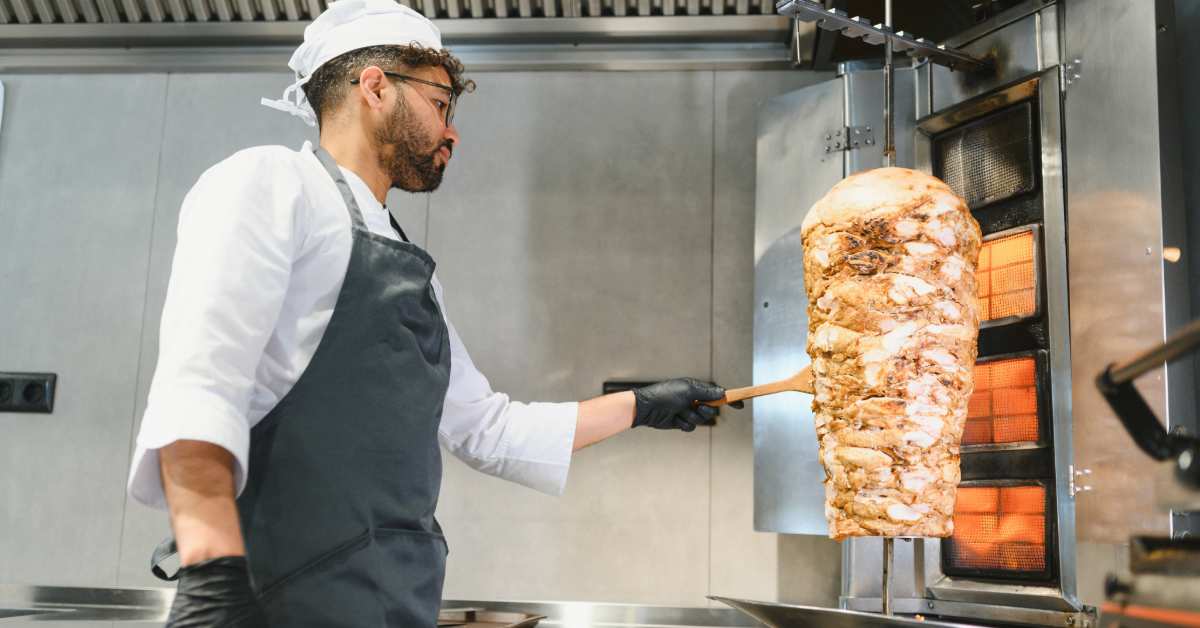
Danish food authorities have recalled a pre-cooked beef kebab product sold by online supermarket Nemlig, citing contamination concerns linked to a bankrupt Dutch meat supplier under investigation since January 2025.
I’ve been buying groceries in Denmark long enough to know that a food recall usually means something has gone seriously wrong in the supply chain. This time it’s a frozen beef kebab sold by Nemlig, and the backstory involves a Dutch supplier, regulatory failures, and a bankruptcy that left contaminated products in circulation across Europe.
The product in question is a 400-gram pre-cooked beef kebab from producer Heat’n Eat, sold through Nemlig from 2025 until now. The recall covers all packages with a best before date earlier than October 12, 2027. Nemlig is asking customers to either throw it away or return it for a refund.

A Dutch Supplier Under Surveillance
The recall was triggered when Nemlig’s supplier received word from Dutch authorities that their raw material producer, Esro Vlees B.V., had been under observation since January 2025. The company has since gone bankrupt. Dutch authorities declared products from Esro Vlees unfit for consumption under EU regulation 178/2002, article 14.
That article sets out the basic legal standard for food safety across the EU. When a product is deemed unfit, it means authorities believe it poses a risk to consumers, whether through contamination, mislabeling, or poor hygiene practices.
No Immediate Health Risk, But Trust Is Damaged
Nemlig’s press release states there is no immediate health risk because the kebabs were heat treated and meet microbiological safety criteria. Dutch authorities confirmed this. There’s also no indication that the meat contains anything other than beef.

Still, the product is being pulled. That tells me the issue is deeper than just bacteria counts. When authorities place a supplier under observation for months and then declare its output unfit, it usually means systemic problems in production, traceability, or hygiene. Even if the final product is technically safe after cooking, the origin is compromised.
For expats like me who rely on online grocery shopping to avoid Danish grocery prices, this is unsettling. Nemlig has built a reputation on convenience and quality. But this recall exposes how vulnerable even premium retailers are to weak links in the international supply chain.
What Shoppers Should Do
If you bought this product, don’t eat it. Contact Nemlig customer service at 70 33 72 33 or via email at kontakt@nemlig.com. They’ll arrange a refund or replacement. If you’ve already eaten it and feel unwell, contact your doctor.

This is standard advice in Danish food recalls. Fødevarestyrelsen, Denmark’s food safety authority, requires retailers to notify customers and remove affected products from sale. It’s a formalized process, but it only works if the company acts quickly and transparently.
The Bigger Picture
Denmark has strict food safety standards, but those standards depend on trust up the chain. When a supplier in the Netherlands fails, Danish retailers and consumers feel the impact. The fact that Esro Vlees stayed in operation for months while under investigation raises questions about enforcement in other EU countries.
I’ve seen recalls before, usually for salmonella in ground beef or plastic fragments in processed meat. This case is different because the contamination issue isn’t microbiological or physical. It’s institutional. A company under surveillance kept supplying meat until it went bankrupt. That’s a regulatory failure, not just a quality control slip.
For Nemlig, this is a reputational test. The company responded quickly and was transparent about the source of the problem. That’s the right move. But it also highlights a blind spot. Even when grocery prices push consumers toward cheaper imports, those savings come with hidden risks.
Sources and References
The Danish Dream: More Danes shop abroad as grocery prices climb at home
The Danish Dream: Danish grocery prices continue to increase in 2025
The Danish Dream: Why are Danish grocery prices rising fast
Ritzau: Tilbagekaldelse af Oksekebab (forstegt) 400 g/frost