Missing school doesn’t just hurt kids today. It costs them 92,000 kroner a year in lost income as adults, according to new research that puts a stark price tag on Denmark’s soaring absence crisis.
I’ve been writing about Danish schools for years now. The headlines cycle through the same problems: too much testing, too little inclusion, burned out teachers, miserable kids. But this week’s analysis from the Prevention Alliance, commissioned by pension company Danica, cuts through the noise with a number that’s hard to ignore: 3 million kroner. That’s what students with high absence rates lose over a working lifetime compared to their peers who showed up.
The analysis tracked students with more than 10 percent absence in primary school into adulthood. By age 30, they earn around 61,000 kroner less per year. By 50, the gap widens to 92,000 kroner annually. The reason? Lower education levels and weaker attachment to the labor market. What starts as a child missing weeks of school ends as an adult stuck on the margins of working life.
Over 110,000 Kids Are Missing Too Much School
Denmark has a serious absence problem. Around 22 percent of primary school students now miss more than 10 percent of the school year. That’s roughly 110,000 children. Some miss far more: approximately 11,000 students were absent for the equivalent of three months or more during the 2023/24 school year.

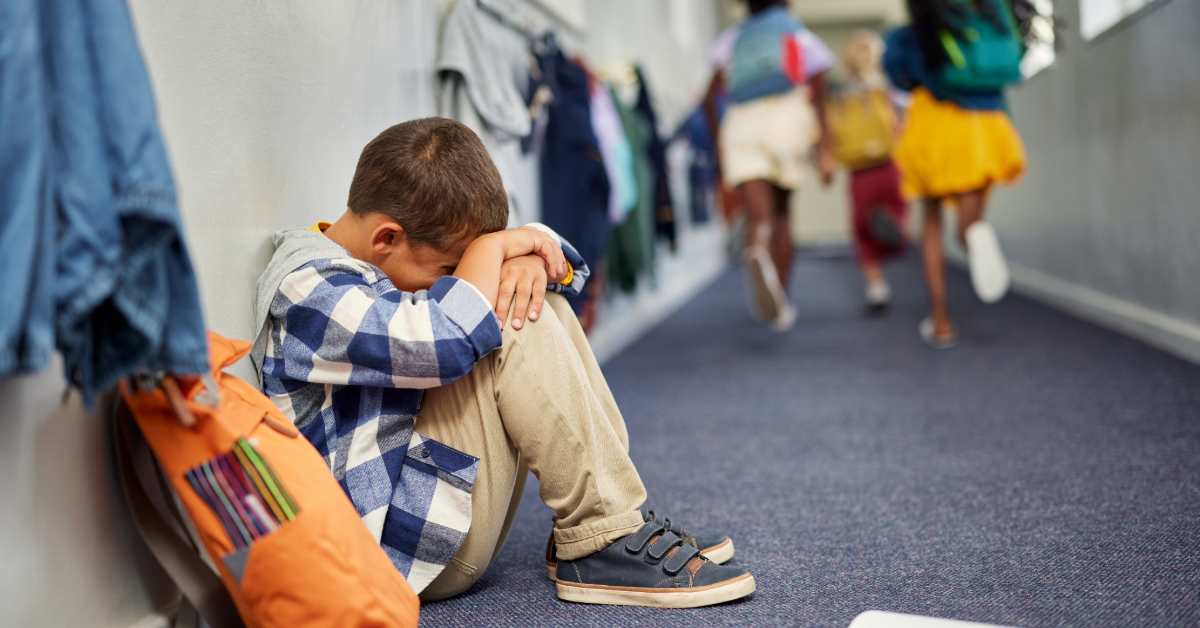
These aren’t just sick days or family holidays. We’re talking about prolonged absences driven by anxiety, bullying, undiagnosed disorders, or simply giving up. Teachers report that two out of three have students with worrying absence patterns linked to mental health or social struggles. The system catches them late, if at all.
I’ve spoken to expat parents navigating this. One told me their child, diagnosed with autism, stopped going to school because the classroom was too chaotic. The school offered sympathy but no real solution. The family applied for child psychiatric help. The wait was eight months. Meanwhile, the parent quit their job to stay home. The municipality paid compensation for lost income, which now costs Danish taxpayers 2.5 billion kroner annually, up from 1.5 billion just five years ago.
Why Are So Many Kids Staying Home?
The reasons are tangled. Mental health issues like anxiety and depression are rising. So are diagnoses of ADHD and autism. But system factors matter just as much. Denmark’s inclusion policy pushed most special needs students into regular classrooms without adequate support. Class sizes grew. Resources shrank. Schools scrambled to adapt, often failing.
Teachers describe classrooms where a handful of students need intensive one on one support that simply isn’t available. Other kids feel neglected or disrupted. Some stop coming. Parents pull them out. The school refers the family to PPR, the municipal educational psychology service. PPR has a waiting list. The cycle continues.
Mikkel Lykke Larsen, spokesperson for the Prevention Alliance, put it bluntly: “School absence isn’t just a phase. It sets the trajectory for a lifetime.” He’s right. But the question is whether Denmark’s political class will invest in fixing the underlying problems or just keep counting the cost.
What’s Being Done About It?
Parliament debated a proposal last year for a national action plan against high absence and school refusal. Politicians agreed the numbers are alarming. They disagreed on solutions. Some want more psychologists and special education staff. Others want stricter enforcement and parental sanctions. A new national knowledge center is being set up to gather best practices and support municipalities.
But here’s the thing: Denmark already knows what works. Early intervention. Smaller classes. More special ed resources. Better collaboration between schools, social services, and health care. The problem isn’t knowledge. It’s political will and money. And right now, municipalities are paying billions in lost income compensation instead of investing in prevention.
The Long Shadow of Missing School
From where I sit, the 92,000 kroner figure is both useful and troubling. Useful because it forces a conversation about consequences. Denmark can’t afford to lose a generation of kids to absence and anxiety. Troubling because it reduces children to future taxpayers. The real tragedy isn’t lost GDP. It’s the kid who never gets the help they need.
Living here as an expat, I’ve watched Denmark wrestle with this tension. The welfare state promises support for everyone, but the cracks are widening. If your child can’t cope with school, you’re often on your own. You might get compensated for staying home with them, but that’s a band aid, not a solution.
The analysis makes one thing clear: what happens in primary school doesn’t stay in primary school. It follows you into adulthood, into your pay slip, into your life chances. Denmark likes to think of itself as a country that invests in children. The absence numbers suggest otherwise.
Sources and References
The Danish Dream: Schools in Denmark add breaks to curb rising absenteeism
The Danish Dream: Schools in Denmark struggle with inclusion and violence
The Danish Dream: Psych ward closure leaves hundreds of kids waiting
Ritzau: Skolevægring skærer 92,000 af din årsløn som voksen