Exploring the Rich History of Tønder Museum
Key Points:
- Tønder Museum’s Cultural Significance: The museum plays a key role in preserving the region’s history, art, and craftsmanship, with a collection of over 20,000 artifacts that highlight Tønder’s rich cultural heritage.
- Dedicated to Danish Art and Design: It features a notable collection of works by Hans Christian Wegner, showcasing his influence on Danish modern furniture design, and celebrates regional artistic contributions.
- Art, Silverware, and Heritage Exhibitions: Visitors can explore diverse art collections and specially curated silverware displays that reflect Tønder’s historic craftsmanship and artistic legacy.
- Practical Visiting Tips and Amenities: The museum is open year-round, offers affordable entry, guided tours, a cafe, gift shop, and accessibility features to ensure a comfortable visitor experience.
- Nearby Attractions and Cultural Engagements: Including the picturesque town streets and Wadden Sea National Park, the museum encourages exploring the broader regional natural and cultural landscape.
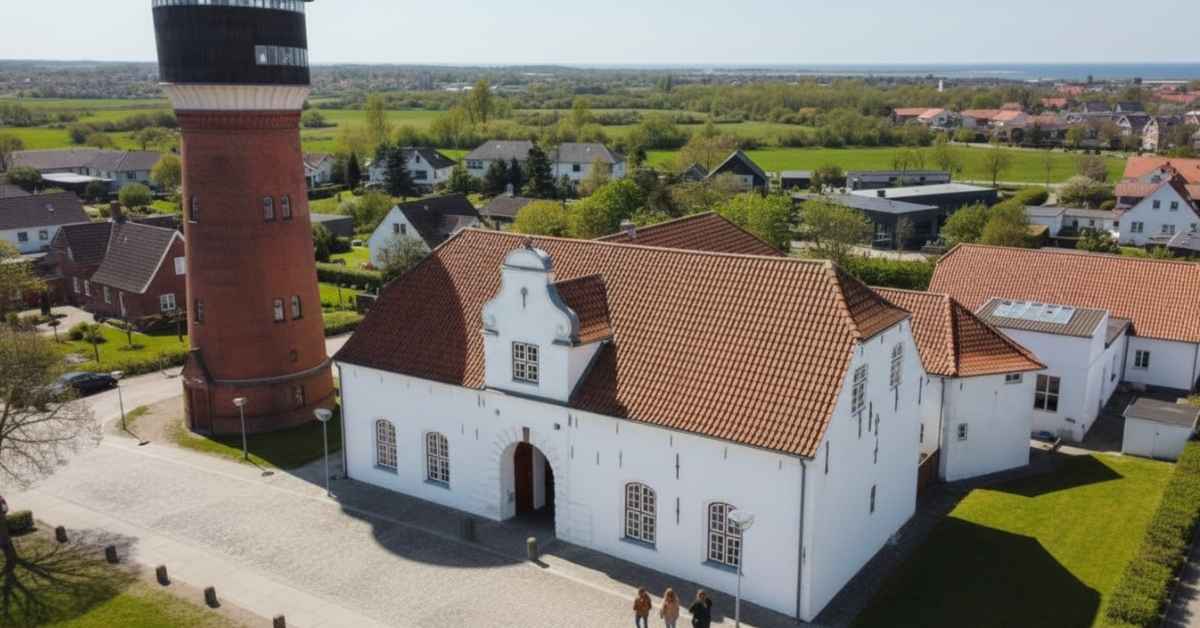
Nestled in the picturesque town of Tønder in the southern region of Denmark, Tønder Museum stands as a testament to the region’s cultural and historical heritage. As an integral part of the Museum Sønderjylland network, Tønder Museum invites visitors to step into a world where the past and present converge, offering a comprehensive glimpse into the local history, art, and craftsmanship that has shaped this enchanting area. With an extensive collection of artifacts and exhibits, Tønder Museum serves as a vital cultural hub, preserving the story of a region rich in tradition and artistic innovation.
The Historical Significance of Tønder Museum
The importance of Tønder Museum lies in its role as a custodian of the history and cultural identity of the Tønder region. Established in 1923, the museum has grown to become an essential destination for history enthusiasts and art aficionados alike. Housing a vast collection of over 20,000 artifacts, the museum offers an enlightening journey through time, showcasing everything from prehistory to contemporary art.

One of the museum’s most significant features is its dedication to chronicling the life and work of renowned Danish artist Hans Christian Wegner. Often referred to as the “Master of the Chair,” Wegner was a pivotal figure in the Danish modern furniture movement. Tønder Museum proudly hosts an extensive collection of his works, including over 30 pieces of furniture, which illustrate his groundbreaking approach to design and craftsmanship. This dedication to honoring Wegner’s legacy reinforces the institution’s commitment to celebrating Denmark’s rich history of influential art and design.
A Showcase of Unique Art and Craftsmanship
Tønder Museum offers visitors a multifaceted experience through its various permanent and temporary exhibitions. One of the highlights of the museum is the permanent exhibition dedicated to silverware. This collection features exquisite pieces of both contemporary and historical silverwork, reflecting Tønder’s significance as a historic center of gold and silversmithing. Visitors can admire the skill and artistry behind these creations, gaining insight into a craft that has defined the region for centuries.
In addition to the silverware collection, Tønder Museum also boasts a diverse range of artworks, including paintings and sculptures by both local and internationally recognized artists. The museum’s curators carefully select pieces that resonate with the museum’s overarching themes of creativity, culture, and history, ensuring that each visit offers a fresh perspective on the region’s artistic legacy.
Preserving Local Culture and Traditions
Beyond its impressive collections of art and craftsmanship, Tønder Museum is committed to preserving and promoting the unique cultural traditions of Southern Jutland. The museum places a strong emphasis on folklore, exploring the rich tapestry of stories, music, and customs that have shaped the community over generations. Through interactive exhibits and educational programs, visitors are invited to immerse themselves in the vibrant cultural heritage of Tønder, gaining a deeper understanding of the region’s enduring identity.
Moreover, Tønder Museum regularly hosts workshops and events that engage local communities and foster a deeper appreciation for traditional crafts. These initiatives not only highlight the ongoing relevance of age-old skills but also inspire a new generation to embrace their cultural heritage. By actively involving the community in its exhibitions and activities, Tønder Museum strengthens the connection between past and present, ensuring that the traditions of Tønder remain vibrant and alive.
An Unmissable Destination
Tønder Museum stands as a beacon of cultural preservation, offering an unparalleled opportunity to explore the artistic and historical treasures of Southern Jutland. Its dedication to showcasing the region’s rich heritage is evident in its well-curated collections and engaging exhibitions. As visitors wander through the museum’s halls, they embark on a captivating journey through time, discovering the stories and events that have shaped this charming corner of Denmark.
Whether you have a passion for art, an interest in history, or an appreciation for Danish design, Tønder Museum promises an enriching and enlightening experience. It is a place where the past comes to life, inviting visitors to connect with the fascinating narrative of Tønder’s cultural evolution.
Practical Guide to Visiting Tønder Museum
When planning a visit to Tønder Museum, there are several important factors to consider to ensure a meaningful and enjoyable experience. This section provides information on how and when to visit, as well as essential tips to enhance your journey through this remarkable cultural institution.
Location and Opening Hours
Tønder Museum is conveniently located in the heart of Tønder town, making it easily accessible by multiple modes of transportation. The exact address is Wegners Plads 1, 6270 Tønder, Denmark. The museum is approximately 75 kilometers from the nearest major city, Esbjerg, and well-connected by public transport options, such as trains and buses.
The museum is open year-round, welcoming visitors Tuesday through Sunday, from 10:00 AM to 4:00 PM. It remains closed on Mondays, as well as certain public holidays, so it is wise to check the museum’s official website before planning your visit to ensure there are no unexpected closures.
Admission and Booking Information
Admission fees to Tønder Museum are very reasonable, with adults charged around 60 DKK (Danish Kroner), while children under the age of 18 enjoy free entry, making it an affordable outing for families. The museum also offers discounted rates for students, seniors, and groups, ensuring that all visitors have the opportunity to explore its vast collections.
If you are particularly keen on avoiding crowds and maximizing your visit, consider arriving early in the morning when the museum opens, as this is typically a quieter time. Booking tickets in advance online is advisable, particularly for groups or during peak tourist seasons, to ensure a smooth, hassle-free entry.
Planning Your Visit
To fully appreciate the depth and breadth of Tønder Museum’s collections, allow at least two to three hours to explore the various exhibits. Begin by visiting the dedicated Hans Christian Wegner gallery, where you can admire the unique designs and craftsmanship of one of Denmark’s most celebrated designers. Then, proceed through the museum’s other thematic exhibitions, such as the renowned silverware collection, which highlights Tønder’s historical significance in crafting fine silver pieces.
The museum provides informative brochures and audio guides in multiple languages, enhancing your understanding of the exhibits. Taking advantage of these resources is highly recommended, especially if you are unfamiliar with the region’s history and cultural context.
Visitor Amenities and Accessibility
Tønder Museum ensures a comfortable visit by offering a range of visitor amenities. The museum cafe is a wonderful spot to take a break, offering light refreshments and traditional Danish pastries that provide a taste of local flavors. Additionally, a gift shop provides an array of souvenirs, from unique handcrafted items to literature on the region’s history, allowing you to take home a piece of Tønder’s cultural heritage.
Accessibility is a priority at Tønder Museum, ensuring that everyone can enjoy its offerings. The museum exhibits are wheelchair accessible, and staff members are on hand to provide assistance and answer any questions. Special guided tours for those with mobility challenges can also be arranged upon prior request.
Nearby Attractions and Day Trips
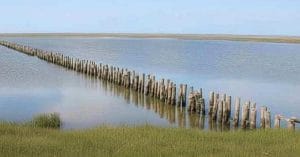
Consider extending your visit to the Tønder region by exploring other nearby attractions and natural landmarks. The charming town itself is worth a stroll, offering picturesque streets lined with traditional Danish architecture and quaint shops. Additionally, the nearby Wadden Sea National Park, a UNESCO World Heritage Site, is just 50 kilometers away and offers breathtaking natural beauty and opportunities for birdwatching and hiking.
By planning ahead and making the most of the wealth of resources and amenities available, you can ensure that your visit to Tønder Museum is both enjoyable and enriching. Whether you are drawn by the art, the history, or the stories of this fascinating region, Tønder Museum promises a captivating experience for all ages.
Conclusion: Discovering Tønder Museum
Tønder Museum stands as a quintessential destination for those eager to delve into Denmark’s rich cultural tapestry. With its extensive collections showcasing the artistic and historical heritage of Southern Jutland, the museum not only highlights the region’s past but also celebrates its contributions to the world of art and design. By preserving and promoting Tønder’s unique traditions, Tønder Museum serves as a bridge between the past and present, offering visitors a comprehensive view of the region’s evolution.
Summary
– Tønder Museum is a vital cultural hub, dedicated to preserving the history and craftsmanship of Tønder and Southern Jutland.
– The museum houses an extensive collection of over 20,000 artifacts, including exhibits on the famous Danish designer Hans Christian Wegner.
– Visitors can explore a rich array of artwork, silverware, and historical artifacts that highlight the region’s artistic contributions.
– Open year-round, the museum is accessible and affordable, with discounts available for several visitor categories.
– The museum is equipped with amenities such as a cafe and gift shop, and it is accessible to visitors with mobility challenges.
Frequently Asked Questions (FAQ) about Tønder Museum
1. What is the best time to visit Tønder Museum?
The best time to visit is in the morning when the museum opens at 10:00 AM, as it tends to be less crowded. This allows for a more leisurely exploration of the exhibits.
2. Is Tønder Museum suitable for children?
Yes, Tønder Museum offers a family-friendly environment. Children under the age of 18 receive free admission, and there are exhibits and activities that can engage younger visitors.
3. Are guided tours available at the museum?
Yes, the museum offers guided tours that provide in-depth insights into the exhibits and collections. It’s advisable to book these tours in advance, especially if visiting with a group.
4. How can I purchase tickets for Tønder Museum?
Tickets can be purchased at the museum entrance, but it is recommended to buy them online through the museum’s official website to ensure availability, especially during busy periods.
5. What other attractions are nearby?
In addition to exploring the town of Tønder itself, visitors can take a short trip to the Wadden Sea National Park, a UNESCO World Heritage Site located nearby, offering stunning natural landscapes and wildlife experiences.
6. Is photography allowed inside the museum?
Yes, photography is generally permitted in most areas of the museum for personal use. However, flash photography and tripods may be restricted in certain exhibits, so it is good practice to check with the museum staff.
7. Are there any dining options available at Tønder Museum?
The museum features a cafe where visitors can enjoy light refreshments, traditional Danish pastries, and drinks, making it a convenient spot to relax during your visit.
8. Does the museum have accessibility features?
Yes, Tønder Museum is wheelchair accessible, and the staff is available to assist visitors with mobility challenges. Special tours and services can be arranged upon request to accommodate specific needs.
9. What languages are the tours and materials available in?
The museum provides information in multiple languages, including English and German, through brochures and audio guides, ensuring that international visitors can fully appreciate the exhibits.
10. Can I host events or educational programs at the museum?
Yes, Tønder Museum is open to hosting educational programs, workshops, and special events. Interested parties should reach out to the museum’s administration to discuss requirements and availability.