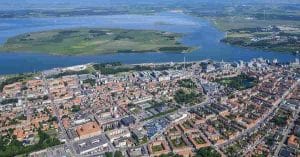
Discovering the Charm of Kalundborg Medieval Town
Key Points:
- Kalundborg’s Medieval Charm: Nestled on Zealand’s coast, Kalundborg is renowned for its well-preserved medieval architecture and rich history, making it a captivating destination for cultural enthusiasts.
- Historical Roots and Town Layout: Founded in the 12th century as a trade hub, Kalundborg’s star-shaped ‘Kalundborg Plan’ layout reflects its medieval strategic and spiritual significance.
- Architectural Highlights: The Church of Our Lady, with its five towers, is a unique medieval architectural masterpiece, complemented by historic streets and buildings that tell of prosperity.
- Cultural and Economic Impact: Preserving its medieval heritage attracts tourists and supports local businesses, while medieval fairs and events keep its history alive.
- Best Visiting Practices and Tips: Visit during late spring to early autumn for mild weather and festivals; explore on foot, book guided tours, and respect heritage sites for an enriching experience.
Nestled on the northwestern coast of Zealand, Denmark’s largest island, lies the enchanting town of Kalundborg. Known for its remarkable medieval architecture and rich historical tapestry, Kalundborg has earned a prized place in Denmark’s cultural heritage. With its well-preserved medieval town center, this charming locale offers visitors a captivating glimpse into the past, making it a must-visit destination for history enthusiasts and cultural explorers alike.
The Historical Significance of Kalundborg Medieval Town
Kalundborg is well known for its medieval roots, which are deeply etched into the town’s streets and structures. The town’s origin dates back to the 12th century, a time when it emerged as a strategic mercantile hub due to its prime location on the coast. Its geographical advantage provided easy access for trade across the Danish archipelago and beyond to continental Europe. The medieval town flourished as a center for trade and commerce during the Middle Ages, contributing significantly to its development and architectural grandeur.
One of the most emblematic features of Kalundborg is its unique town layout, known as the “Kalundborg Plan.” Designed as a perfect pentagon, this distinctive star-shaped arrangement centered around a citadel is thought to symbolize both religious and military influences prevalent during its construction. This geometric precision underscores the significance of defense and spirituality in medieval town planning, highlighting Kalundborg’s dual role as a bastion of both faith and fortification.
Architectural Marvels of Kalundborg
The medieval town is renowned for its architectural gems, with the Church of Our Lady, or Vor Frue Kirke, standing as its crown jewel. Constructed in the early 13th century, this five-towered church is a masterpiece of medieval architecture, boasting Romanesque influences with Gothic additions. Its five-towered design is unique in Scandinavia, with the central tower symbolizing Christ and the surrounding four towers representing the authors of the Gospel. This architectural marvel not only serves as a place of worship but also as a testament to the ecclesiastical power and aesthetic vision of the period.
Besides the church, the medieval essence of Kalundborg is preserved in its well-maintained narrow cobblestone streets, age-old merchant houses, and remnants of ancient city fortifications. The historical parish of Højbyen, or “The High Town,” stands today as a living museum of the past, with timber-framed buildings and red-brick structures that tell tales of prosperity and resilience. These buildings, some dating back over 700 years, enhance the town’s picturesque atmosphere and provide a tangible connection to its storied past.
Cultural and Economic Impact
The preservation of Kalundborg’s medieval town not only appeals to those interested in history and architecture but also serves as a significant cultural and economic catalyst. Every year, the town attracts thousands of tourists eager to step back in time and explore its historical wonders. This influx of visitors has spurred the growth of local businesses, including quaint cafes, boutique hotels, and artisan shops, thus supporting the community’s economy and fostering a renewed appreciation for local crafts and traditions.
Kalundborg also plays host to a variety of cultural events that celebrate its medieval heritage. Medieval fairs and historical reenactments transport visitors to a bygone era, offering immersive experiences that highlight the town’s rich legacy. Such events not only draw crowds but also engage locals in preserving and promoting their heritage, creating a vibrant dialogue between the past and present.
In conclusion, the medieval town of Kalundborg stands as an evocative echo of Denmark’s rich history, capturing the imaginations of those who visit with its unparalleled architectural splendor and historical depth. The town remains an important touchstone for understanding the region’s medieval spirit, offering rich insights into the lives and legacy of its bygone inhabitants as well as continuing to shape the cultural and economic landscape of the area today.
How and When to Visit Kalundborg Medieval Town
Visiting Kalundborg Medieval Town is like stepping into the pages of a history book. The combination of its unique historical charm and captivating architectural wonders makes it an attractive destination for both casual tourists and history enthusiasts. To make the most of your visit, there are a few logistics and tips to consider, ensuring a memorable and enriching experience.
Best Time to Visit Kalundborg
Kalundborg can be enjoyed year-round, but the best time to visit is during the late spring to early autumn months (May to September). During this period, the weather in Denmark is generally mild and pleasant, with average temperatures ranging from 15 to 22 degrees Celsius (59 to 72 degrees Fahrenheit). The longer daylight hours also provide ample time to explore the outdoor attractions and immerse yourself fully in the town’s medieval atmosphere. Additionally, during this time, various cultural events and festivals take place, offering added entertainment and opportunities to experience the local culture firsthand.
Reaching Kalundborg Medieval Town
Kalundborg is conveniently accessible by both train and car, situated approximately 110 kilometers (about 68 miles) from Denmark’s capital, Copenhagen. The Danish railway system, known for its efficiency and comfort, offers regular services to Kalundborg from Copenhagen Central Station, with travel times averaging just over an hour and a half. Alternatively, driving to Kalundborg allows for more flexibility, offering the chance to enjoy the scenic Danish countryside along Route 23.
Exploring the Town
Upon arrival, exploring the medieval town can best be done on foot to fully appreciate its intricate details and historic ambiance. Start your journey in Højbyen, where cobbled streets and historic buildings set the stage for a genuine medieval experience. Don’t miss the Church of Our Lady with its stunning architecture and breathtaking views from the churchyard.
For a leisurely exploration, consider taking a guided walking tour. Offered by local tour operators and the Kalundborg Tourist Information Office, these tours provide in-depth insights into the town’s history, architecture, and cultural significance, enriching your visit with stories and facts often overlooked when exploring independently.
Accommodation and Dining
Kalundborg offers various accommodation options to suit different preferences and budgets, ranging from cozy bed and breakfasts and charming boutique hotels to more modern lodgings. Staying within the old town allows for easy access to its attractions and offers the added benefit of enjoying the town’s ambiance after day trippers have departed.
[elementor-template id=”36828″]Dining is a delightful affair in Kalundborg, with numerous restaurants and cafes offering both traditional Danish cuisine and international fare. Try local Danish specialties such as “smørrebrød” (open-faced sandwiches) and freshly caught fish dishes, which are culinary highlights not to be missed.
Practical Tips for a Smooth Visit
– Wear Comfortable Shoes: With its cobbled streets and numerous historical sites to explore, comfortable footwear is essential for making the most of your walking tour.
– Understand Local Customs: While most Danes speak excellent English, learning a few Danish phrases can enhance your interactions and show appreciation for the local culture.
– Plan Ahead for Events: If your visit coincides with one of Kalundborg’s medieval fairs or festivals, it’s advisable to book accommodations in advance, as these events can attract significant crowds. Additionally, entrance to certain events may require tickets or prior reservations.
– Respect Heritage Sites: As with any historical destination, it’s important to respect the local heritage, buildings, and artifacts. Avoid touching delicate structures and take only photographs to ensure these treasures are preserved for future generations.
Visiting Kalundborg Medieval Town is more than just a journey through time; it’s an opportunity to connect with Denmark’s storied past amidst stunning surroundings. With a little preparation, you can fully embrace the magic of this captivating medieval enclave.
Conclusion
Kalundborg Medieval Town is a gem of Denmark’s historical landscape, offering visitors an extraordinary journey back in time. Renowned for its rare pentagonal town layout and the iconic five-towered Church of Our Lady, the town serves as a vital beacon of medieval artistry and architecture. As you stroll through its charming streets, the well-preserved structures, vivid cultural heritage, and vibrant local community invite you to explore and immerse yourself in the fascinating tapestry of history. A visit to Kalundborg is not just a trip; it’s a cultural odyssey that bridges the past with the present, leaving every visitor enriched with its timeless allure.
Summary
– Kalundborg Medieval Town is situated on Zealand’s northwestern coast, celebrated for its medieval heritage and distinct archaeological designs.
– The town’s unique pentagonal layout and the Church of Our Lady are central highlights, echoing its historical and architectural significance.
– Visitors can best experience the town from late spring to early autumn for optimal weather and cultural festivities.
– Conveniently accessible from Copenhagen by train or car, Kalundborg is perfect for day trips or extended stays.
– Local guided tours provide deeper insights into its storied past while adding depth to the visitor experience.
– Dining and accommodation options abound, presenting a mix of cozy and charming choices that complement the historical experience.
Frequently Asked Questions (FAQ) about Kalundborg Medieval Town
1. What makes Kalundborg Medieval Town unique?
Kalundborg is unique because of its rare pentagonal town layout and distinctive five-towered Church of Our Lady, setting it apart as an architectural marvel steeped in history.
2. How can I reach Kalundborg from Copenhagen?
Kalundborg can be reached by train from Copenhagen Central Station with a travel time of about 1.5 hours. Alternatively, visitors can drive along Route 23, enjoying a scenic journey through Denmark.
3. Is there an entrance fee to explore Kalundborg Medieval Town?
There is no entrance fee to explore the town itself. However, specific attractions, like guided tours or cultural events, may require tickets or fees.
4. Are there guided tours available, and do I need to book in advance?
Yes, guided tours are available and offer a detailed exploration of the town’s history and landmarks. It’s advisable to book in advance, especially during peak tourist seasons, to secure your spot.
5. What are the must-see attractions in Kalundborg?
The must-see attractions include the Church of Our Lady, the historical streets of Højbyen, and local museums which provide context and depth to the town’s rich history.
6. What should I know about local customs when visiting?
Danes appreciate respectful visitors. While most speak English, learning basic Danish greetings can enhance your cultural experience. Also, be mindful to respect heritage sites and traditions.
7. Are events and festivals a good reason to plan my visit?
Absolutely! Planning your visit to coincide with medieval fairs or cultural festivals can enhance your experience, offering engaging insights into the town’s history and traditions.
8. How many days should I plan for my visit to Kalundborg?
A day trip can cover the major sights, but staying overnight allows you to experience the town’s ambiance in a more relaxed manner and explore at a leisurely pace.
9. Can I find accommodations within the medieval area?
Yes, there are charming and comfortable accommodations within or near Kalundborg’s medieval area, offering convenience and an immersive historical stay.
10. Is Kalundborg Medieval Town family-friendly?
Yes, the town is family-friendly, with plenty of walking areas and open spaces to explore, offering educational and engaging experiences for visitors of all ages.