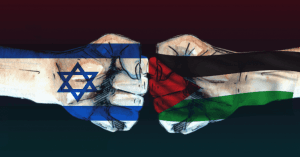
Denmark’s Gaza solidarity flotilla Handala II is backed by Danish activists, but donations are routed through a Norwegian bank account at DNB Bank ASA in Oslo, creating a cross-border legal structure that most supporters in Denmark never see in the diary entries and speeches back home.
When Danish activists share their reflections from the Handala II campaign on Arbejderen, they write about neighbors, colleagues, and everyday solidarity. The ship Handala has become a symbol of resistance to Israel’s blockade of Gaza, which Arbejderen describes as an illegal blockade. But behind the personal narratives lies a hard operational fact. According to Ship to Gaza Norway, fundraising runs through account number NO74 1503 1833 598 at DNB Bank ASA in Oslo. Campaign materials present the vessel as Norwegian-based, and if the ship is Norwegian-registered, Norwegian maritime law would apply alongside international rules.
This matters. For internationals living in Denmark who donate or help organize, Handala II is not just a protest. It is a cross-border operation in which supporters in Denmark are invited to donate to a Norwegian bank account, meaning their contributions are processed in Norway rather than Denmark. Danish residents send funds abroad. The ship’s legal framework, if Norwegian-registered, would sit under Norwegian regulators. If Israeli forces intercept the flotilla, states whose citizens are on board would handle consular assistance, and the flag state would likely be involved diplomatically regarding the ship. Denmark provides the activists and much of the public energy, but key parts of the legal scaffolding sit elsewhere.
Why Norway handles the cross-border risk
Nordic flotilla campaigns have repeatedly chosen flags and banks from states perceived as stable and rights-oriented. Norwegian registration is seen by campaign supporters as offering robust legal protection, though that assessment reflects activists’ reasoning rather than an independently verified standard. For Handala II, DNB Bank in Oslo processes donations from supporters in Denmark and other countries. According to Ship to Gaza Norway, the published banking details include full international identifiers: IBAN NO74 1503 1833 598, BIC DNBANOKKXXX, and the bank’s address at Postboks 1600 Sentrum, N-0021 Oslo.
Danish organisers operate from Frederiksborgvej 11 in Copenhagen. But donations flow through Norway. Both Norwegian and EU financial regulation and Danish law can apply to donors and organisers, depending on their role and residence. Any legal questions about donations, sanctions compliance, or terrorism financing listings may involve multiple frameworks, including Danish ones.
The expat angle few talk about
For non-Danish residents in Denmark, joining Handala II carries specific risks. Donating to a foreign account in support of a campaign challenging Israel can trigger financial compliance checks, especially for those working in finance or government. Boarding the vessel or taking an operational role means entering a zone of potential naval confrontation. Some states’ travel advisories warn against travel to or near Gaza and high-risk maritime areas.
Denmark does not track how many foreign nationals participate in Gaza solidarity flotillas. According to Statistics Denmark’s StatBank FOLK1A, population data are recorded by citizenship and origin, including Palestinian and Israeli nationals, but not by political activity. What is clear is that consular support varies by nationality. An EU passport holder faces different risks than a non-EU resident. If Israeli forces detain participants, each detainee’s own government would provide consular assistance, while Norway, if the vessel is Norwegian-flagged, would likely be involved diplomatically regarding the ship itself.

Previous flotilla efforts, including the 2010 Mavi Marmara incident, showed how quickly symbolic activism can turn into international crises. Nine activists died when Israeli commandos stormed that ship. The Handala campaign uses transparent banking through a major Scandinavian institution. But transparency does not eliminate risk.
What the diaries do not say
The “Dagbog fra Handala II” series on Arbejderen focuses on personal reflection. Contributors talk about starting conversations with neighbors and colleagues. They frame boycotts and workplace mobilization as everyday acts of solidarity. The tone is intimate and accessible. But in the diary entries reviewed, activists focus on personal experiences, and the vessel’s legal status and banking arrangements receive little attention.

That gap between narrative and infrastructure is where internationals in Denmark can stumble. What looks like a local solidarity initiative is actually a multi-state operation. Danish energy and fundraising meet a Norwegian banking and legal structure. The result is a campaign that spreads its exposure across jurisdictions. For participants, that means potential legal scrutiny in Denmark, Norway, and their own home countries.
Practical steps for expats
Internationals who support Handala II should treat it as cross-border activism. Keep records of all donations, including amounts and dates. Check your country’s travel advisories for Israel and Palestinian territories before considering boarding any flotilla vessel. Contact your embassy in Copenhagen to clarify consular support policies for political flotillas. If your employer has guidelines on public activism or foreign policy statements, review them before sharing campaign materials at work or on social media.

Serious criminal allegations or investigations abroad may be taken into account in Danish immigration assessments, depending on the case, according to general guidance from Danish immigration authorities at nyidanmark.dk. As reported by Israeli officials and noted in Jerusalem Post coverage of Gaza flotilla incidents, Israeli security circles argue that flotilla campaigns risk aiding groups they classify as terrorist organizations. European authorities, including EU member states, have tightened enforcement of terrorism financing rules under successive AML directives. The legal exposure is real, even for well-intentioned supporters who see only the diary entries and the symbolism.
The use of diaries and everyday solidarity actions reflects a broader shift in European activism toward sustained lifestyle politics. But for expats in Denmark, the lesson is simpler. Solidarity crosses borders. So do the risks.