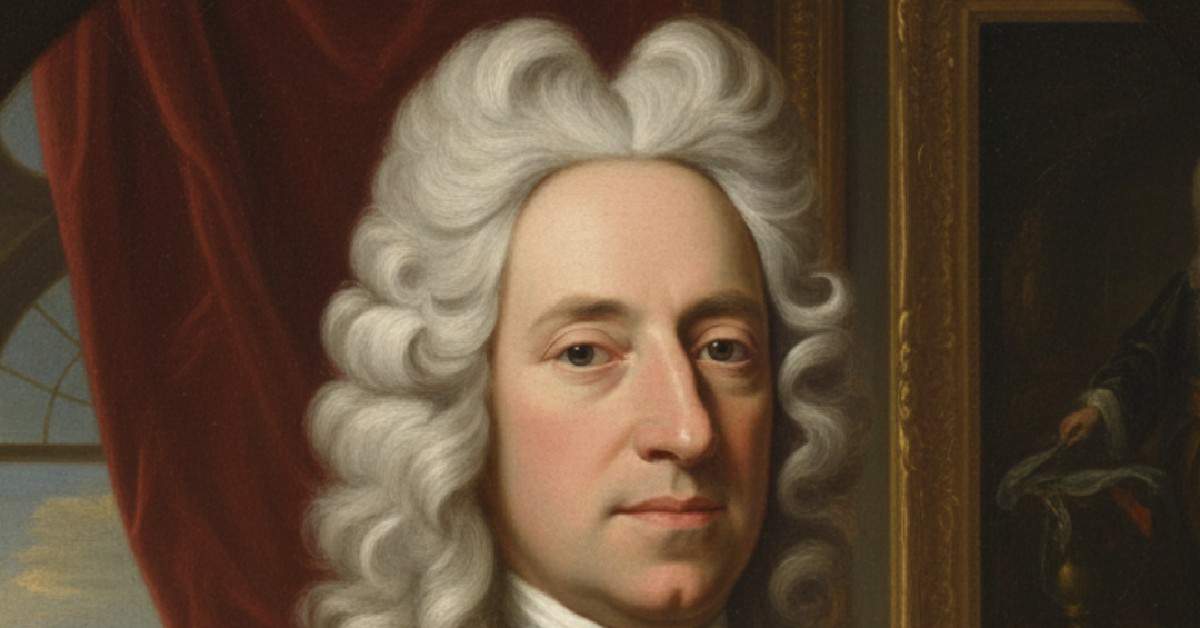
Frederick’s influence extends beyond just policy. Under his rule, Denmark-Norway navigated alliances and conflicts in Europe, particularly during the Great Northern War. His ability to steer his countries through this turbulent period speaks to the depth of his leadership and foresight. The life and reign of Frederick IV provide a story that deepens our understanding of monarchical power in the early modern period.
Early Life of Frederick IV
Frederick IV was born on October 11, 1671, in Copenhagen, Denmark, into the illustrious House of Oldenburg. As the son of Christian V of Denmark and Charlotte Amalie of Hesse-Kassel, his education was comprehensive. It encompassed not just statecraft and governance but also military tactics, philosophy, and the arts. So by the time Frederick ascended to the throne in 1699, he was well-prepared for leadership.
Career Highlights of Frederick IV
Reforms and Domestic Policy
Frederick IV’s reign, spanning over three decades, was marked by significant internal development and reform. He understood the necessity of modernizing Denmark and Norway to enhance competitiveness and stability within Europe. One of his major initiatives was the agricultural reform that aimed at improving the plight of the peasantry and increasing agricultural productivity. By improving farming techniques and advocating for a more scientific approach to agriculture, Frederick sought to stabilize the economy and ensure food security for his people.

A devoted proponent of education, Frederick initiated reforms focused on expanding educational opportunities. In 1721, he established the Royal Ordinance on Schools, mandating that all children, regardless of class, receive basic education. This move was revolutionary for its time and showcased Frederick’s commitment to fostering an enlightened society.
Military Engagements and the Great Northern War
Frederick IV’s reign was linked to his military ambitions, most notably highlighted during his participation in the Great Northern War (1700-1721). Seeking to dismantle Swedish dominance in the Baltic region, Frederick allied with Russia, Poland, and Saxony. One of his notable achievements during this conflict was the Battle of Køge Bay in 1710, where the Danish navy defeated the Swedish fleet. Therefore, showcasing Frederick’s strategic insights in naval warfare.
Although the conflict had fluctuating fortunes, Frederick IV’s commitment paid off with the Treaty of Frederiksborg in 1720. It saw Denmark regaining crucial territories such as parts of Schleswig. Thereby, securing a strategically advantageous position for his nation after years of military investment.
Cultural and Architectural Contributions
Beyond his military and reformist efforts, Frederick IV was equally passionate about the cultural renaissance of Denmark and Norway. He was a patron of the arts, architecture, and cultural endeavors, leaving a legacy that remains visible in Denmark to this day. Under his patronage, Copenhagen experienced a surge in architectural development, evidenced by projects such as Frederiksberg Palace.
Frederick IV also expanded the royal collections, gathering works of art and artifacts that enriched the cultural diversity of his kingdom. His interest in architecture and art was symbolic of his broader vision for Denmark.
Religious Tolerance and Policy
A pragmatic ruler, Frederick IV maneuvered religious policies with a progressive outlook. Despite the Protestant establishment in Denmark and Norway, he permitted a degree of religious tolerance. He welcomed religious minorities, such as the Huguenots fleeing persecution in Catholic France. Subsequently, offering them a safe haven and the opportunity to integrate into the Danish economy and society.
Conclusion
Frederick IV remains a pivotal king of Denmark and Norway in history, embodying the complexity and ambitions of early modern monarchs. His reign from 1699 to 1730 was characterized by significant reforms, military endeavors, and cultural patronage.
Also, efforts to modernize and reform Denmark-Norway left a mark on the society and set the foundation for future progress. Lastly, Frederick’s visionary strategies and policies cemented his legacy as a monarch who not only faced the challenges of his time with tenacity but also embraced opportunities for cultural enrichment and social advancement.
FAQs about Frederick IV
1. When did Frederick IV become king of Denmark and Norway?
Frederick IV ascended to the throne in 1699 following the death of his father, Christian V.
2. How did Frederick IV contribute to Denmark’s military history?
He played a significant role in the Great Northern War, strategically allying with other nations against Sweden and achieving notable victories. For example, Battle of Køge Bay.
3. What cultural contributions did Frederick IV make during his reign?
Frederick IV was a patron of the arts and architecture, commissioning significant projects like Frederiksberg Palace and enhancing Denmark’s cultural landscape.
4. How did Frederick IV’s policies impact religious practices in Denmark?
He promoted religious tolerance, accepting minorities like the Huguenots into Denmark.