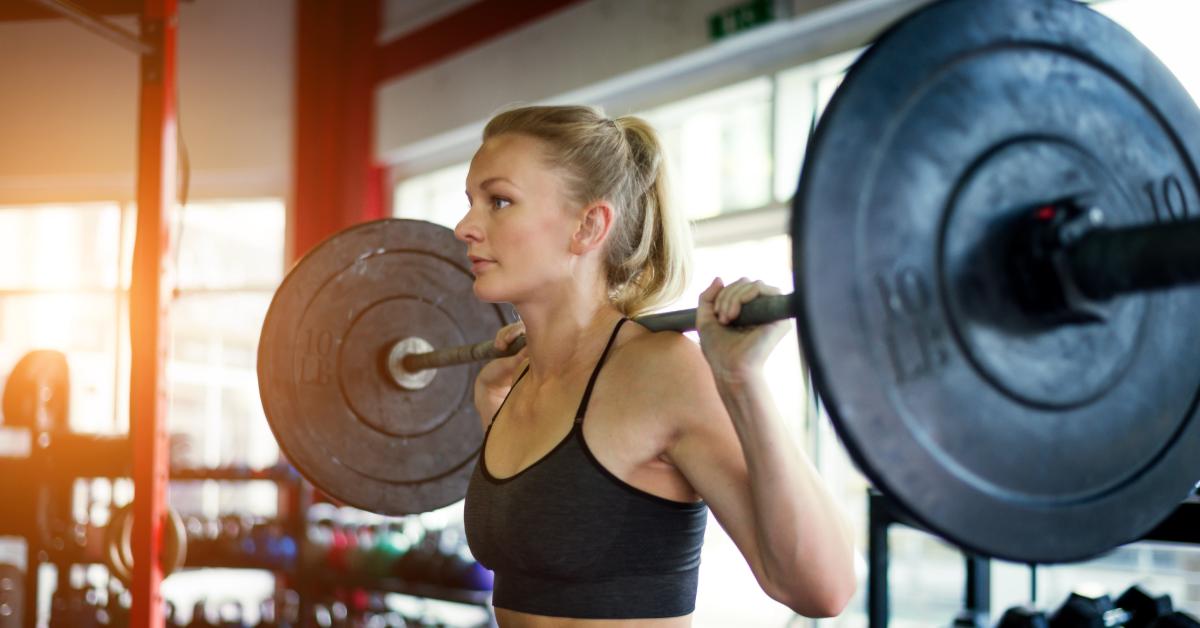
Across Denmark, more women are turning to strength training. Gyms and social media are filled with women lifting heavy weights, redefining what it means to be strong and healthy. 


Women Taking Over Denmark’s Weight Racks
At Strong Curves in Aarhus, the scene looks different from what you might expect. Instead of treadmills and running shoes, barbells, kettlebells, and cables line the floor. Each morning, groups of women gather to lift, sweat, and push themselves together. The founder of Strong Curves noticed the trend years ago. Since then, the number of women signing up for lifting classes has climbed sharply. Waiting lists are longer, and Instagram feeds show women proudly sharing their strength routines. Many say it’s no longer about being thinner but about feeling capable, confident, and strong in daily life. Given the growing focus on fitness, it’s easy to see how this shift connects to the Danish ideals of healthcare and well-being. Strength training has become part of a broader lifestyle of living long, active, and independent lives.Functional Fitness Becomes the New Normal
The movement is not limited to niche gyms. National fitness chains have also adapted their spaces to meet the growing demand for weight and cable areas. According to Danish gym managers, functional training is now the most popular workout style. Women, who previously might have focused on cardio, are embracing heavy lifting too. Such change reflects a bigger transformation in how fitness is viewed. It wasn’t long ago that lifting weights was seen as a masculine pursuit. These days, women proudly fill squat racks and post progress videos online. This cultural shift has helped replace old stereotypes about femininity and strength with a more realistic and empowering image of health and vitality.Changing Health Priorities and the Role of the Pandemic
Lifestyle researchers suggest the rise in women’s strength training started quietly during the COVID-19 pandemic. When gyms closed, kettlebells and dumbbells suddenly sold out across Denmark. Thousands of women began working out at home, guided by online fitness communities. At the same time, a more open conversation about menopause emerged. Women started paying attention to how lifestyle choices could affect their long-term health. Strength training, once seen purely as a fitness trend, is now understood as essential preparation for later stages of life. It strengthens bones, supports metabolism, and prevents the muscle loss that often accelerates during and after menopause. Maintaining strong muscle health also ties into Danish standards of preventive care promoted through the country’s health system. By building physical resilience before midlife, women reduce their reliance on medical treatment later on.Muscle Mass as a Key to Long-Term Health
Experts from Aarhus University emphasize that muscle mass plays a critical role in everyday life. Compared with men, women naturally have less muscle tissue, often 30 to 40 percent less. As estrogen levels drop with age, this gap widens, making it even more important to train consistently before menopause begins. Muscle training protects against injuries, supports good posture, and enhances overall health. Even simple daily tasks like carrying groceries or climbing stairs become easier when strength improves. Scientists encourage women to get started early to build a reserve of muscle that will support them as they age. Interestingly, this growing interest in physical fitness mirrors wider Danish trends in wellness, community, and balance. From group classes to after-work gym sessions, women are reclaiming the weight room as their own. Strength, rather than size, has become the new measure of well-being.Sources and References
The Danish Dream: Is Danish Healthcare Really Worth the Hype? The Danish Dream: Fitness in Denmark for Foreigners DR: Bænkpres, hip thrusts og kettlebells: Some og fitnesscentre er fyldt med kvinder, der løfter