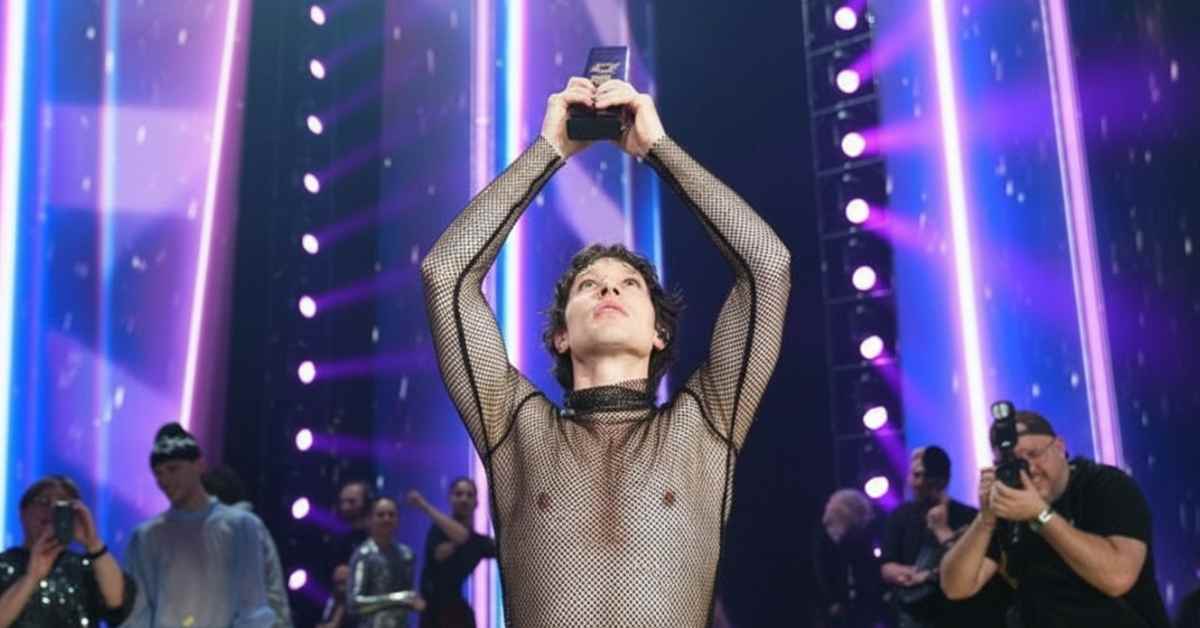
Denmark’s strongest Eurovision result in years has experts praising DR’s 2026 entry while warning that one success doesn’t solve the broadcaster’s long-standing structural problems with the contest.
The applause came quickly after Denmark crossed the finish line at Eurovision 2026 in Istanbul. After years of missing the final or languishing in the lower ranks, Denmark finally delivered a result that music experts and DR itself describe as the best in many, many years. But before the champagne corks had settled, those same experts issued a sharp warning: don’t rest on your laurels now.
Breaking a Long Losing Streak
The 2026 result marks a clear break from a miserable track record. Between 2016 and 2024, Denmark failed to qualify for the grand final multiple times, including painful exits in 2019, 2021, 2022 and 2023. Each failure sparked rounds of hand wringing about song quality, staging and whether DR understood modern Eurovision at all. Critics pointed out that Danish entries were competent but forgettable, lacking the hooks or visual impact that make viewers pick up the phone.
I watched those years unfold from Copenhagen, listening to the same post mortem conversations each May. The pattern was clear: Denmark scored decently with professional juries but bombed in the public televote. Broadcasters saw solid craftsmanship; ordinary viewers saw nothing worth voting for.
What Changed This Time
The 2026 entry succeeded where others failed by aligning with international pop trends while keeping a recognizable identity. Commentators highlight contemporary electronic production, strong visual storytelling and staging that felt cinematic rather than like a generic TV variety show. Denmark also stepped up its pre contest game, with the artist participating in more international promotional events and leveraging social media far more effectively than past delegations.
This improvement didn’t happen by accident. DR has spent several years tweaking Melodi Grand Prix, adjusting language rules, investing in staging and seeking stronger international songwriting collaborations. The 2026 result suggests those reforms are finally paying off, at least in part.
Nordic Context Matters
Denmark doesn’t compete in a vacuum. Swedish, Norwegian and Finnish entries set the creative bar that Danish acts are measured against. Sweden’s Melodifestivalen remains the gold standard for production values and artist development. If all the Nordic countries performed well in 2026, Denmark’s success is part of a broader regional trend. If Sweden or Norway stumbled while Denmark climbed, that strengthens the case that DR’s course correction is real.
Why Experts Are Still Worried
The warnings from music critics and Eurovision specialists are blunt. One strong result doesn’t fix systemic problems. Denmark remains a mid sized country with limited diaspora, a relatively small music market and a national selection process that tries to be both Saturday night family entertainment and serious Eurovision tool. Those dual goals don’t always align well.
Experts argue that DR needs a multi year strategy, not just one well matched song. That means earlier artist selection, dedicated songwriting camps, consistent international networking and a willingness to take creative risks. The phrase experts keep using is telling: DR must not rest on its laurels. The implication is clear. They expect DR to backslide into risk aversion and comfort zone programming if the pressure eases.
The Language Debate Continues
There’s still no consensus on whether Denmark should sing in Danish or English. Some cultural commentators point to Italy and Portugal, arguing that native language entries stand out and project authenticity. Others insist English remains essential for connecting with a broad European televote and modern pop structures. The 2026 result will be cited as proof by whichever side it supports, but the debate itself is far from settled.
Eurovision as Moving Target
Turkey’s return and Istanbul as host city added another layer to Eurovision 2026. The contest continues to navigate political tensions, LGBTQ rights debates and shifting cultural norms across Europe. What worked this year might not work next year, especially as the European Broadcasting Union tweaks voting rules and other countries overhaul their own strategies. The UK and Spain both reformed their approaches recently, with wildly varying results from year to year.
From where I sit, having covered Danish culture for years, the 2026 success feels fragile. DR has shown it can produce a competitive entry when the stars align. Whether it can do so consistently is another question entirely. The real test comes next year, when the pressure is off and old habits could easily reassert themselves.
Sources and References
The Danish Dream: EBU to Vote on Israel’s Eurovision Future
The Danish Dream: Denmark Stands by Eurovision Amid Rising Boycotts
The Danish Dream: Eurovision 2026 Survives Crisis Amid Boycotts
DR: Ekspert roser det bedste danske resultat i mange, mange år