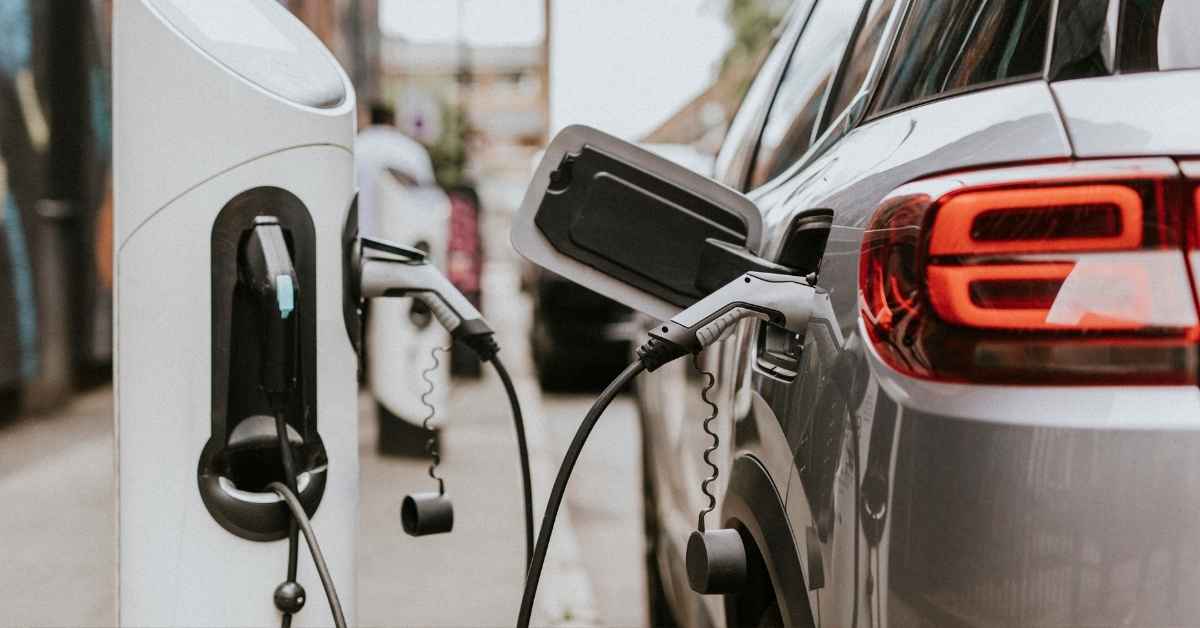
In July 2026, electric cars accounted for 97 percent of new vehicles sold to private buyers in Denmark, marking a new record in the country’s rapid shift away from fossil fuel vehicles.
Denmark just crossed a line most countries won’t reach for years. In July, nearly every single new car bought by a private person in this country was electric. Not hybrid. Not diesel. Electric.
Mobility Denmark reported that 11,672 of the 14,562 new passenger cars registered in July were electric. That’s 80.2 percent of all new vehicles. But zoom in on private purchases and the number becomes startling: 97 percent. Only three in every hundred private buyers chose something else.
I’ve watched this shift happen in real time. Four years ago, seeing a Tesla was still noteworthy. Now I pass a dozen electric Skodas, Volkswagens, and Toyotas on my morning bike ride. The sound of the streets has changed.

From Niche to Normal in Record Time
The speed is what stands out. In 2024, electric vehicles made up about half of new car sales. By 2025, that figure had jumped to around 70 percent. Now it’s pushing 80 percent overall and near total dominance among private buyers.
Mads Rørvig, managing director at Mobility Denmark, calls it proof that the electric car has become “the natural choice” for Danes. He credits reduced registration taxes for making EVs financially attractive. Those tax breaks have been the policy engine behind this transformation.
The numbers back him up. Year to date through July, Denmark registered 115,580 new cars, an 11.9 percent increase over the same period last year. Electric vehicles are no longer a curiosity. They’re the default.
One Million EVs by Next Year
Mobility Denmark expects Denmark to hit one million electric cars on the road by 2027. That would mean roughly one in three passenger vehicles running on batteries. For a country of fewer than six million people, that’s a significant milestone.
Right now, about 22 percent of all passenger cars in Denmark are electric, according to recent motor registry data. That’s around 650,000 vehicles. The composition of the fleet is shifting fast. There are now more electric cars than diesel cars in Denmark, though gasoline vehicles still hold the largest share at around 53 percent.

I’ve noticed the difference in my own neighborhood. Charging stations have popped up in apartment complexes and shopping centers. What was once a niche concern is now basic infrastructure.
But the Road Ahead Gets Rougher
Here’s where the story gets complicated. The favorable tax treatment that fueled this boom is about to change. Starting in 2027, registration taxes on electric vehicles will begin phasing in. Popular models priced above roughly 366,000 kroner will see significant price increases.
The government’s official projection is that 90 percent of new car sales will be electric in 2026 and 94 percent by 2030. It also expects around 1.5 million EVs on Danish roads by 2030, nearly half the total fleet. But those projections assume stable or improving conditions. Higher taxes could easily slow momentum.
Mads Rørvig warned that a government calling itself “the greenest ever” shouldn’t raise taxes on electric cars. He argues Denmark should eliminate the registration tax permanently to protect climate progress. It’s a fair point, but it ignores the fiscal reality. Registration taxes bring in revenue the state relies on.

The Private Divide
The 97 percent figure for private buyers masks a significant gap. Electric vehicles dominate among households, but the commercial sector lags badly. In the first four months of 2025, only 24 percent of new vans were electric. By 2026, that number rose to 36 percent, still far below passenger cars.
This divide matters. Vans and commercial vehicles drive more miles and often carry heavier loads. Their slower electrification means Denmark’s transport emissions will take longer to fall than the headline numbers suggest.
I see this gap every day. Delivery vans and work trucks still run on diesel. The green transition isn’t even across the board. It’s concentrated in the consumer market, where subsidies and lower prices have made electric cars an easy sell.
European Context
Denmark now has one of the highest shares of electric vehicle sales in Europe. With roughly 80 percent of new registrations in 2026 being electric, it outpaces Germany, France, and most other EU countries. That’s both a point of pride and a potential problem.
High adoption here has been driven by aggressive tax incentives. If those policies shift, Denmark could see the kind of sales collapse that hit the market after tax changes in 2016. Back then, EV sales plummeted overnight when favorable terms expired. The memory lingers in the industry.

Infrastructure and Practicality
Denmark now has over 8,000 public charging points, including fast chargers along highways. The average electric car in Denmark drives about 15,900 kilometers per year, roughly on par with conventional vehicles. That suggests EVs are being used as primary cars, not just city runabouts.
But challenges remain. Charging infrastructure is concentrated in urban areas and along major routes. Rural and less wealthy areas still face gaps. And while new electric car models under 200,000 kroner are now available, affordability is still an issue for many households.
The real test will come when the tax breaks start to fade. Will Danes keep choosing electric when the price gap narrows? Or will we see a slowdown that threatens climate targets?
Sources and References
Mobility: Ny rekord: 97% af nye biler til private i juli var elbiler
The Danish Dream: Are Electric Cars in Denmark Truly a Green Choice?
The Danish Dream: Denmark’s Electric Car Divide Shocks the Nation
The Danish Dream: 23 New Electric Cars That Could Transform Denmark