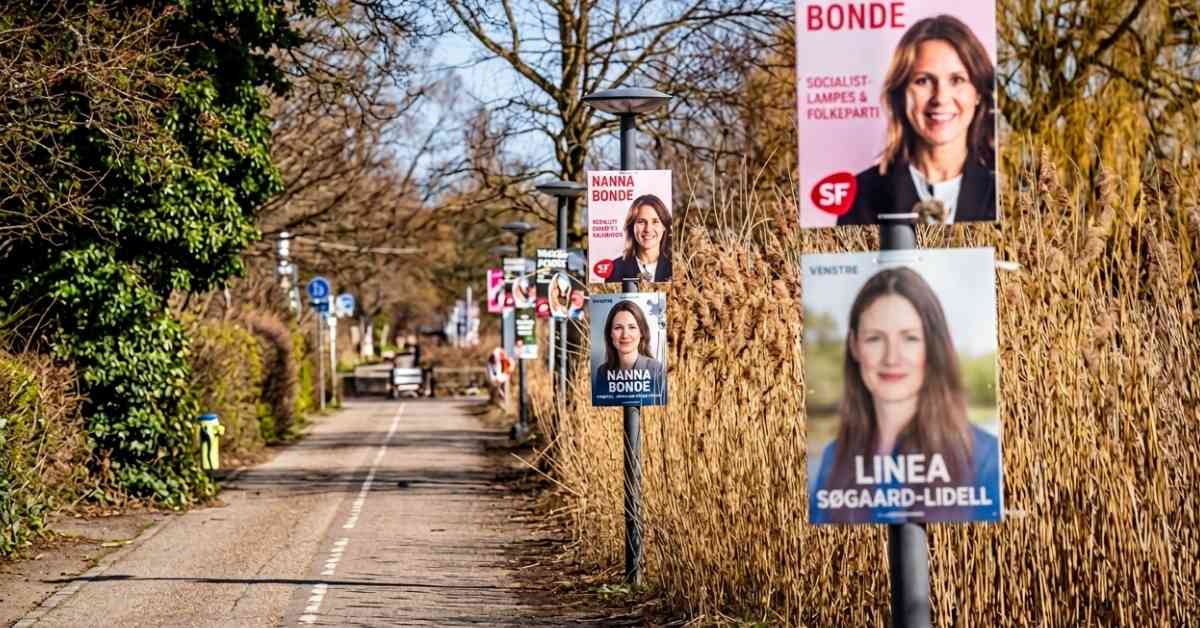
Denmark’s governing coalition controls just 89 of 179 Folketing seats, leaving Prime Minister Mette Frederiksen’s government two seats short of a majority and structurally dependent on outside support for major legislation.
The arithmetic is rarely spelled out. The Social Democrats, Venstre and Moderates together hold 89 seats, two short of a majority in the 179-seat Folketing. That means most major bills, budget lines and long-term agreements require support from parties outside the coalition. For internationals watching Danish politics, this translates into shifting alliances shaping tax rules, welfare reforms and residence permits with little warning.
After the November 2022 election, Frederiksen presented the coalition as a middle government, breaking decades of red-versus-blue bloc warfare. The coalition agreement, “Ansvar for Danmark,” promised broad cross-party settlements on defence, climate and welfare. The weak parliamentary base means those promises depend on parties that may simultaneously oppose the government on other issues.
Defence and green deals lock in a decade of budget priorities
The clearest proof of how cross-bloc arithmetic shapes policy came in June 2023. The government and a broad parliamentary majority signed the Danish Defence Agreement covering 2024 to 2033. According to the Danish Ministry of Defence, the deal initially committed approximately 143 billion kroner for military investments. A separate partial agreement in June 2024 raised the total to about 155 billion kroner, adding 2.9 billion kroner in 2028 and 2.0 billion kroner in 2029. Based on a population of approximately 5.95 million, that works out to roughly 2,600 kroner per resident per year, or about 215 kroner per month in approximate defence-related budget commitment.
The Defence Agreement text specifies that Denmark will establish a brigade capacity of around 10,000 soldiers, fully equipped. That granular force-structure detail rarely appears in general reporting. It matters because it locks in not just money but also long-term personnel, procurement and base-infrastructure decisions that crowd out other spending.
In parallel, the government concluded a green tripartite agreement in 2024. According to the Ministry of Climate, Energy and Utilities, Denmark will become the first country in the world to introduce a tax on agricultural greenhouse-gas emissions. The deal allocates 32 billion kroner from 2025 to 2030 to buy up farmland and finance transition measures. As a newsroom calculation based on the same population figure, that equals roughly 5,400 kroner per person over six years, or about 75 kroner per month earmarked for land-use conversion.

Foreign residents feel the squeeze but cannot vote on it
According to Statistics Denmark’s FOLK1 table, around 418,000 foreign nationals live in Denmark, equal to roughly 7 percent of the population. Statistics Denmark’s employment data show about 310,000 non-Danish citizens are in employment, making them highly exposed to labour-market and tax reforms. Yet most hold no national voting rights. Statistics Denmark’s FOLK1A table shows non-Danish citizens grew by about 25 percent between 2015 and 2024, compared to 5 to 6 percent growth among Danish citizens.
For those internationals, the consequences of cross-bloc compromise arrive through secondary legislation. Changes in tax rates to finance defence spending. New environmental regulations affecting housing or transport. Adjustments to welfare and labour-market programmes, including integration and language training. The Danish tax authority, Skattestyrelsen, publishes English-language guides, but following the political manoeuvres behind those changes requires closer attention to Folketinget hearings and ministry consultations.

Municipal votes offer some leverage
Foreign EU citizens can vote in municipal and regional elections in Denmark. That means they can participate in local decisions on how authorities implement defence-related infrastructure projects or green land-use changes. According to the green tripartite agreement, roughly 140,000 hectares of low-lying farmland will be removed from cultivation. Local zoning battles over new military facilities or nature reserves will unfold over the next decade. Municipal consultations offer one practical entry point for foreign residents to engage with how national deals play out in their regions.
Long-term agreements blur accountability
The 155 billion kroner defence deal runs until 2033. The 32 billion kroner green fund covers 2025 to 2030. Both commitments extend well beyond the normal electoral cycle. Supporters argue this insulates Denmark from abrupt policy swings and gives companies, including foreign-owned firms, predictability for investments. Critics warn it locks in priorities that squeeze hospitals, schools and social benefits for a decade.

Some on the far left argue the agricultural emissions tax is too lenient, with long lead times benefiting large farm owners while smaller operations, often reliant on migrant labour, struggle. On the right, farm groups warn of job losses in rural areas that already depend on foreign workers. Danish People’s Party politicians have expressed frustration with national compromises in public statements.
According to a Ministry of Defence press release, Defence Minister Troels Lund Poulsen stated that the agreement requires economic priorities. Climate Minister Lars Aagaard described the green deal as a difficult agreement that shows solutions can be found across political wings. Both statements came as the coalition, holding 89 of 179 seats, remained dependent on outside support to pass either deal.

What internationals can do
Track official guidance on Skattestyrelsen for tax changes, Nyidanmark for immigration rules, and Folketinget for legislative calendars. Submit hearing responses where permitted. Engage with trade unions, many of which have English-language information for international members affected by sectoral reforms. Follow municipal plans for land-use and infrastructure projects tied to defence and green commitments. The minority coalition arithmetic means policy can shift when outside support changes. Staying informed is the most reliable way to anticipate those shifts.