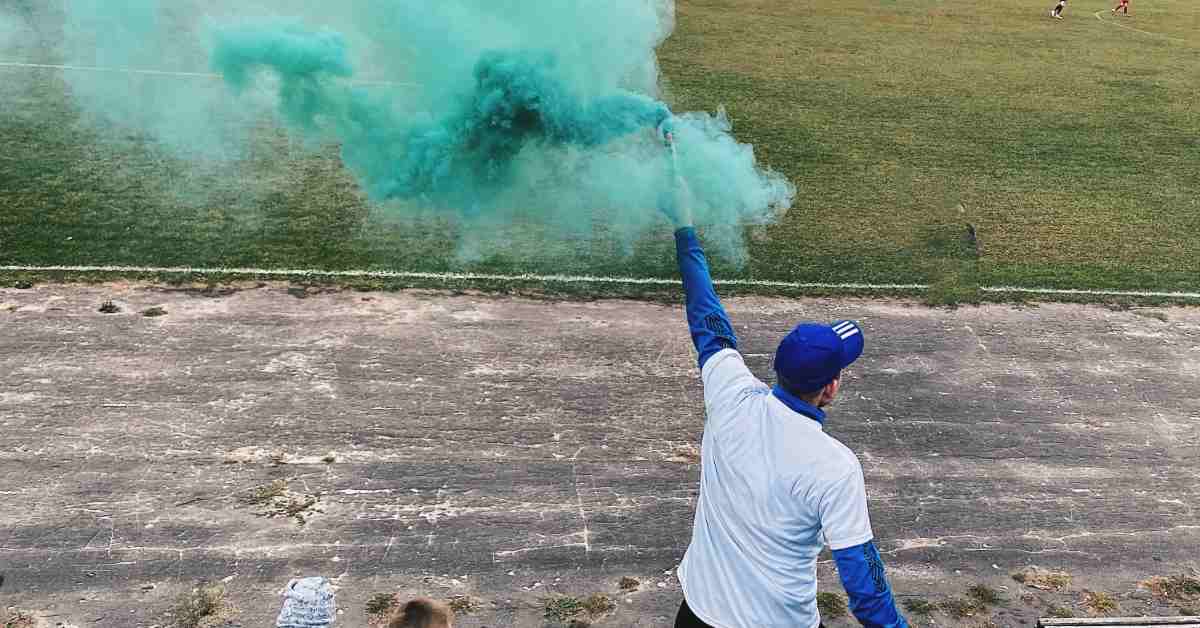
The Danish government has softened its proposal to tighten laws against hooliganism after strong criticism from legal experts and organizations. The revised version ensures that only those convicted in court will have their names appear on their criminal records.
Government Adjusts Plan After Pushback
After weeks of public debate, Denmark’s Minister of Justice, Peter Hummelgaard, has revised the government’s controversial plan to expand the country’s anti-hooligan measures. The original version would have allowed a person’s inclusion in the police hooligan register to appear on their criminal record even before a court ruling. That part is now dropped.
The new revision establishes that only those found guilty by a court can have their registration in the database reflected on their official record. That change came after legal associations and rights groups argued that the earlier draft violated fundamental legal principles in Danish justice, including the presumption of innocence.

Police Powers Still Expanding
Even with the update, the government aims to give police broader powers to address football-related violence. Authorities will be able to place individuals in the hooligan register more easily, even if the incidents did not occur directly at matches. The register, first introduced in 2008, keeps track of those banned from sports events for causing disturbances or participating in violent acts.
Until now, a ban required proof of a risk of repeated offense. That restriction will be removed. As a result, any violent behavior with a football connection, even away from the stadium, may lead to a ban.
Legal experts claim this allows police too much discretion. Lawyers warn that innocent fans could find themselves facing bans based on limited evidence. At the same time, the government insists that these new powers are essential to reduce public disorder and ensure safety at football venues across the country.
Some observers have compared the push to past legal crackdowns on organized groups, such as the ban on biker gangs that set a precedent for dealing with criminal organizations.
Concern Over Expanded Restriction Zones
A separate part of the proposal extends the exclusion zone for banned fans from 500 meters to five kilometers around stadiums. The intent is to prevent clashes among rival supporters before and after matches. However, critics argue the distance is excessive and likely to create confusion among the banned individuals about their rights to work or attend school near a stadium.
Professional associations for Danish lawyers remain concerned that people may face questioning from police even when engaging in normal activities that have nothing to do with football events. The worry is that regular citizens might be harassed or monitored based on where they happen to be rather than any actual involvement in troublemaking.

Balancing Rights and Public Safety
The minister maintains that these new powers are justified. According to him, the safety of the general public must come first. He argues that people deserve to enjoy matches and family events without ending up in violent confrontations caused by a small minority of troublemakers. The ministry hopes the new bill will be approved by the Danish Parliament in the coming weeks.
Even though lawmakers continue to debate the correct balance between rights and safety, there is a broader agreement that football violence has been rising over the past years. Police have reported more aggressive behavior among certain fan groups, especially around large matches and cross-border rivalries.
Advocates for a more careful approach encourage the government to guarantee stronger oversight over police decisions about who is placed in the register and for how long the bans will last. They suggest incorporating judicial review at every step, to ensure fairness and consistency in how the rules apply.
The issue has reopened a national conversation about how far the government should go in curbing hooliganism without stepping on civil liberties. Many also point to Denmark’s tough stance on other criminal categories, noting that the line between security and freedom is becoming increasingly narrow in Danish legal policy.

Next Steps in Parliament
The proposal will soon face a vote in Parliament. A majority is expected to back the intention behind the law, but several lawmakers may push for small changes before passing it into law. If approved, Denmark will move one step closer to implementing one of Europe’s strictest systems to track and penalize violent football fans.
The continuing debate reflects a broader shift in Danish policy toward maintaining security at public gatherings by strengthening legal tools and enforcement. Whether that trend will continue depends on how lawmakers interpret fairness, proportionality, and the proper limits of police power.
In the meantime, the Justice Ministry continues to emphasize that the new framework is designed not to punish, but to protect ordinary fans and ensure that everyone can enjoy football in a safe environment.
Sources and References
The Danish Dream: Denmark bans Bandidos setting legal precedent for gangs
The Danish Dream: Best criminal defence lawyers in Denmark for foreigners
DR: Regeringen lemper hooligan-forslag efter kritik: Dom kræves før plet på straffeattest