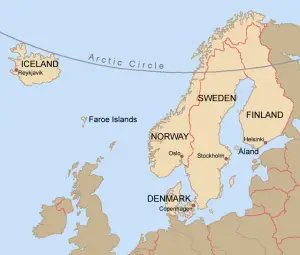
Sven Erik Moller stands out as a transformative figure known for his profound impact on Danish Modernism. His work embodies a balance between aesthetic elegance and functional practicality. Moreover, his contributions have not only helped define the architectural landscape of Denmark. They have also reinforced the country’s global reputation. Born on July 20, 1909, in Copenhagen, Moller grew up in a city that was itself a testament to centuries of architectural evolution.
Early and Formative Years of Sven Erik Moller
The journey of Sven Erik Moller began earnestly when he enrolled at the Royal Danish Academy of Fine Arts in Copenhagen. This prestigious institution was the perfect incubator for Møller’s budding talents. It was here that his design philosophy began to take shape, heavily influenced by the prevailing ideals of functionality and simplicity.
During his time at the academy, Møller was exposed to a diverse range of architectural philosophies and practices. He learned under the guidance of some of the most esteemed architects of the time, whose teachings emphasized the importance of marrying form and function while paying homage to local contexts.
Erik Møller’s dedication to architecture was also fueled by his environment. Living in a rapidly urbanizing Denmark, he was acutely aware of the needs for new housing and public buildings that could meet the demands of modern life. This awareness drove him to explore innovative building methods and materials that could make architecture more accessible and sustainable.
Another critical aspect of Møller’s formative years was his deepening understanding of social responsibility in architecture. He believed that buildings should serve the people and enhance their everyday experiences. This conviction led him to advocate for designs that were user-friendly and sensitive to the needs of their inhabitants. These are principles that have left a lasting impact on Danish architectural practices.
Career Highlights of Sven Erik Moller
Aarhus City Hall: A Defining Project
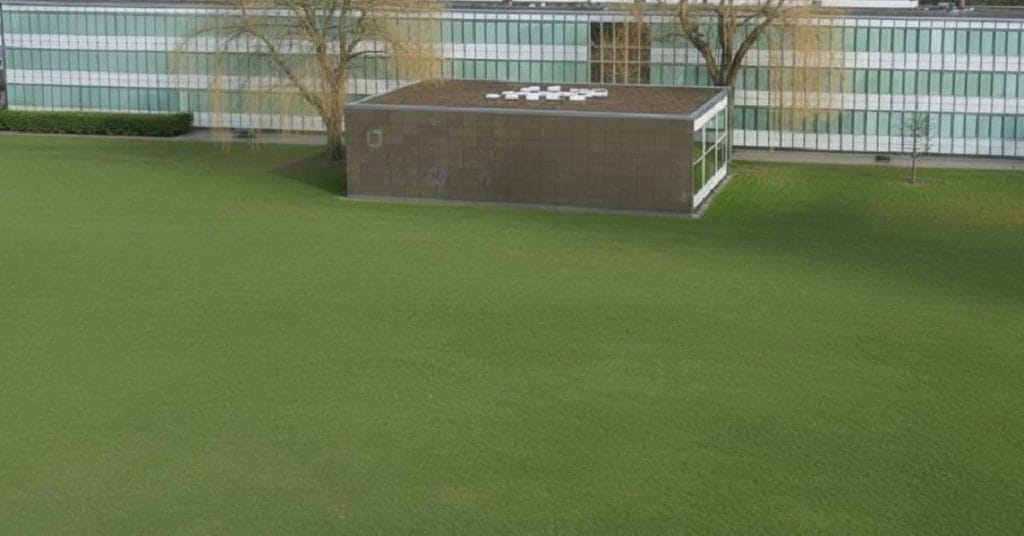
One of the most crucial moments in Møller’s career was his involvement in the design of the Aarhus City Hall. This monumental project, completed in 1941, was a collaboration with Arne Jacobsen, a notable figure in modernist architecture. Additionally, the design of Aarhus City Hall broke away from traditional municipal architecture. This was by incorporating modernist principles characterized by clean lines, functional form, and innovative use of materials like marble and chrome. Furthermore, the building’s iconic clock tower, standing at 60 meters, became a landmark in Aarhus and a symbol of the city’s embrace of modernity.
The project not only established Møller’s reputation but also set a precedent for modern public building design in Denmark. His ability to create spaces that were both functional and aesthetically pleasing was evident. Thereby, showcasing his commitment to improving the urban fabric through architectural innovation.
Revolutionizing Construction Techniques
Erik Møller was among the early adopters of prefabrication techniques in Danish architecture. Therefore, fundamentally altering traditional construction methodologies. What’s more, during the post-war period, Denmark faced high demands for rapid urban development and affordable housing. Møller saw prefabrication as a solution to these challenges. Hence, allowing for quicker assembly times and cost-efficient building processes without compromising on design quality.
Educational Architectures: Functionality and Light
Møller made significant contributions to the design of educational institutions, bringing his philosophy of user-centric and sustainable design to learning spaces. His educational buildings were characterized by their thoughtful consideration of natural light, open spaces, and eco-friendly materials. In addition, these designs mirrored his belief that architecture should support and enhance human activity. In this case, it was about learning and development.
Conclusion
Throughout his career, Erik Møller remained a significant proponent of Danish Modernism. This movement, marked by its minimalist approach, functionalism, and innovative use of natural materials, became both the philosophy and hallmark of Møller’s work. Also, Møller’s legacy within Danish Modernism is profound, having inspired a new generation of architects to adopt principles of minimalism and sustainability. Lastly, his career highlights the importance of architecture in shaping societal values. Hence, making spaces that are adaptive to people’s needs and environmental concerns.
FAQs about Sven Erik Moller
1. How did Sven Erik Moller influence modern architecture?
Møller influenced modern architecture through his adoption of prefabrication techniques, his emphasis on sustainability, and his design of human-centric spaces.
2. What was Erik Møller’s educational background?
He studied at the Royal Danish Academy of Fine Arts in Copenhagen, where he developed his distinctive architectural philosophy.
3. Why is Aarhus City Hall significant?
Completed in 1941 in collaboration with Arne Jacobsen, Aarhus City Hall embodies modernist ideals and remains a landmark of architectural innovation.