Housing
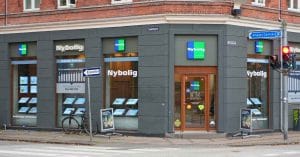


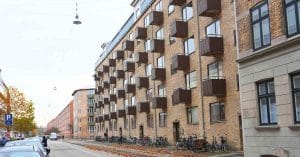


Finding housing in Denmark as a foreigner requires persistence, preparation, and a clear understanding of how the Danish housing market works. Denmark has two primary housing sectors: the private rental market (det private lejemarked) and the social housing sector (almene boliger), which is subsidised and allocated through waiting lists that can stretch for many years, particularly in Copenhagen.
The private rental market is active and includes everything from city centre apartments and suburban family homes to rooms in shared housing (kollegium) and short-term furnished lets. Platforms like Boligportal, Lejebolig, and Facebook housing groups are the main channels through which rental properties are advertised and sought.
Rental prices in Copenhagen are among the highest in Europe, with a one-bedroom apartment in a central neighbourhood typically costing between 8,000 and 14,000 DKK per month, while prices fall significantly in smaller Danish cities like Aarhus, Odense, Aalborg, and Esbjerg. Danish tenancy law (lejeloven) provides strong protections for tenants, regulating rent levels, notice periods, deposit rules, and the landlord’s right of entry. Most rental contracts require a deposit of up to three months’ rent plus one to three months’ prepaid rent at the start of a tenancy.
Furnished apartments command a premium but offer flexibility for newcomers who have not yet brought their belongings from abroad. Student housing in Denmark is available through various university-affiliated housing organisations, offering affordable rooms in dormitories and shared apartments near major university campuses. Buying property in Denmark as a foreigner is possible but subject to restrictions for non-EU citizens and specific conditions even for EU nationals.
Understanding the nuances of the Danish housing market, knowing where to look, what to ask, and what your rights are as a tenant, is essential for securing comfortable and affordable accommodation in Denmark without unnecessary stress or financial exposure.
Receive Latest Danish News in English
Click here to receive the weekly newsletter