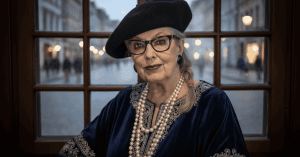
Suzanne Brøgger: Biography of a Danish Icon and Provocateur
Suzanne Brøgger is a prominent Danish author known for her provocative exploration of themes such as love, identity, and societal norms.


Suzanne Brøgger is a prominent Danish author known for her provocative exploration of themes such as love, identity, and societal norms.
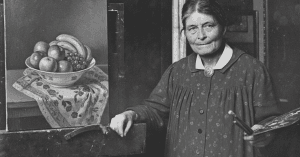
Bertha Wegmann was one of the first women in Denmark to push her way into the country’s art establishment and stay there. She worked with purpose, often against resistance, and left behind a body of work that still draws attention in Danish museums today. If you’re looking for a straightforward example of talent matched with quiet defiance, Wegmann’s career is worth more than a glance.
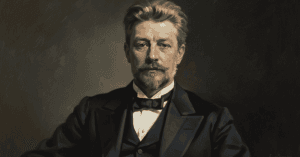
Georg Brandes made literature political. Not by running for office or aligning with a party, but by treating books as instruments of societal change. He called out empty romanticism. He demanded realism. And he insisted that writers take on the world around them—inequality, repression, hypocrisy—head-on. He wasn’t a novelist or a poet. He was a critic. But in the Danish and European context of the late 19th century, that gave him power. He knew how to use it.
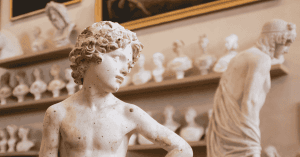
Bertel Thorvaldsen didn’t invent neoclassicism, but he gave it a face. Or rather, he carved it in marble—stoic, idealized, and unmistakably monumental. Born in Copenhagen in 1770, this Danish sculptor rose from modest beginnings to become one of the most celebrated artists in 19th-century Europe.
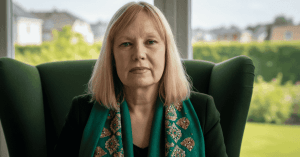
Vita Andersen, born in 1944 in Copenhagen, is a prominent Danish author known for her impactful poetry and novels, including “Tryghedsnarkomaner” and “Hold Kæft og vær smuk.” Her works explore societal pressures and gender roles, earning her accolades like the Danish Critics’ Prize for Literature in 1986, solidifying her literary legacy.
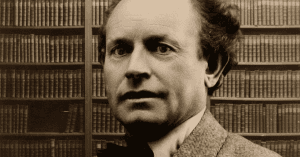
Martin Andersen Nexø (1869-1954) was a prominent Danish author known for his socially conscious works, including “Pelle the Conqueror” and “Ditte, Child of Man”. A passionate advocate for social justice, his writings focus on the struggles of the working class, leaving a lasting legacy in Scandinavian literature and political discourse.

Jens Christian Grøndahl is a renowned Danish author celebrated for his introspective novels exploring themes of love, identity, and existentialism. Born in 1959, he gained international acclaim with works like Lucca and has been translated into over 20 languages. Grøndahl’s elegant prose continues to resonate with readers worldwide.
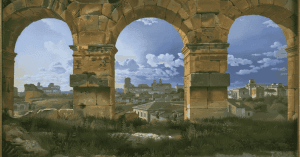
Christoffer Wilhelm Eckersberg (1783-1853) was a pivotal figure in Danish art, renowned as the “Father of Danish Painting.” His contributions during the Danish Golden Age include over 500 works that showcase realism and rich detail. As a professor at the Royal Danish Academy, he also influenced future generations of artists with his innovative techniques.
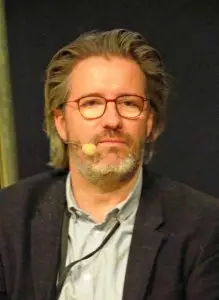
Olafur Eliasson is a renowned Danish-Icelandic artist celebrated for his immersive installations, such as The Weather Project and Your Rainbow Panorama. His work blends nature, perception, and social responsibility, exemplified by the Little Sun initiative providing solar energy. Eliasson’s innovative approach bridges art and global environmental discourse.
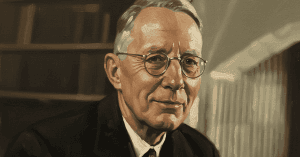
Johannes Vilhelm Jensen (1873–1950) was a prominent Danish author known for his innovative narratives and exploration of human evolution. Awarded the Nobel Prize in Literature in 1944, his seminal work “The Long Journey” combines history, philosophy, and science, influencing Danish and global literature and inspiring future generations of writers.
