
Is Denmark Socialist? | Danish “Socialism” explained by social scientist
In this video, Is Denmark Socialist?, a social scientist explains how the Danish system actually works. While Denmark is often labeled as a socialist country,


In this video, Is Denmark Socialist?, a social scientist explains how the Danish system actually works. While Denmark is often labeled as a socialist country,
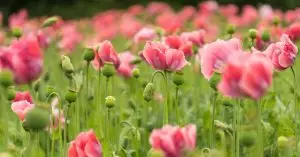
Researchers from University of Copenhagen and the National Botanical Garden of Wales analysed over 400 studies and field-tested flower seed blends, identifying ten native and non-native species—like yarrow, cornflower and cosmos—that maximize bee and hoverfly visits and aesthetic appeal. Their diverse, extended-bloom mixes offer urban gardens an evidence-based way to support declining pollinators and biodiversity.
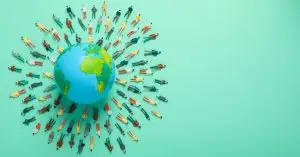
New research from the University of Copenhagen reveals Danish politicians adopt more complex, jargon-laden language when in power, making speeches harder to understand and risking public support. The study of 1.5 million Folketing speech excerpts shows simplicity boosts approval, explaining why populists thrive with clear messaging while incumbent parties lose popularity.

Denmark’s nursing homes face stark staffing disparities across municipalities, with caregiver-to-resident ratios ranging from 1:1.4 to 1:4.1. Rising dementia rates and more complex care needs intensify staff workloads, especially on night shifts. Despite growing demand, average staffing levels remain unchanged, raising concerns over quality, equity, and elder care safety nationwide.
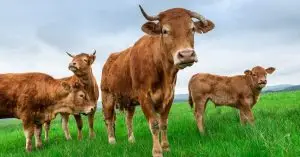
Despite Denmark’s 17-year eradication plan, antibiotic-resistant Salmonella Dublin persists in 5% of Danish cattle herds, causing high calf mortality, reduced milk yield and up to 12% human fatality. A decade-long study reveals hidden annual costs of 50,000–84,000 kroner per farm. Experts urge stronger incentives, stricter surveillance and public health education.
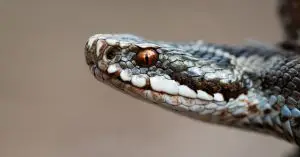
Denmark’s only venomous snake, the common European adder, peaks in summer (July–August), causing 200–400 bites annually. Though fatalities are extremely rare, prompt medical attention is vital. Adders, especially in Jutland, prefer sunny heathlands and forest edges. Stay calm, limit movement, avoid home remedies, and seek professional care immediately.

In this video, 10 Weird Danish Things That Shock Foreigners in Denmark, you’ll discover surprising traditions and everyday habits that feel strange to newcomers. From
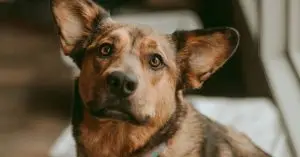
After extended summer togetherness, Denmark’s pet insurer Agria Dyreforsikring warns dog owners that abrupt shifts back to work-week routines can trigger separation anxiety. To prevent distress, maintain consistent feeding, walking and alone-time schedules even during holidays. Gradual reintroduction of daily routines, chew toys and safe spaces helps dogs readjust post-vacation and curb anxious behaviors.

Denmark’s Café Jambo in Saltum warns of a summer surge in tourist hostility, especially against teen staff facing verbal abuse over minor delays. The café’s social media plea urges customers to be patient and kind to young employees, spotlighting the need for compassion in busy service environments and preserving a positive workplace.

An audit of Danish high schools uncovered significant grading inconsistencies—yearly grades often exceeded exam results by over four points, with female and non-Danish students advantaged. Denmark’s Education Ministry demands national standardization amid calls for reforms. A pilot AI-grading tool showed promise in reducing bias, aligning assessments with benchmarks and raising fairness concerns.
