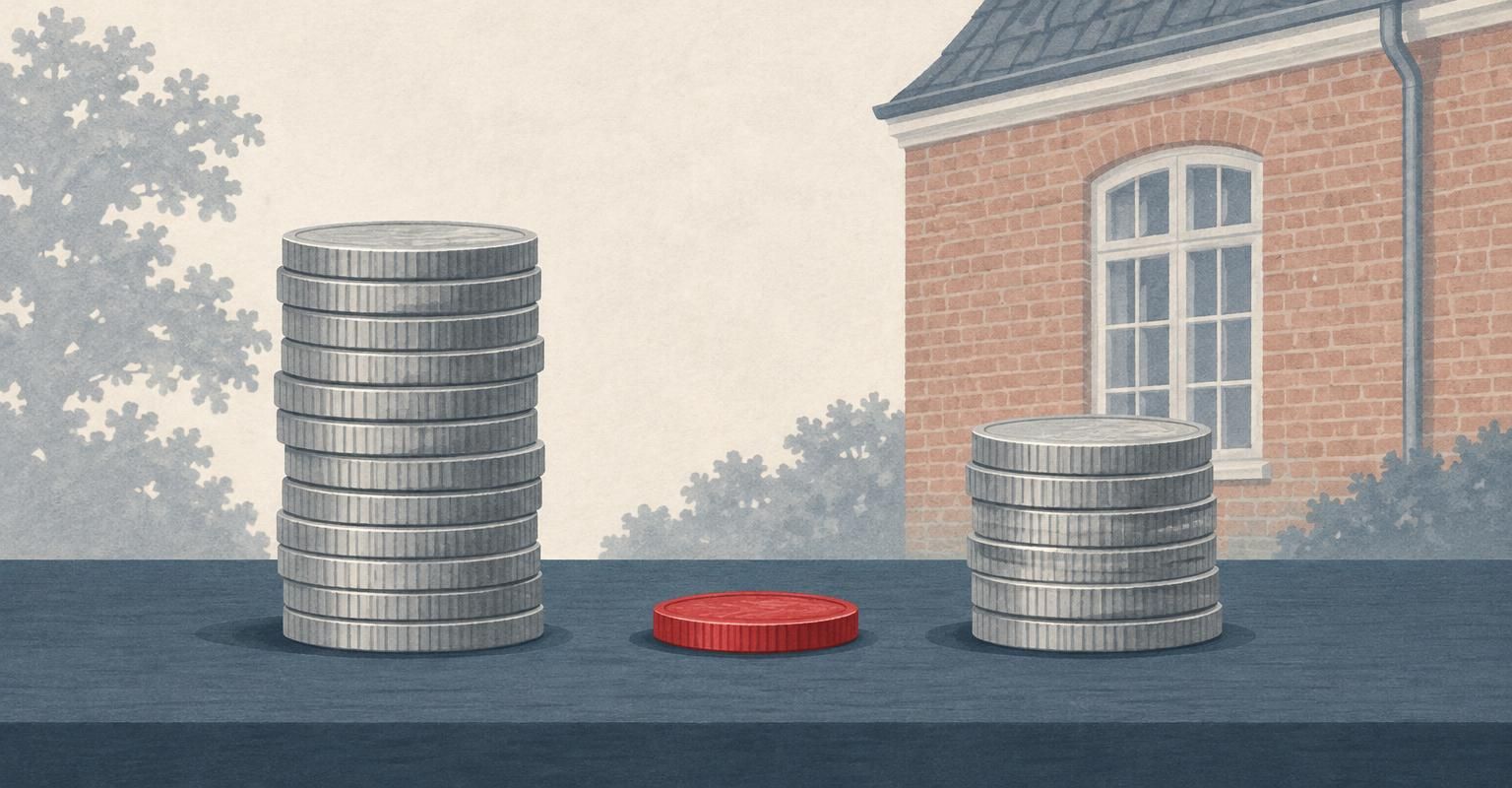
Unions in Denmark marked “kvindernes sidste arbejdsdag”, women’s last working day, on 17 November 2026, pointing to an average gender pay gap of 12.3 percent in hourly pay.
The marking means that women, symbolically, work for free for the rest of the calendar year. According to DR, the campaign is driven by the union Djøf together with other unions and organizations under the slogan “Løngaaab”.
Djøf states that if women earned the same hourly pay as men, they would need only 223 working days to earn their current full-year income. There are 254 working days in the 2026 calendar year. This year’s date falls five days later than in 2025.
As reported by Djøf in its press release distributed through Ritzau, nineteen organizations are behind the 2026 campaign. In recent years, the date has landed between 12 and 17 November.
Where the 12.3 percent figure comes from
The gap is based on Statistics Denmark figures covering all of last year and the entire labour market. The numbers do not adjust for differences in education, sector, job function or seniority. They show only the average difference in hourly pay between men and women, before income tax.
Other measures give slightly different results. Danmarks Statistik puts the gender pay gap at 12.9 percent for 2024 on its own equality statistics page.
Djøf chair Sara Vergo describes the pay gap as a continuing reality on the Danish labour market, with causes that are known and structural. Per Djøf, equal pay has been a principle on the Danish labour market since 1976.
New pay transparency rules set for 1 March 2027
Vergo says she is looking forward to new rules on pay openness taking effect on 1 March next year. The rules stem from the EU pay transparency directive, which is intended to make unequal pay between the sexes easier to detect and challenge.
The Ministry of Employment announced in October 2026 that the implementing bill was being introduced by Employment Minister Ane Halsboe-Jørgensen, with the rules applying from 1 March 2027. The employer organization Dansk Erhverv notes that this start date was moved back from 1 January 2027, as set out in the February 2026 draft.
Under the rules, employees gain the right to know the average pay level for women and men doing the same work, or work of equal value. Any pay difference must be explained by employers using objective and gender-neutral criteria.
What the pay transparency rules mean for foreign workers in Denmark
Pay in Denmark is largely set through collective agreements and individual negotiation rather than a statutory minimum wage, which can make it hard for newcomers to judge a salary offer. From the start date, the right to request average pay figures for comparable roles applies to employees regardless of nationality, since it attaches to the employment relationship.

Two things are not yet settled. According to Azets, the bill, L 68, was introduced on 8 October 2026 and had its first reading on 22 October 2026, but has not yet been passed. Until it is, the 1 March 2027 date remains the government’s proposed start, as stated by the Ministry of Employment.