A new FOA survey published on November 14, 2026 finds that four in ten home-care workers in Denmark have been monitored at work at least once in the past two years, most often by relatives of the person receiving care.
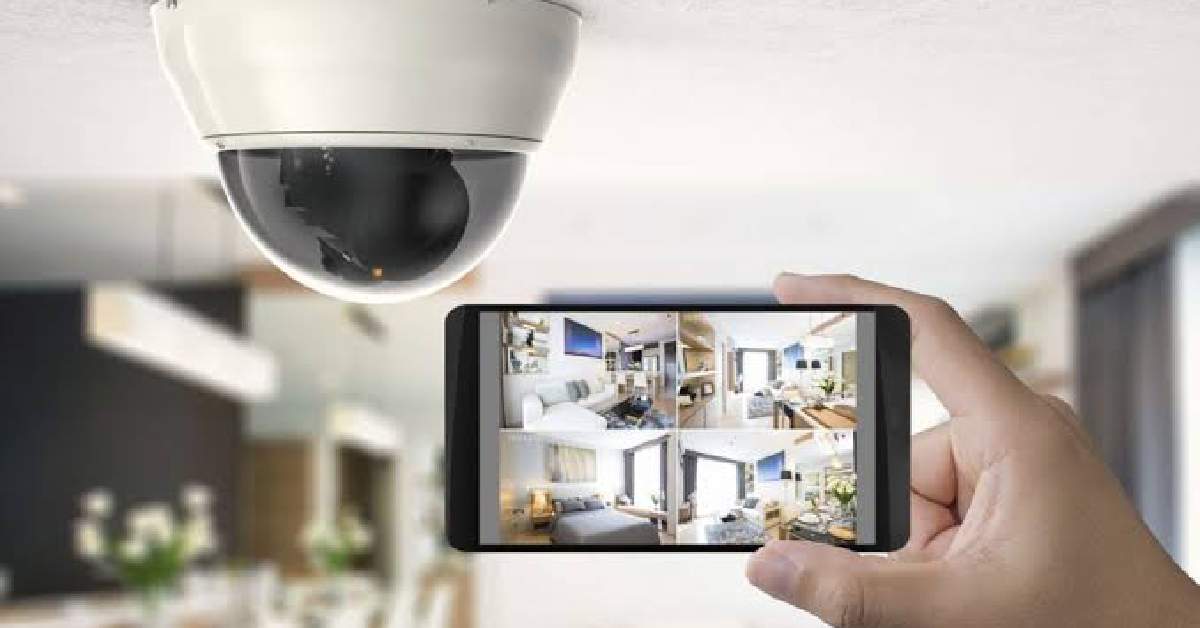
The union FOA, which organizes social- and health-care staff, released the survey of its members in the social and health sector on Friday. TV 2 reports that the monitoring includes fixed cameras, audio recorders in relatives’ pockets and mobile phones filming staff as they work.
According to FOA’s press release, distributed by Ritzau, the figure is four in ten among home-care staff specifically. Across social- and health-care employees more broadly, 22 percent said they had been monitored in connection with their work.
Relatives behind seven in ten cases
The workers surveyed point mainly to families. Relatives were behind the monitoring in seven out of ten cases, while the person receiving care accounted for 35 percent and employers for 8 percent, per FOA’s release.
Tanja Nielsen, chair of FOA’s social and health sector, describes the numbers as a sign of mistrust toward staff. As reported by TV 2, she says monitoring used to check employees creates a poor working environment, where staff fear making mistakes or ending up on television.
Nielsen also gives examples from the survey. Some staff have had relatives comment on their work through a microphone from another room, and others have been filmed at close range during toilet visits. The release was also carried the same day by NordsøPosten.
Union wants consent rules and cameras switched off
About four in ten of the monitored workers said they did not know at the time that they were being recorded. Nielsen calls covert recording a total no-go, and notes that it is harder to spot when it happens via phones, watches or glasses.
FOA wants clearer guidelines. Nielsen proposes removing the right to film someone performing their job without first obtaining consent, and suggests that home video surveillance be switched off when a care worker arrives.
Monitoring in the care sector has drawn attention since the TV 2 documentary “Plejehjemmet bag facaden” in 2020, which showed Else Marie Larsen being neglected at the Kongsgården nursing home in Aarhus. Her family had fought for three years to prove the neglect before using a hidden camera. Nielsen says she sees a clear rise in members being challenged by monitoring.
FOA measured a related figure in 2021, when one in seven eldercare staff reported having been monitored, with relatives behind three in four cases. That survey covered eldercare broadly rather than home care alone, so the two sets of numbers are not directly comparable.
What the survey means for internationals in eldercare and families using home care
Hjemmeplejen is the municipal home-care service that sends staff into private homes to help with washing, dressing, medication and meals. Many of these jobs are held by internationals, and FOA is the union that negotiates their pay and conditions. If this is your field, your workplace rights questions about filming normally go first to your employer and then to your union representative.
The legal picture is not fully settled in the available sources. FOA’s release states that staff must be informed in advance, including by signs in clients’ homes. A practice overview of the Danish TV surveillance act, by contrast, says the act applies to remotely operated or automatic equipment, which leaves cameras operated by hand in a less clear position. FOA’s call is precisely for clearer rules, so no new rule exists today.
For internationals whose parent or spouse receives home care, the survey matters in practice. It shows that filming care visits is common, that staff often do not know it is happening, and that the union now wants consent before recording. Whether rules change is a political question that has not been decided, and no ministry response appears in the sources reporting the survey.