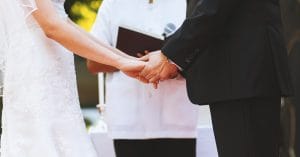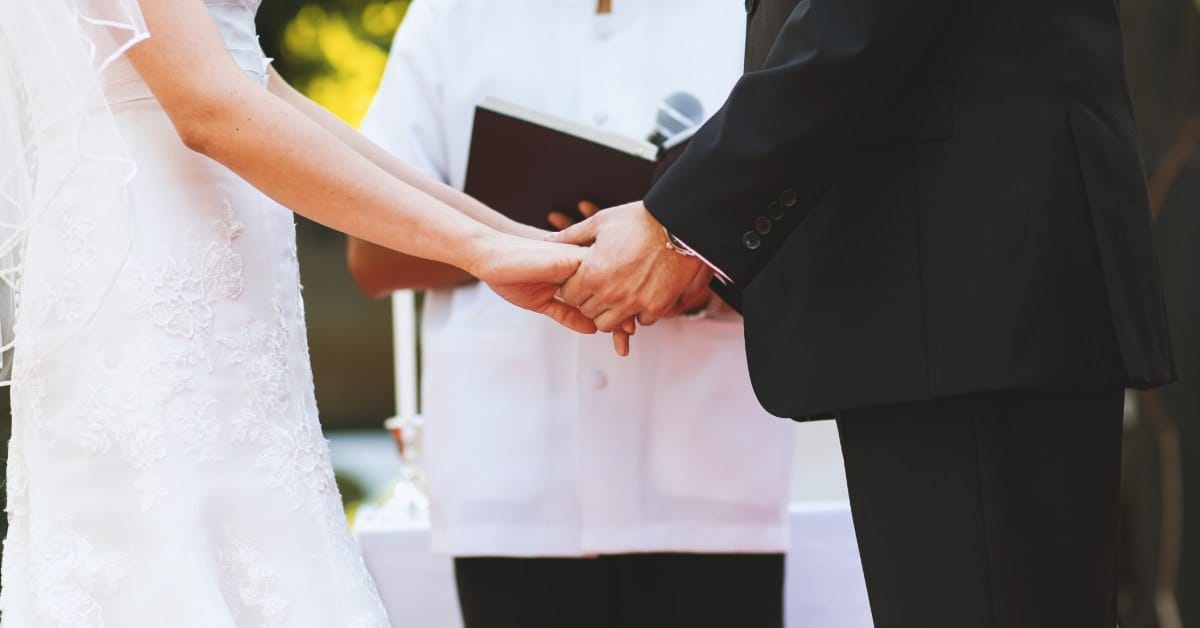
Several Danish mayors are asking the Folketing to change the law so municipalities can charge a fee for conducting weddings, after a sharp rise in the number of foreign couples marrying in Denmark.
Municipalities are not allowed to charge anything for the marriage ceremony itself under current rules. DR reports that this leaves town halls covering a growing bill from their own budgets, as more foreign couples travel to Denmark to get married.
In Stevns Municipality, slightly more than 1,000 marriages involving foreign couples were performed in 2025 alone. Mayor Anette Mortensen of Venstre told DR that weddings carry real costs, and that the money has to be found inside the municipal budget.
Why mayors say taxpayers are covering the bill
The Danish Agency of Family Law, Familieretshuset, charges DKK 2,100 to process an application for a certificate of marital status, known as a prøvelsesattest. Municipalities receive no payment for the casework, identity checks and ceremony that follow, according to DR’s reporting.
Ringsted is also feeling the wedding boom. The number of marriages involving foreign couples there has risen by 150 percent this year compared with the same period last year. Mayor Andreas Karlsen of the Conservative People’s Party said the Folketing should allow municipalities to charge a small fee.
Per Karlsen, the expense grows in step with the number of weddings. He argued that a modest fee would mean taxpayers no longer pay the bill for weddings of foreign couples.
Business group warns municipalities may close their doors
The business organization Dansk Erhverv also backs a wedding fee. Industry director Lars Ramme Nielsen told DR that without a fee, municipalities risk capping how many foreign couples they handle, pushing some couples to marry elsewhere.
DR notes there are already examples of municipalities closing their town hall doors to foreign couples. Dansk Erhverv estimates that international wedding tourism in Denmark generates at least DKK 233 million in annual turnover.
Ramme Nielsen said agencies specializing in helping foreign couples report a high willingness to pay. As he put it, most people who have attended a wedding know that couples spend money on the day.
Rasmus Clarck Sørensen, director of the agency Getting Married in Denmark, told DR that Denmark attracts couples because marrying here is often faster and simpler. He described a group of people caught in a gray zone in many European countries, where paperwork makes the process difficult rather than illegal.
One couple, Vasundhara Devi Myakala and Milan Bjelakovic from Leipzig in Germany, married at the town hall in Store Heddinge. According to Myakala, they needed many documents from India, and the Danish process looked far easier. She said they came for speed, not because it was cheap, and would have been willing to pay a fee.
Social Affairs Minister Monika Rubin of the Moderates was not available for an interview. She wrote to DR that she understands municipalities’ concern about rising administrative costs and wants to look at the issue, starting by hearing from both large and small municipalities.
What the fee debate means for foreign couples marrying in Denmark
Couples marrying in Denmark apply to Familieretshuset for a prøvelsesattest, the certificate confirming they may legally marry. That application costs DKK 2,100 when at least one partner is not a Danish resident, while the municipality handles identity checks and the ceremony without charging. Questions about residence or immigration status fall under separate rules and authorities.
For now, no fee for the ceremony exists, and no bill has been presented. The practical risk flagged by Dansk Erhverv is availability, since some municipalities have already stopped taking bookings from foreign couples, which affects where civil weddings for foreigners can be held. The minister has only said she will consult municipalities, so any change to the law remains undecided.