Jehovah’s Witnesses have told members they may now personally decide whether to accept donated blood components, a change a senior Rigshospitalet doctor says will save lives in Denmark.
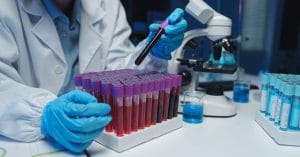
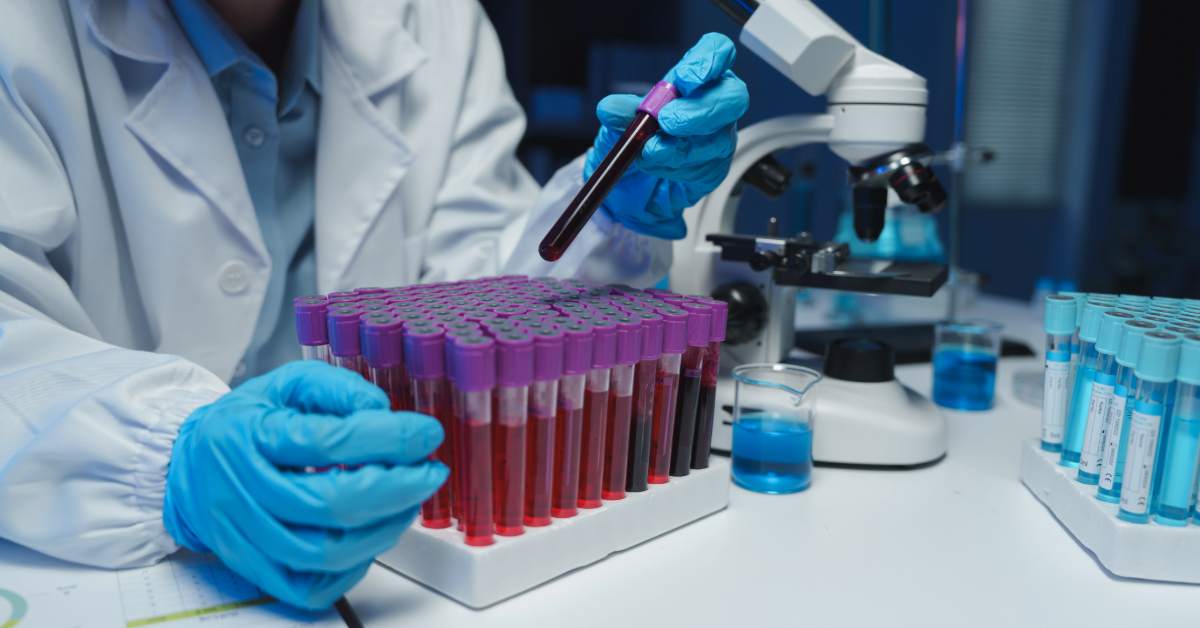
DR reports that the religious group has shifted its position so members can receive plasma, platelets and red and white blood cells. Jakob Stensballe, senior consultant at Rigshospitalet’s Trauma Center and professor at the University of Copenhagen, told DR the change will save lives.
According to Stensballe, hospitals will now be able to offer more and more advanced treatments to patients who previously refused transfusions because they were Jehovah’s Witnesses. He noted that Danish hospitals already give transfusions using these individual blood components rather than whole blood.

Geoffrey W. Jackson, a member of the group’s Governing Body in the United States, cited Paul’s letter to the Galatians in the New Testament. Per Jackson, the Governing Body decided after prayer that the same principle of personal responsibility applies to the four main components of blood taken from another person.
What the announcement covers
The organization published the decision on September 18, 2026, in a statement on its official website. It states that acceptance of red cells, white cells, plasma and platelets is now a matter of individual conscience, and that members may also decide whether to donate blood for producing components for another person.
The long-standing refusal of whole-blood transfusions remains unchanged. BBC reports that the policy also permits use of a member’s own blood in some medical situations. Humanists UK has also stressed that the change does not allow full-blood transfusions.
Stensballe said it is not known how many members in Denmark have died over the years after refusing transfusions for planned surgery. He described it as extremely rare, but said some patients suffer kidney or other organ damage, and that patients have died or suffered brain damage.

As reported by DR, Danish doctors today respect a refusal of transfusion ahead of planned operations, where the consequences can be discussed with the patient in advance. In acute situations, for example if a patient is unconscious, doctors decide on the patient’s behalf because the law obliges them to treat.
DR notes that a ruling from the European Court of Human Rights established that this does not violate a patient’s freedom of religion. Treatments affected by a refusal can include cancer care and open heart surgery, according to Stensballe.

Susanne Benderfeldt, a former member who left the group at 40 and now helps others who break away, told DR’s P1 Morgen that the shift is due to outside pressure. She said the organization has faced heavy pressure in Scandinavia, Australia and the United States over basic human rights.
Benderfeldt said she signed documents refusing transfusion during two births, fearing she would lose her family and be expelled. She does not consider the group to be softening. DR said it has so far been unable to obtain comment from the group’s Danish headquarters.