Food prices in Denmark fell for a fourth month in a row in August, the longest run of declines since 2018.
Groceries were on average 1.7 percent cheaper in August 2026 than in the same month a year earlier. DR reports that it was the fourth consecutive month of falling year-on-year food prices. A streak of that length has not been seen since 2018.
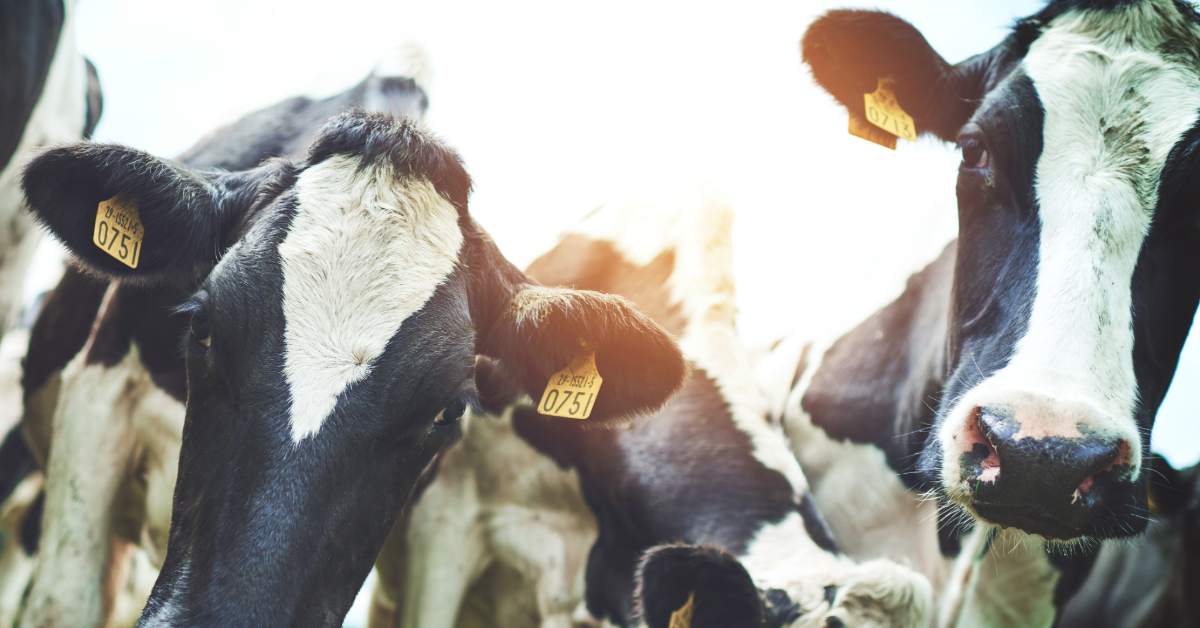
The declines are concentrated in a few categories. Dairy products, meat and pasta have fallen between 5 and 17 percent since August 2025. Oils and flour have also become noticeably cheaper over the past year.

Not every item is getting cheaper. Prices on eggs, fish, fruit and vegetables have risen over the same period, according to DR.
Fourteen years of increases in 19 months
The recent falls follow a steep climb. From December 2021 to July 2023, a trip to the supermarket became 24 percent more expensive on average in Denmark. That equaled the price increases of the previous 14 years, compressed into about a year and a half.
DR notes that the pandemic and Russia’s invasion of Ukraine each fed the increases. Prices kept rising until the summer of 2025, though at a slower pace.
Tax minister called before committee
Food inflation has been a political topic in Denmark for several years. The Folketing’s Tax Committee has summoned Tax Minister Jakob Engel-Schmidt (M) to an open consultation next week. Per DR, a reduction of VAT on food is under preparation.
Overall inflation in Denmark stood at 2 percent in August. That is the highest rate recorded so far in 2026, despite the fall in food prices.
The main driver is fuel for both transport and heating, which is rising quickly. DR points to the United States’ attack on Iran and Iran’s blocking of the Strait of Hormuz. Both have pushed energy prices up on world markets.

The effect is visible at gas stations and in home heating bills. If energy prices stay high, food prices could rise again, because moving goods by sea and by road becomes more expensive.

Higher inflation is also being recorded outside Denmark. As reported by DR, that is a significant factor behind expectations that the European Central Bank, and then Nationalbanken, will raise interest rates later today.