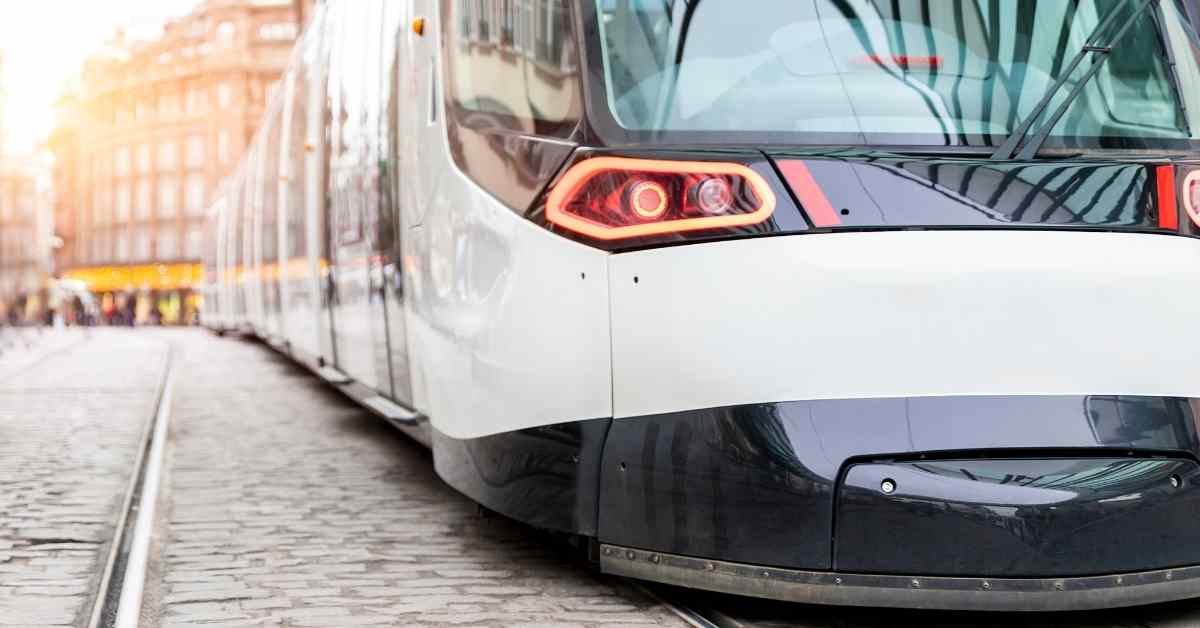
Copenhagen’s Ring 3 light rail finally reached Herlev Hospital today after years of delays, giving patients and staff a direct transit link but closing the book on a project once promised years earlier.
The full opening of Hovedstadens Letbane between Ishøj and Lundtofte happened on August 22, 2026. The station at Herlev Hospital is now operational, marking the end of construction that rattled local roads for years. Region Hovedstaden celebrated with ice cream, a children’s teddy bear hospital, and live ultrasound demonstrations outside the main entrance.
Regional council chair Lars Gaardhøj called it a historic day. He said the light rail would transform cross-regional transit for generations. For hospital patients, relatives, and staff, it means a new way to reach one of the capital region’s major hospitals without hunting for parking or fighting Ring 3 traffic.
A Project That Took Longer Than Promised
This opening comes after a timeline that kept shifting. The light rail was originally expected to be finished around 2024, with some early planning materials pointing to as early as 2020. Instead, the full northern section only opened now, in mid 2026. Herlev Municipality pushed hard for an earlier partial opening to the hospital, but the light rail company said it was technically impossible without delaying the entire northern stretch further.

Local news outlet Hele Herlev reported that the company cited a lack of suitable turning tracks beyond the hospital station. Changing the phasing would have added both time and cost. That decision frustrated local officials who wanted faster access for one of the region’s busiest public institutions.
What the Numbers Say
The light rail runs 28 kilometers with 28 stations, linking eleven municipalities along Ring 3. Trains can carry up to 260 passengers each. Service runs every five minutes during weekday and Saturday daytime hours, every ten minutes evenings and Sundays. Six stations offer direct transfers to S-trains.
An EY audit previously found that each month of delay cost around 9 million kroner, with total construction risk exposure estimated near 410 million kroner. Those figures help explain why the project became politically sensitive. When multiple governments share funding, even small slips in schedule trigger cascading costs in contracts, testing, and project management.
The opening also meant the end of certain bus routes. Lines like 300S and 30E were planned for closure or rerouting once the light rail took over. For some riders, that trade may feel like progress. For others with short trips or mobility challenges, the shift from bus to rail changes the entire journey.
Why Herlev Hospital Matters
Hospitals are not ordinary transit destinations. Patients, visitors, and thousands of daily staff need predictable, accessible connections. The new station sits directly at the hospital’s front door on Herlev Ringvej. That’s a real improvement over the old bus setup, especially during rush hours or bad weather.
But it also raises questions about who benefits most. Longer commutes from DTU or southern suburbs now get high-capacity rail service. Shorter local trips lose some of the flexibility buses offered. I’ve watched enough Danish infrastructure debates to know that rail projects often deliver uneven gains across different user groups.
A Milestone With Asterisks
This is undeniably a big moment for the capital region. The light rail connects hospitals, universities, workplaces, and residential areas in a way buses never could at this scale. By 2032, more than 35,000 new jobs and 30,000 new residents are expected along the route.
Yet the project’s troubled timeline casts a shadow. Delays, budget pressures, and local frustration were constant themes. The fact that Herlev had to wait until the very end, despite being a major anchor point, speaks to the rigidity of large infrastructure projects. When technical and financial logic override local needs, even justified decisions feel like broken promises.
As an expat who has followed Danish transit debates for years, I recognize the pattern. Denmark builds quality infrastructure, but it rarely builds it fast. The light rail will likely prove its worth over decades, not months. For now, though, today’s celebration is also a reminder of how long it took to get here.
What Happens Next
The stations at Herlev and Glostrup hospitals are now part of the daily transit network. Passengers can travel the full Ring 3 loop or transfer to S-trains at six points. Construction fences are coming down. Normal traffic patterns are returning. For the thousands who use these hospitals every week, the light rail is now just part of the commute.
Whether it was worth the wait depends on who you ask. But the trains are running, and that’s more than could be said for most of the past decade.
Sources and References
The Danish Dream: New Copenhagen Light Rail Opens, Boosting Regional Transit
The Danish Dream: Copenhagen Light Rail Chaos: 18 Crashes in Months
The Danish Dream: Copenhagen’s Ring 3 Light Rail Hits 1M Riders
Ritzau: Region Hovedstaden fejrer letbaneåbning ved Herlev Hospital