Danish farmers are mobilizing for a mass demonstration at Christiansborg on September 1st, claiming new nitrogen regulations will force more than half of them out of business. The protest marks a sharp escalation in a years-long conflict over how much Denmark’s agricultural sector must shrink to meet climate targets.
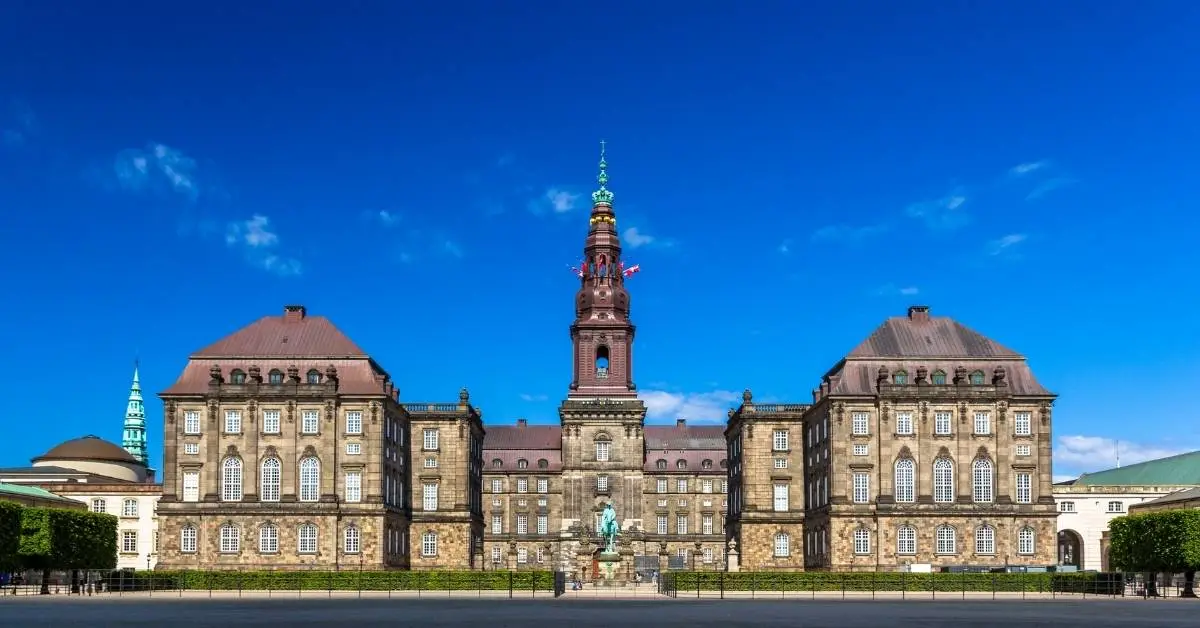
Bæredygtigt Landbrug is calling farmers and agricultural workers to gather at Christiansborg Slotsplads at 9:30 am when parliament holds its second reading of new fertilizer legislation. Buses will collect protesters from across the country. The group claims nitrogen regulations introduced in July will devastate 65 percent of Denmark’s cultivated land, removing the foundation for current food production on large areas.
What the Fight Is Really About
This protest is not just about fertilizer rules. It is the visible front of a broader, messier conflict over Denmark’s climate ambitions. For years, successive governments have debated whether to impose a direct price on agricultural emissions, similar to carbon taxes in other sectors.
The Svarer expert group presented three climate tax models in February 2024. The highest model, at 750 kroner per ton of CO2 equivalent, became the benchmark for treating agriculture like other industries. DR reported that this model could cut Danish agricultural emissions by 3.2 million tons by 2030. But 20 to 44 percent of those reductions might simply shift abroad through leakage, with production moving to countries with weaker climate rules.
Niels Hauge Mikkelsen, chairman of Bæredygtigt Landbrug, says politicians are ignoring consequences. “We have presented facts and specific calculations from farms showing the far-reaching consequences,” he told reporters. “Politicians have not listened. That is why we are now present when they make a decision that hollows out Danish food production with open eyes.”
The Numbers Behind the Anger
The strongest tax model DR analyzed could reduce Denmark’s cattle sector by around 20 percent. Even with revenue recycled back to farmers, the sector could still lose roughly 8 percent of income. That explains why a political compromise has not settled the dispute.

I have watched this conflict simmer for years. What strikes me now is how little trust remains between the sector and Christiansborg. Farmers feel betrayed by a green tripartite process they say was built on shaky technical foundations. Climate experts counter that voluntary measures will never be enough to meet 2030 targets.
Lars Gårn Hansen from the Economic Council told DR the government’s proposal would fall short. Klimarådet argued that some agricultural production must change structurally, not just become more efficient. The logic is clear: incremental improvements will not close the gap.
The Leakage Problem
The strongest technical counterargument against a Danish-only climate tax is leakage. If Danish farmers cut production but foreign competitors fill the gap, global emissions may barely budge. Michael Svarer has acknowledged that an EU-wide system could eventually replace a Danish solution, but Europe is not moving fast enough for Denmark’s timeline.

This puts Denmark in a bind. Acting alone risks pushing production across borders. Waiting for Brussels risks missing climate deadlines. Neither option is clean.
Why This Matters for Expats
If you live in Denmark, this is not an abstract rural issue. Danish agriculture is a major export sector and a source of national identity. A sharp contraction would ripple through rural communities, suppliers, and food prices. It would also test Denmark’s self-image as a country that can lead on climate without sacrificing economic muscle.

The protest on September 1st will be a test of political will. Parliament can push ahead with regulations that farmers say will break them. Or it can pause and reopen a process that has already dragged on for years. Neither path looks easy.
What I know from covering Denmark is that policy here often moves in sudden jumps after long stalemates. The question now is whether this protest becomes a turning point or just another milestone in a conflict that neither side knows how to end.
Sources and References
The Danish Dream: Christiansborg: The Heart of Danish Monarchy and Democracy
The Danish Dream: Messerschmidt Regrets Christiansborg Tour for Pro-Russian Leader
The Danish Dream: DF Leader Criticized for Christiansborg Tour of Pro-Russia Politician
Ritzau: Staten fyrer halvdelen af danske landmænd: Nu samler landbruget sig foran Christiansborg