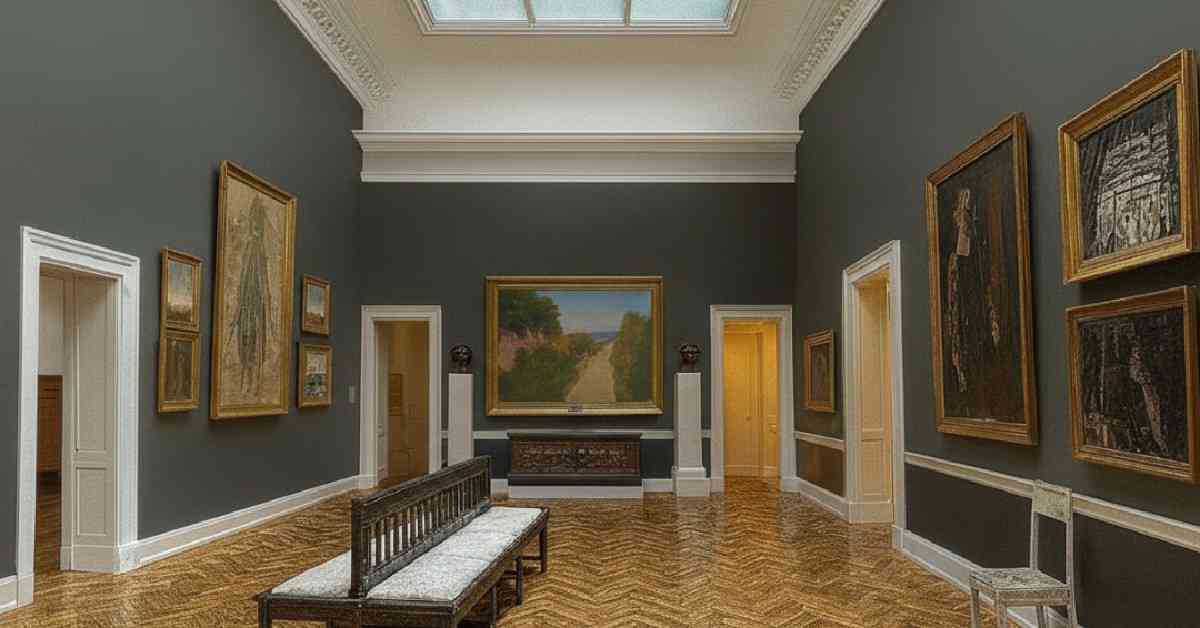
Four Renaissance works attributed to Antonello da Messina were stolen from a regional museum in Messina, Sicily, on the night of August 15. Two of the panels were later found abandoned outside the building.
DR reports, citing the news agency AP, that the theft took place late Saturday at a museum in Messina, the artist’s hometown. The thieves took three of the five surviving panels from the San Gregorio Polyptych, dated 1473. They also removed a double-sided panel showing the Virgin Mary and the Christ child from an armored display case.
Museum director Marisa Mercurio told the news agency ANSA that the pieces include two of da Messina’s most important and best known works. According to her account, the museum is devastated, and the loss affects the city, the local community and the art world.
Reuters identifies the institution as the Museo Regionale Interdisciplinare di Messina, known as MuMe. Per Reuters, the stolen panels formed part of the only surviving work by the painter kept in his native city.

The Italian art publication Finestre sull’Arte reports that the intruders entered at around 21:50 on August 15. The museum was closed to the public on August 16 to allow forensic examinations and police work.
The same outlet later reported that two further panels, depicting Saint Benedict and Saint Gregory, were found abandoned outside the museum along Viale della Libertà. One polyptych panel and the double-sided tablet remain missing. Italy’s culture ministry described the four stolen works as being of extraordinary value, according to RTÉ.
Investigation and security questions
As reported by La Sicilia, the president of the Sicilian Region, Renato Schifani, called the theft a criminal act of exceptional gravity. He stated that the alarm and video surveillance systems functioned normally, and that recordings are being reviewed. Schifani also ordered an internal inspection of museum procedures and staff responsibilities.
Accounts of the security systems differ. AP reports that the thieves bypassed alarm and security systems to reach the galleries. Prosecutors and specialized art crime and forensic police units have opened an investigation, according to Caliber.az, citing Rai News. No official appraisal of the stolen works has been published.
Reuters notes that the break-in occurred on the night of August 15, the Italian national holiday Ferragosto. ArtDependence links the timing to Messina’s Processione della Vara, a large religious procession held in the city that evening.
DR notes that the Italian government bought a religious painting by da Messina, titled ‘Ecce Homo’, in March. The work was acquired for 112 million kroner at Sotheby’s in New York, a purchase that increased interest in the Renaissance painter. The artist was born around 1430, trained in Naples, and worked in Messina from 1457 until 1474.