Danish analysts say neither the United States nor Israel has achieved its aims in the war against Iran, which began with attacks on February 28. DR reports that President Donald Trump is now finding it hard to leave the war without it looking like a defeat.
According to DR, there was no clear plan for how the war should end when the two countries struck Iran on February 28. Iran responded with attacks on Washington’s Arab allies and by closing the Strait of Hormuz.
Rasmus Elling, an associate professor of Persian at the University of Copenhagen, told DR that the attackers probably expected the strikes to split the Iranian elite. He says they also counted on street mobilization, following the large protests in January. That assumption, per Elling, proved to be a fantasy.
Thousands of Iranians were killed during the anti-regime protests in January, which created fear of returning to the streets, Elling said. He added that the opposition lacked the organization to take power when the regime was at its weakest.

Above all, Elling told DR, Iranian patriotism was underestimated. Millions of Iranians hate the clerical rule, he said, but feel obliged to back the regime when the country is attacked from abroad. Trump’s threat to wipe out Iran as a civilization added fuel to that, according to Elling.

No regime change in Tehran
Hans Henrik Fafner, foreign editor at the online outlet POV, said the debate in Israel is that Prime Minister Benjamin Netanyahu has gained nothing from the war. There has been no regime change in Tehran, as he had promised Israelis, Fafner told DR. The Revolutionary Guard remains in place and may even have been radicalized.
Lone Dencker Wisborg, a former Danish ambassador to the United States and NATO, said it is unclear how far Trump’s closest advisers were involved in preparing the February attacks. She noted that he often acts on intuition rather than long analyses, and that he tends to act unpredictably under pressure.

The war has had major consequences for the world economy, partly because of the closure of the Strait of Hormuz. It has also hit Iranians hard, according to Elling. He said food prices have risen 35-fold since 2018, the middle class has collapsed, and 16 million people have fallen below the poverty line.
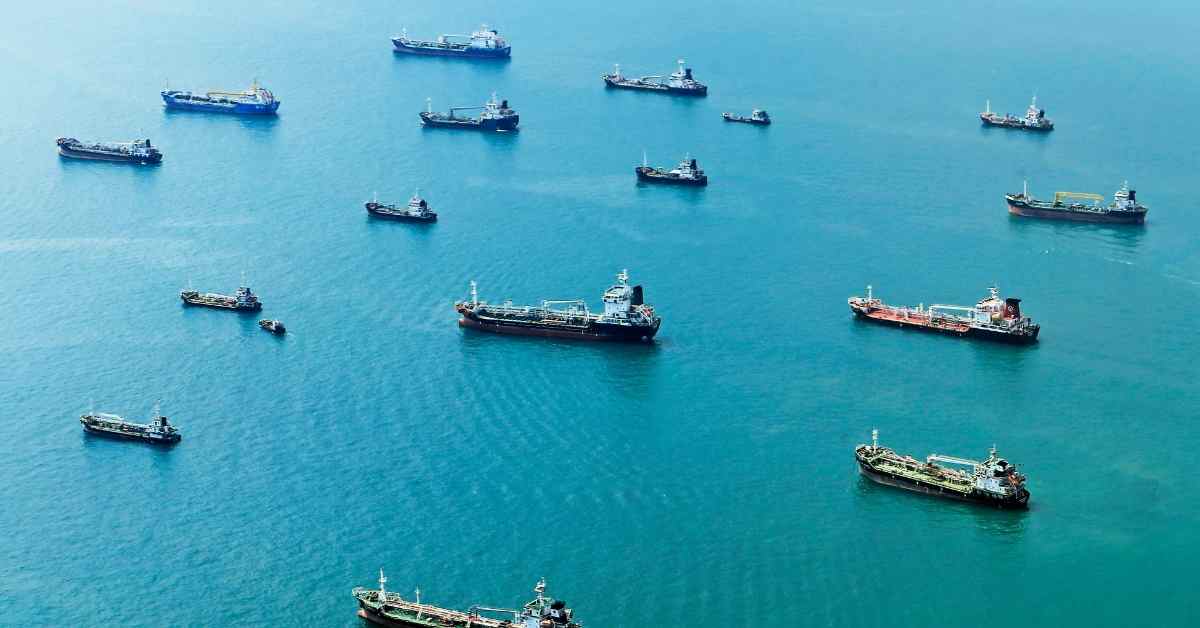
Other outlets have reported on the shipping standoff itself. B.T. reported that Iran’s Revolutionary Guard declared the strait fully closed until the American blockade of Iranian ports is lifted. Berlingske reported that Iran had again placed the strait under strict control because of the blockade.

The BBC reported that the strait remained closed during the standoff. It also stated that the American blockade was intended to restrict Tehran’s oil revenue and increase pressure on Iran.