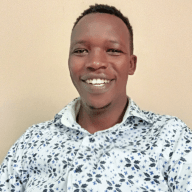
When commentator Henrik Qvortrup arrived at Bispebjerg Hospital with a swollen knee in late July, a nurse told him he might not survive the night. The warning reflected Danish legal duties around patient information but left him deeply shaken, exposing a tension at the heart of Denmark’s acute care system: how much fear should doctors and nurses share with terrified patients?
Qvortrup’s brush with necrotising fasciitis, a flesh-eating bacterial infection, brought him face to face with a disease that, based on Scandinavian incidence estimates of 2.9 cases per 100,000 inhabitants, affects roughly 1 in 35,000 people annually. The commentator praised the nurse who spotted the danger through the Capital Region‘s 1813 medical helpline and ordered an ambulance. But he also questioned the anaesthesiologist who, before emergency surgery, told him there was a real risk he would never wake up. That warning, Qvortrup said, continued to affect him weeks later.
For the thousands of internationals living around Copenhagen, the episode offers a crash course in how Denmark handles acute medical crises outside normal GP hours. According to Region Hovedstaden activity statistics, the 1813 helpline fielded 1,312,000 calls in 2023, up 8.9 percent from 1,205,000 in 2018. Nurses classified 41.3 percent of those calls as acute or urgent, yet only 26.8 percent of callers ended up admitted to hospital, illustrating how much triage and risk assessment happens before anyone reaches a hospital bed.

Sundhedsloven requires honesty about death
According to Sundhedsloven §16, clinicians must inform patients about relevant risks of serious complications, including death, even when the risk is small but the consequence is considerable. Amendments to Sundhedsloven adopted in 2019 clarified this obligation, with preparatory works explicitly mentioning anaesthesia and major surgery as examples. As stated by Styrelsen for Patientsikkerhed in its guidance on information and consent, truthful disclosure of life-threatening risks is a fundamental principle of Danish healthcare.
Health-law experts argue that omitting fatal outcomes from pre-operative discussions violates informed consent and exposes clinicians to liability. Anaesthesiologists insist transparent communication builds trust and avoids any impression of hiding information from patients or families. Yet psychologists specialising in post-intensive-care syndrome report that overly blunt warnings can contribute to trauma-like symptoms, especially when the patient is already in extreme pain and fear.
A rare infection with high stakes
Necrotising fasciitis remains extremely rare in Northern Europe. A Scandinavian multicentre cohort study reports Danish incidence at 2.9 cases per 100,000 inhabitants, slightly above Sweden at 2.4 and Norway at 2.0. Once infection takes hold, more than 90 percent of patients need at least one major surgical debridement, and 30-day mortality hovers around 21 percent in Denmark, according to the same study.

According to internal Capital Region audit data, structured triage protocols introduced around 2016 cut the median time from first 1813 contact to surgical incision from 7.8 hours to 4.2 hours for suspected necrotising soft-tissue infections. Qvortrup initially dismissed his knee swelling as a musculoskeletal problem, a common pattern that underscores why triage nurses are trained to spot atypical symptoms. The nurse who called him back was executing a protocol-driven risk escalation that can override a patient’s reluctance to seek care, mandating ambulance dispatch and surgical team alert even when the caller prefers to wait.
The expat angle: language and cultural shock
For internationals, none of this system is visible until they find themselves rating pain and mobility over the phone at night, or being told plainly that a situation may be life-threatening. English-speaking staff are available on 1813, though not guaranteed in every call. As noted in Danish Health Authority guidance, information must be adapted to linguistic skills and cultural background, recommending interpreters when a patient’s first language is not Danish. In practice, expats often encounter a direct Nordic communication style that can feel cold or alarming, undermining trust even when the content is medically accurate.
Research on perioperative communication indicates that explicit mention of death can significantly increase pre-operative anxiety, and ethicists question whether patients in acute distress can truly process detailed risk information. Clinicians and patient advocates continue to debate whether more tailored phrasing serves patients better than categorical statements such as “you might never wake up.”

What to do if it happens to you
Internationals can take specific steps to navigate the system. According to Region Hovedstaden, 1813, not 112, is the default number for non-trauma acute medical issues outside GP hours. Register with a GP and obtain a CPR number soon after arrival to ensure full access to public healthcare. International Citizen Service centres in Copenhagen and other cities help foreigners with this paperwork and explain how to reach acute care.
When facing surgery, patients overwhelmed by risk information can ask clinicians to focus on the most likely outcomes and to use a relative or interpreter to help process details. Hospitals offer patient advisory services that can later discuss whether communication was appropriate and, if necessary, help file a complaint or request psychological follow-up. Several Copenhagen-based counselling services and expat-focused legal consultancies offer help in English with understanding medical records, rights and compensation options.

According to Eurostat, Denmark spends roughly 10.4 percent of GDP on health, compared to 10.9 percent in Germany and 9.9 percent in Sweden. Qvortrup’s ordeal illustrates the core trade-off: a nurse’s vigilance and a surgeon’s skill saved his life, but the system still grapples with how much of the catastrophe to tell patients to their face.